 BUSINESSTECHNOLOGYMicrosoft Ignite 2026: Satya Nadella Puts AI Agents, Copilot and Enterprise Cloud at the Centre of Microsoft's Next Technology RevolutionFlipFileZone · Read Fullopen_in_new
AI Infrastructure Spending Explodes in 2026 as Big Tech Races to Build the Future of Computing
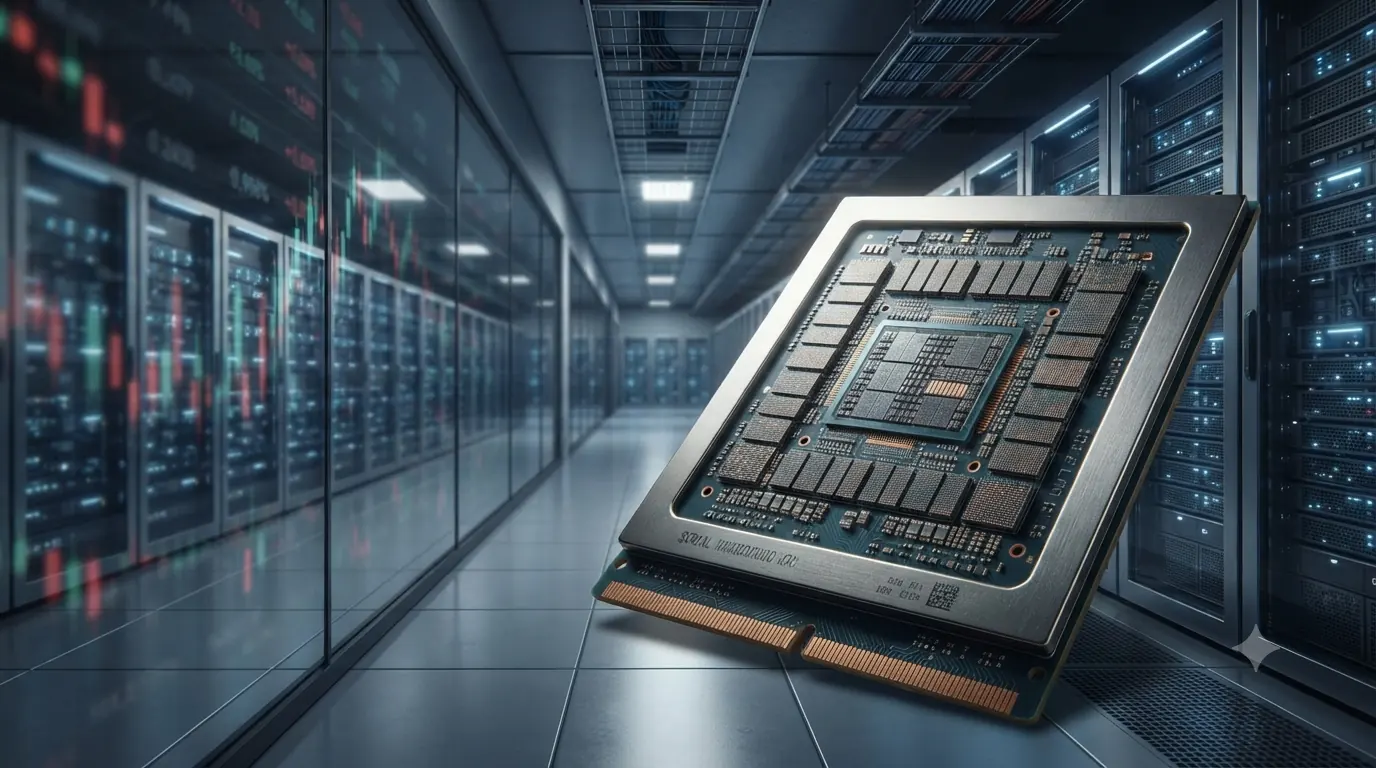
Global artificial intelligence infrastructure spending surged dramatically in 2026 as Microsoft, Google, Meta, Amazon, and other technology giants invested hundreds of billions into AI chips, cloud systems, and hyperscale data centers.
FlipFileZone · TECHNOLOGY
shareShare this post


AI Infrastructure Spending Explodes in 2026 as Big Tech Races to Build the Future of Computing
AI Infrastructure Spending Explodes in 2026 as Big Tech Races to Build the Future of Computing
The global technology industry entered a historic infrastructure expansion cycle in May 2026 as major companies including Microsoft, Google, Meta, Amazon, Nvidia, and OpenAI dramatically increased spending on artificial intelligence systems, hyperscale data centers, cloud infrastructure, networking hardware, and semiconductor supply chains.
Artificial intelligence is no longer simply a software revolution. It has rapidly evolved into one of the largest infrastructure races in modern economic history.
Technology companies are now spending unprecedented amounts of capital to secure GPUs, build AI-ready data centers, expand cloud computing capacity, strengthen energy partnerships, and deploy next-generation networking systems capable of supporting advanced AI workloads.
Analysts believe the scale of investment may rival or exceed previous technology infrastructure booms associated with the internet, smartphones, and cloud computing.
The reason is simple: artificial intelligence requires enormous computational power.
Training and operating frontier AI systems consumes massive amounts of GPU resources, electricity, cooling infrastructure, storage capacity, and networking bandwidth. As AI adoption accelerates globally, companies are racing to secure the physical infrastructure necessary to support future demand.
The result is a worldwide infrastructure arms race involving technology corporations, governments, semiconductor manufacturers, energy providers, cloud platforms, and data center operators.
The New Foundation of the Digital Economy
For decades, software dominated the technology conversation. Today, infrastructure has become equally important.
Modern artificial intelligence systems rely on enormous computational environments consisting of GPUs, specialized AI accelerators, advanced networking systems, and hyperscale cloud architecture.
Training frontier large language models requires thousands of high-performance chips operating continuously for weeks or even months.
Inference workloads serving millions of users create additional infrastructure pressure.
Every AI-generated response, image creation request, voice interaction, recommendation system, or autonomous workflow consumes compute resources somewhere inside a data center.
As AI usage expands, infrastructure demand continues increasing at extraordinary speed.
This transformation fundamentally changed investment priorities across the technology industry.
Companies now view AI infrastructure not simply as operational support, but as the foundation of future economic competitiveness.
The GPU Gold Rush
At the center of the infrastructure boom are GPUs.
Graphics processing units became essential for artificial intelligence because they can process parallel computations extremely efficiently. Modern machine learning systems depend heavily on this capability.
Nvidia emerged as the dominant supplier powering the AI revolution.
The company’s GPUs became critical infrastructure for cloud providers, AI startups, enterprise software firms, research organizations, and governments.
Demand exploded following the rise of generative AI.
Technology companies began purchasing enormous quantities of GPUs simultaneously, creating supply shortages across global markets.
Some organizations reportedly faced waiting periods lasting several months before receiving sufficient hardware for AI projects.
The shortage transformed advanced AI chips into one of the most strategically valuable resources in the global technology economy.
Cloud providers aggressively secured long-term semiconductor supply agreements while governments expanded investments into domestic chip manufacturing initiatives.
AI infrastructure became a national strategic priority.
The Rise of Hyperscale AI Data Centers
One of the biggest consequences of the AI boom is the explosive growth of hyperscale data centers.
Traditional cloud infrastructure was not originally designed for modern generative AI workloads. Frontier AI systems require significantly higher computational density, faster networking systems, advanced cooling architecture, and enormous electricity capacity.
As a result, technology companies are redesigning data centers around AI acceleration.
Massive AI facilities are now being constructed globally, often containing hundreds of thousands of GPUs connected through ultra-high-speed networking systems.
These data centers support AI model training, inference services, scientific simulations, enterprise automation, and next-generation cloud platforms.
The construction costs are enormous.
Companies are investing billions of dollars into land acquisition, energy infrastructure, fiber connectivity, cooling systems, semiconductor procurement, and advanced server architecture.
However, executives increasingly view these investments as essential for long-term survival in the AI economy.
Why Energy Became a Critical AI Resource
One of the most important and overlooked aspects of the AI infrastructure race is energy.
Artificial intelligence systems consume extraordinary amounts of electricity.
Training advanced AI models requires thousands of GPUs operating continuously at high power levels. Inference workloads supporting millions of users also create substantial ongoing energy demands.
As AI adoption expands, utility providers and governments are increasingly concerned about power grid capacity.
Technology companies are now competing not only for semiconductors and cloud infrastructure, but also for access to reliable energy resources.
Major cloud providers are signing long-term renewable energy agreements, investing in advanced cooling systems, and exploring new approaches to sustainable infrastructure management.
Some analysts believe energy availability may eventually become one of the primary constraints limiting future AI expansion.
The AI revolution is therefore creating ripple effects far beyond the software industry.
Electricity grids, energy policy, real estate development, and industrial planning are all being reshaped by AI infrastructure demand.
Microsoft, Google, Meta, and Amazon Compete Aggressively
The largest technology companies are now competing intensely to dominate the AI infrastructure market.
Microsoft continues expanding Azure AI infrastructure globally while integrating AI capabilities across Windows, Office, GitHub, and enterprise software products.
Google is investing heavily into Gemini infrastructure, Tensor Processing Units, cloud AI systems, and AI-powered search experiences.
Meta dramatically increased spending on AI data centers and open-source model development.
Amazon continues expanding AWS AI services while developing custom AI acceleration hardware designed to strengthen cloud infrastructure competitiveness.
The scale of spending is extraordinary.
Industry analysts estimate that combined AI infrastructure investment from major technology companies could reach hundreds of billions of dollars during 2026 alone.
These investments include semiconductors, networking systems, cooling infrastructure, renewable energy agreements, data center construction, and cloud architecture optimization.
The OpenAI Effect
Much of the current infrastructure explosion can be traced back to the success of generative AI systems such as ChatGPT.
When conversational AI achieved mainstream adoption, businesses quickly recognized the commercial potential of AI-powered automation, enterprise productivity tools, content generation systems, coding assistants, and digital workflows.
Demand for AI services accelerated almost immediately.
Companies across healthcare, finance, cybersecurity, logistics, retail, manufacturing, education, and media began integrating AI into products and operations.
This sudden surge in adoption created enormous infrastructure pressure.
Cloud providers raced to expand GPU availability while startups competed aggressively for compute access.
The result was one of the fastest infrastructure scaling cycles in technology history.
Semiconductors Become Strategic Assets
The AI boom also transformed semiconductors into critical geopolitical resources.
Advanced AI chips are increasingly viewed as strategically important assets capable of influencing economic competitiveness, military systems, cybersecurity capabilities, and scientific research.
The United States and China remain heavily engaged in a semiconductor rivalry involving export controls, AI hardware restrictions, and domestic chip manufacturing initiatives.
Governments worldwide are investing billions into semiconductor ecosystems designed to strengthen technological independence.
Meanwhile, Taiwan, South Korea, Japan, Europe, and the United States continue playing critical roles within global semiconductor supply chains.
The geopolitical importance of chips increased dramatically because of artificial intelligence.
Control over advanced compute infrastructure may help determine which countries lead future AI development.
The Networking Revolution
AI infrastructure depends on far more than GPUs alone.
Modern AI systems require ultra-fast networking capable of transferring massive quantities of data between processors with extremely low latency.
As AI models grow larger, networking architecture becomes increasingly important.
Companies are investing heavily into advanced fiber infrastructure, high-bandwidth switches, optical networking systems, and specialized interconnect technologies designed for AI workloads.
Networking firms are therefore benefiting significantly from the AI infrastructure boom.
The future of artificial intelligence may depend as much on networking efficiency as raw computational power.
The Financial Market Response
Investors remain highly optimistic about the long-term economic impact of artificial intelligence.
Technology stocks connected to AI infrastructure experienced enormous gains throughout 2025 and 2026.
Semiconductor companies, cloud providers, networking firms, data center operators, and energy infrastructure businesses all benefited from growing expectations surrounding AI demand.
Many analysts compare the current environment to previous technological revolutions such as the rise of the internet or mobile computing.
Others believe artificial intelligence could become even more economically transformative.
Consulting firms estimate AI could contribute trillions of dollars to the global economy through automation, productivity improvements, scientific discovery acceleration, and enterprise optimization.
This optimism continues driving aggressive investment into AI ecosystems worldwide.
The Risk of Overbuilding
Despite the excitement surrounding AI infrastructure, some analysts warn about potential risks.
Infrastructure expansion at the current scale is extremely expensive.
Companies are investing enormous amounts of capital into data centers, chips, energy systems, and cloud architecture.
If AI adoption grows more slowly than expected, some infrastructure investments may become difficult to justify financially.
There are also concerns surrounding energy sustainability, environmental impact, and market concentration.
A relatively small number of corporations currently control much of the global AI infrastructure ecosystem.
Governments and regulators are increasingly monitoring how infrastructure concentration could affect future competition and digital sovereignty.
Still, most technology leaders believe AI infrastructure demand will continue expanding rapidly over the next decade.
The Future of Computing
The AI infrastructure boom may ultimately reshape the architecture of global computing itself.
Artificial intelligence is increasingly becoming the core layer behind enterprise software, search systems, productivity tools, cybersecurity platforms, robotics, autonomous systems, and consumer applications.
This transition requires an entirely new generation of digital infrastructure.
Future computing environments may revolve around intelligent systems capable of understanding language, processing multimodal information, automating workflows, and operating continuously across cloud environments.
The companies capable of building and scaling these infrastructure ecosystems may dominate the next era of technology.
The race is already underway.
Conclusion
The explosion of AI infrastructure spending in 2026 represents one of the most important economic transformations of the modern technology era.
Artificial intelligence is no longer simply changing software products. It is reshaping global infrastructure, energy systems, semiconductor markets, cloud computing, and international competition simultaneously.
Technology companies are investing unprecedented amounts of money into GPUs, data centers, networking systems, and AI-ready cloud environments because they believe computational infrastructure will determine future market leadership.
The scale of investment rivals the biggest technology revolutions in modern history.
As AI adoption accelerates globally, the demand for compute resources may continue expanding for many years.
The future of the digital economy increasingly depends not only on algorithms and software, but also on the physical infrastructure powering artificial intelligence itself.
One thing is already becoming clear: the AI revolution is building a completely new foundation for the future of computing.
shareShare this post
recommendYou may also like
BUSINESSTECHNOLOGYMicrosoft Ignite 2026: Satya Nadella Puts AI Agents, Copilot and Enterprise Cloud at the Centre of Microsoft's Next Technology RevolutionFlipFileZone · Read Fullopen_in_new BUSINESSTECHNOLOGYChina Uses American AI Models to Train Domestic Rivals as US Chip Restrictions Intensify the Global Artificial Intelligence RaceFlipFileZone · Read Fullopen_in_new
 BUSINESSTECHNOLOGYNvidia Leadership Turmoil Raises Concerns Over AI Industry Financing as Investors Rethink the Future of the AI BoomFlipFileZone · Read Fullopen_in_new
 TECHNOLOGYGovernor Gulab Chand Kataria launches Shaheed Bhagat Singh Youth Facilitation Centre in LudhianaFlipFileZone · Read Fullopen_in_new
 TECHNOLOGYInstinct AI Assistant Secures $350M Funding, Hits $2.5B Valuation in Record TimeFlipFileZone · Read Fullopen_in_new
 TECHNOLOGYXiaomi Unveils Xring Chip with TSMC Partnership, Redefining Its Global Hardware StrategyFlipFileZone · Read Fullopen_in_new
 TECHNOLOGYApple’s AI‑Powered Camera AirPods Could Launch in 2026, Not 2027FlipFileZone · Read Fullopen_in_new
chatPost a comment
Comments
0