 BUSINESSTECHNOLOGYMicrosoft Ignite 2026: Satya Nadella Puts AI Agents, Copilot and Enterprise Cloud at the Centre of Microsoft's Next Technology RevolutionFlipFileZone · Read Fullopen_in_new
Astrobotic's Detonation Engine Breaks Ground
Astrobotic's rotating detonation rocket engine achieves 4,000 pounds of thrust in a groundbreaking test, paving the way for more efficient space travel to the Moon and Mars
FlipFileZone · TECHNOLOGY
shareShare this post






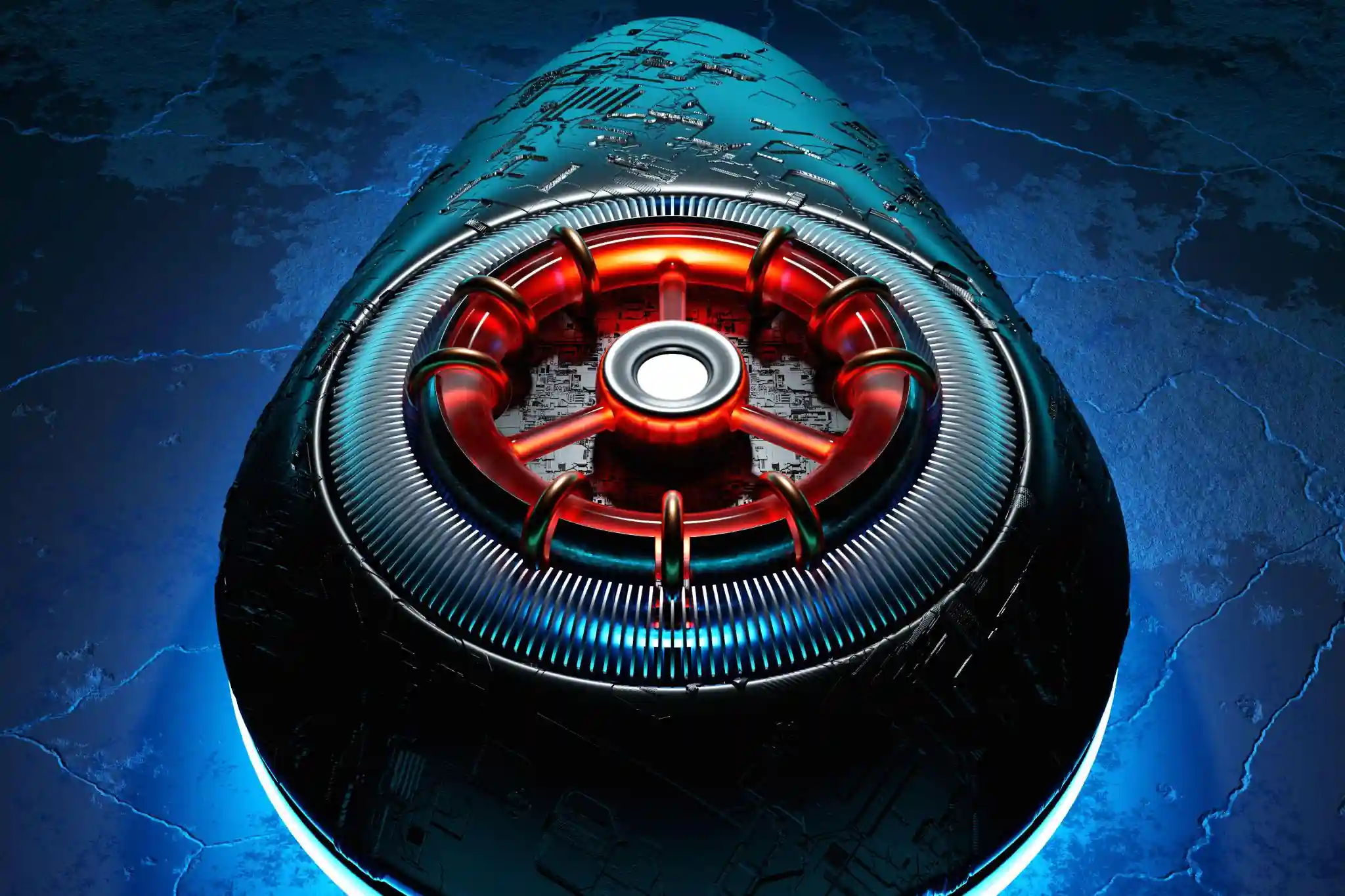
Astrobotic's Detonation Engine Breaks Ground
Astrobotic, a space startup, has successfully tested its rotating detonation rocket engine (RDRE), generating 4,000 pounds of thrust and bringing the private space industry closer to a more efficient propulsion system. The engine, named Chakram, uses supersonic combustion to produce thrust, making it a potentially groundbreaking technology for deep space missions.
The recent demonstration at NASA's Marshall Space Flight Center in Alabama consisted of a series of hot-fire tests on two engine prototypes, with each engine producing over 4,000 pounds of thrust for a combined 470 seconds of total runtime. The tests were conducted with support from two NASA Small Business Innovation Research awards and a Space Act Agreement with NASA Marshall.
How RDREs Work
RDREs produce thrust through a series of detonations that travel around a circular channel, combining highly pressurized propellant with an oxidizer inside a combustion chamber. This process creates shockwaves that propel the vehicle, making RDREs more efficient and compact compared to traditional rocket engines.
Astrobotic's Plans for RDRE Technology
Astrobotic, a self-proclaimed Moon company, is developing lunar landers for NASA's Commercial Lunar Payload Services (CLPS) program. The startup aims to use engines like Chakram to power its upcoming lunar landers, which could support a wide range of missions, from propulsion on future lunar landers to in-space orbital transfer vehicles.
The successful test of the RDRE engine is a significant milestone for Astrobotic, which became the first U.S. commercial company to launch a lander to the Moon in 2024. Although the Peregrine mission encountered a propulsion system anomaly, the company is moving forward with a follow-up mission to the lunar south pole, scheduled to launch later this year.
Implications for Space Travel
The development of RDRE technology could have far-reaching implications for space travel, enabling more efficient and compact propulsion systems for deep space missions. With the ability to generate high thrust while using less fuel, RDREs could play a crucial role in the exploration of the Moon, Mars, and beyond.
The successful test of Astrobotic's RDRE engine is a significant step forward for the private space industry, and the company's plans to use this technology in upcoming lunar landers could pave the way for a new era of space exploration.
tagTags
shareShare this post
recommendYou may also like
BUSINESSTECHNOLOGYMicrosoft Ignite 2026: Satya Nadella Puts AI Agents, Copilot and Enterprise Cloud at the Centre of Microsoft's Next Technology RevolutionFlipFileZone · Read Fullopen_in_new BUSINESSTECHNOLOGYChina Uses American AI Models to Train Domestic Rivals as US Chip Restrictions Intensify the Global Artificial Intelligence RaceFlipFileZone · Read Fullopen_in_new
 BUSINESSTECHNOLOGYNvidia Leadership Turmoil Raises Concerns Over AI Industry Financing as Investors Rethink the Future of the AI BoomFlipFileZone · Read Fullopen_in_new
 TECHNOLOGYGovernor Gulab Chand Kataria launches Shaheed Bhagat Singh Youth Facilitation Centre in LudhianaFlipFileZone · Read Fullopen_in_new
 TECHNOLOGYInstinct AI Assistant Secures $350M Funding, Hits $2.5B Valuation in Record TimeFlipFileZone · Read Fullopen_in_new
 TECHNOLOGYXiaomi Unveils Xring Chip with TSMC Partnership, Redefining Its Global Hardware StrategyFlipFileZone · Read Fullopen_in_new
 TECHNOLOGYApple’s AI‑Powered Camera AirPods Could Launch in 2026, Not 2027FlipFileZone · Read Fullopen_in_new
chatPost a comment
Comments
0