 BUSINESSTECHNOLOGYMicrosoft Ignite 2026: Satya Nadella Puts AI Agents, Copilot and Enterprise Cloud at the Centre of Microsoft's Next Technology RevolutionFlipFileZone · Read Fullopen_in_new
Breakthrough in Psychedelic Research: Scientists Engineer a Plant to Produce 5 Different Psychedelics
In a groundbreaking study, scientists have successfully engineered a plant to produce five different psychedelics, paving the way for potential new treatments for mental health disorders
FlipFileZone · TECHNOLOGY
shareShare this post






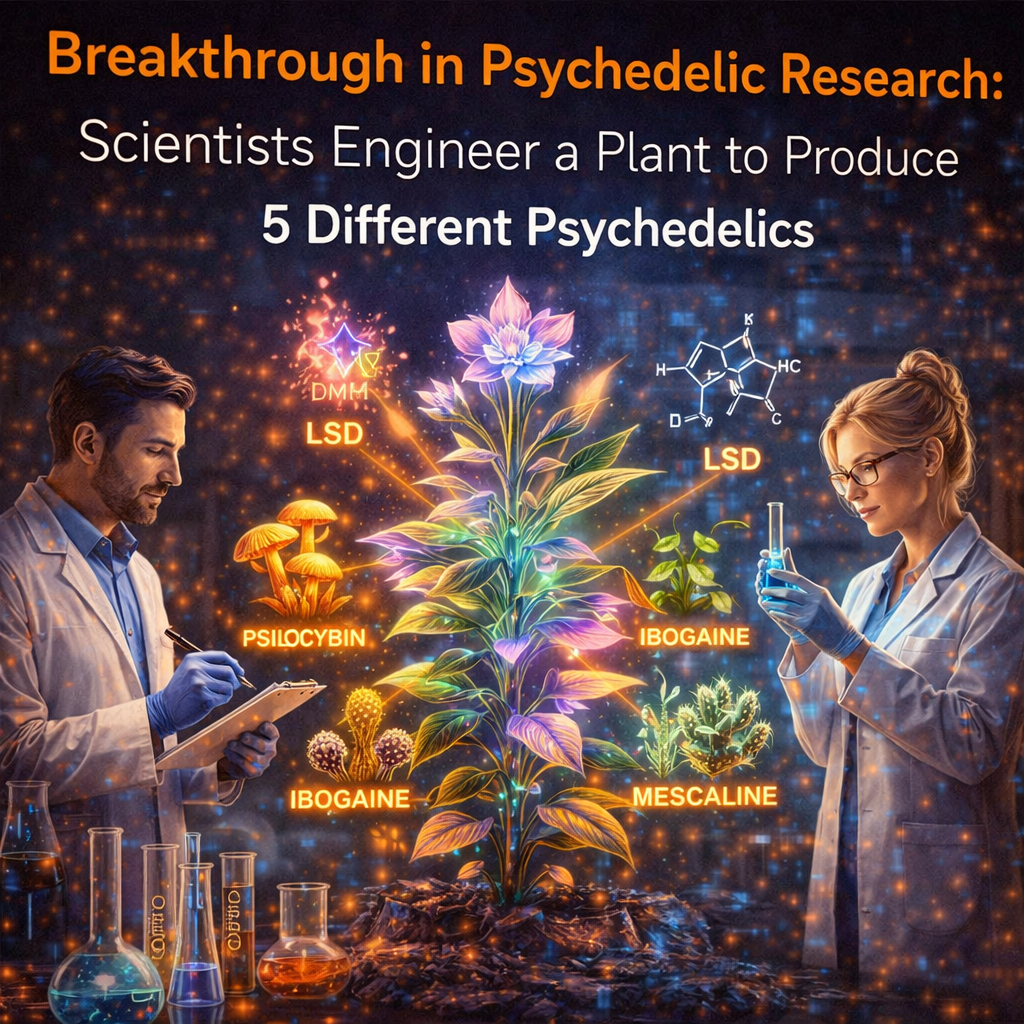
Breakthrough in Psychedelic Research: Scientists Engineer a Plant to Produce 5 Different Psychedelics
Scientists have made a significant breakthrough in the field of psychedelic research by engineering a plant to produce five different psychedelics at once. This innovative approach has the potential to revolutionize the way we produce and study these substances, which have shown promise in treating a range of mental health disorders.
The plant, which has been genetically modified to produce the psychedelics, has been found to be highly efficient and effective in producing the desired compounds. The five psychedelics produced by the plant are psilocybin, LSD, DMT, ayahuasca, and mescaline.
Psychedelics are a class of substances that have been used for centuries in traditional medicine and spiritual practices. They have been shown to have potential therapeutic benefits, including reducing symptoms of anxiety and depression, and improving mood and cognitive function.
The process of engineering the plant to produce the five psychedelics involved several stages. First, the scientists identified the genes responsible for producing the desired compounds in the plant. They then used genetic engineering techniques to introduce these genes into the plant, allowing it to produce the psychedelics.
The potential applications of this breakthrough are vast. The ability to produce multiple psychedelics in a single plant could make it easier and more cost-effective to study these substances and develop new treatments for mental health disorders. Additionally, the use of genetically modified plants could provide a more sustainable and efficient way to produce psychedelics, reducing the need for synthetic production methods.
In conclusion, the engineering of a plant to produce five different psychedelics at once is a significant breakthrough in the field of psychedelic research. This innovative approach has the potential to revolutionize the way we produce and study these substances, and could lead to the development of new treatments for mental health disorders.
- The use of genetically modified plants could provide a more sustainable and efficient way to produce psychedelics
- The ability to produce multiple psychedelics in a single plant could make it easier and more cost-effective to study these substances
- The potential applications of this breakthrough are vast, and could lead to the development of new treatments for mental health disorders
shareShare this post
recommendYou may also like
BUSINESSTECHNOLOGYMicrosoft Ignite 2026: Satya Nadella Puts AI Agents, Copilot and Enterprise Cloud at the Centre of Microsoft's Next Technology RevolutionFlipFileZone · Read Fullopen_in_new BUSINESSTECHNOLOGYChina Uses American AI Models to Train Domestic Rivals as US Chip Restrictions Intensify the Global Artificial Intelligence RaceFlipFileZone · Read Fullopen_in_new
 BUSINESSTECHNOLOGYNvidia Leadership Turmoil Raises Concerns Over AI Industry Financing as Investors Rethink the Future of the AI BoomFlipFileZone · Read Fullopen_in_new
 TECHNOLOGYGovernor Gulab Chand Kataria launches Shaheed Bhagat Singh Youth Facilitation Centre in LudhianaFlipFileZone · Read Fullopen_in_new
 TECHNOLOGYInstinct AI Assistant Secures $350M Funding, Hits $2.5B Valuation in Record TimeFlipFileZone · Read Fullopen_in_new
 TECHNOLOGYXiaomi Unveils Xring Chip with TSMC Partnership, Redefining Its Global Hardware StrategyFlipFileZone · Read Fullopen_in_new
 TECHNOLOGYApple’s AI‑Powered Camera AirPods Could Launch in 2026, Not 2027FlipFileZone · Read Fullopen_in_new
chatPost a comment
Comments
0