 BUSINESSTECHNOLOGYMicrosoft Ignite 2026: Satya Nadella Puts AI Agents, Copilot and Enterprise Cloud at the Centre of Microsoft's Next Technology RevolutionFlipFileZone · Read Fullopen_in_new
Canada's Fighter Jet Conundrum: A Shift Away from US Manufacturers?
Canada is considering a non-US fighter jet for its military, a decision that could have significant implications for the country's defense strategy and international relationships.
FlipFileZone · TECHNOLOGY
shareShare this post






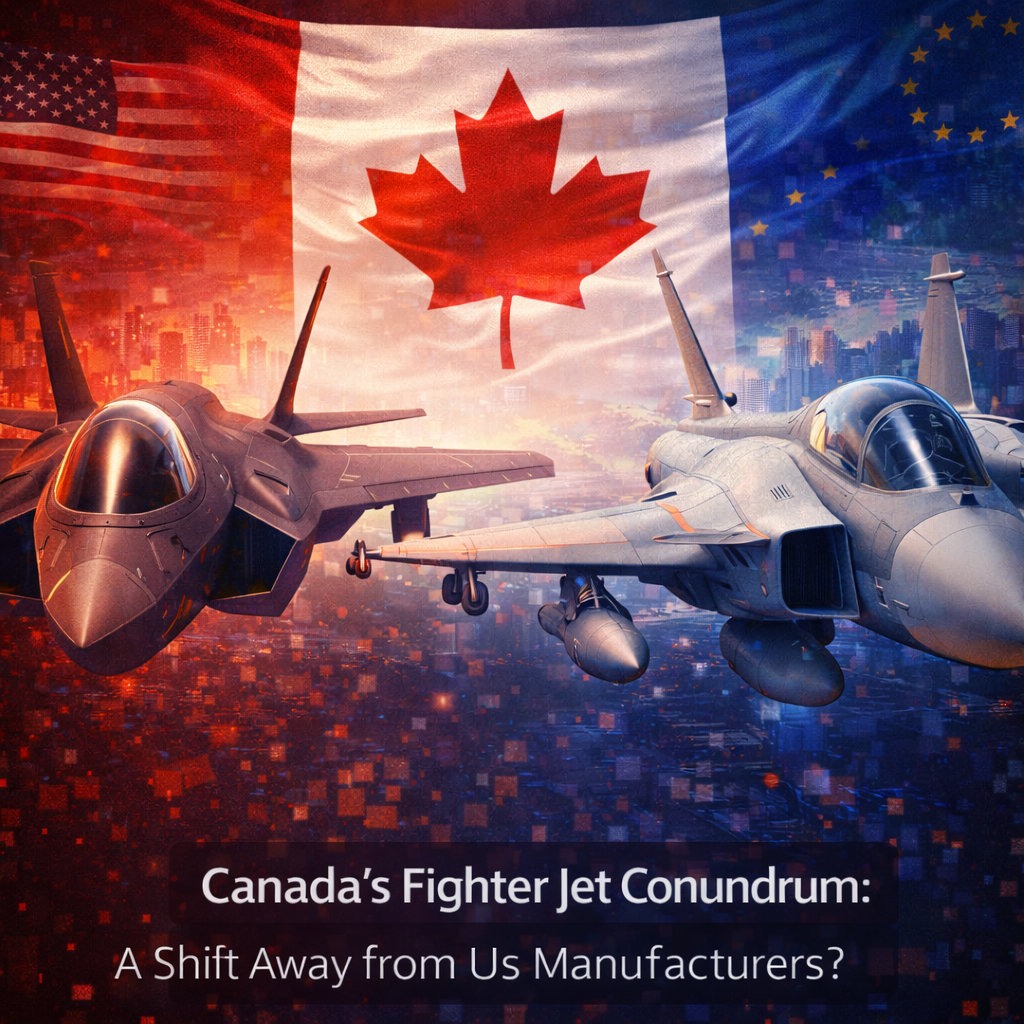
Canada's Fighter Jet Conundrum: A Shift Away from US Manufacturers?
For decades, Canada has relied on US-made fighter jets to defend its airspace. However, with the country's current fleet of CF-18s nearing the end of its lifespan, the Canadian government is faced with a crucial decision: which fighter jet to choose as its replacement.
Historically, Canada has opted for US-made fighter jets, but this time around, the country is considering a non-US option. This decision is driven by a number of factors, including cost, capability, and geopolitical considerations.
Background
The Canadian government has been evaluating various fighter jet options for several years, with the goal of replacing its aging CF-18 fleet. The process has been complex and contentious, with different manufacturers and countries vying for the contract.
One of the key considerations for the Canadian government is the cost of the new fighter jets. With a budget of billions of dollars, the government needs to ensure that it gets the best value for its money. This has led to a careful evaluation of the different options, including their operational costs, maintenance requirements, and lifecycle costs.
Options
There are several non-US fighter jet options that Canada is considering, including the Saab Gripen from Sweden and the Eurofighter Typhoon from Europe. These fighter jets have impressive capabilities and have been successfully deployed by other countries.
- The Saab Gripen is a highly advanced fighter jet with a strong track record of performance and reliability.
- The Eurofighter Typhoon is a highly capable fighter jet with advanced avionics and a strong reputation for air-to-air combat.
Both of these options have the potential to meet Canada's defense needs, and the government is carefully evaluating their capabilities and costs.
Implications
If Canada chooses a non-US fighter jet, it could have significant implications for the country's defense strategy and international relationships. A non-US fighter jet would give Canada more flexibility and autonomy in its defense decisions, allowing it to operate more independently of the US.
However, a non-US fighter jet could also create some challenges, including integration with US defense systems and potential impacts on Canada's relationship with its southern neighbor.
In conclusion, Canada's decision on which fighter jet to choose will have significant implications for the country's defense strategy and international relationships. While there are risks and challenges associated with choosing a non-US fighter jet, there are also potential benefits, including increased autonomy and flexibility.
shareShare this post
recommendYou may also like
BUSINESSTECHNOLOGYMicrosoft Ignite 2026: Satya Nadella Puts AI Agents, Copilot and Enterprise Cloud at the Centre of Microsoft's Next Technology RevolutionFlipFileZone · Read Fullopen_in_new BUSINESSTECHNOLOGYChina Uses American AI Models to Train Domestic Rivals as US Chip Restrictions Intensify the Global Artificial Intelligence RaceFlipFileZone · Read Fullopen_in_new
 BUSINESSTECHNOLOGYNvidia Leadership Turmoil Raises Concerns Over AI Industry Financing as Investors Rethink the Future of the AI BoomFlipFileZone · Read Fullopen_in_new
 TECHNOLOGYGovernor Gulab Chand Kataria launches Shaheed Bhagat Singh Youth Facilitation Centre in LudhianaFlipFileZone · Read Fullopen_in_new
 TECHNOLOGYInstinct AI Assistant Secures $350M Funding, Hits $2.5B Valuation in Record TimeFlipFileZone · Read Fullopen_in_new
 TECHNOLOGYXiaomi Unveils Xring Chip with TSMC Partnership, Redefining Its Global Hardware StrategyFlipFileZone · Read Fullopen_in_new
 TECHNOLOGYApple’s AI‑Powered Camera AirPods Could Launch in 2026, Not 2027FlipFileZone · Read Fullopen_in_new
chatPost a comment
Comments
0