 BUSINESSTECHNOLOGYMicrosoft Ignite 2026: Satya Nadella Puts AI Agents, Copilot and Enterprise Cloud at the Centre of Microsoft's Next Technology RevolutionFlipFileZone · Read Fullopen_in_new
China's Proposed Ban on Steering Yokes and Mandate for Physical Buttons
China considers banning steering yokes and requiring physical buttons for key car functions, a move that could impact the automotive industry globally
FlipFileZone · TECHNOLOGY
shareShare this post






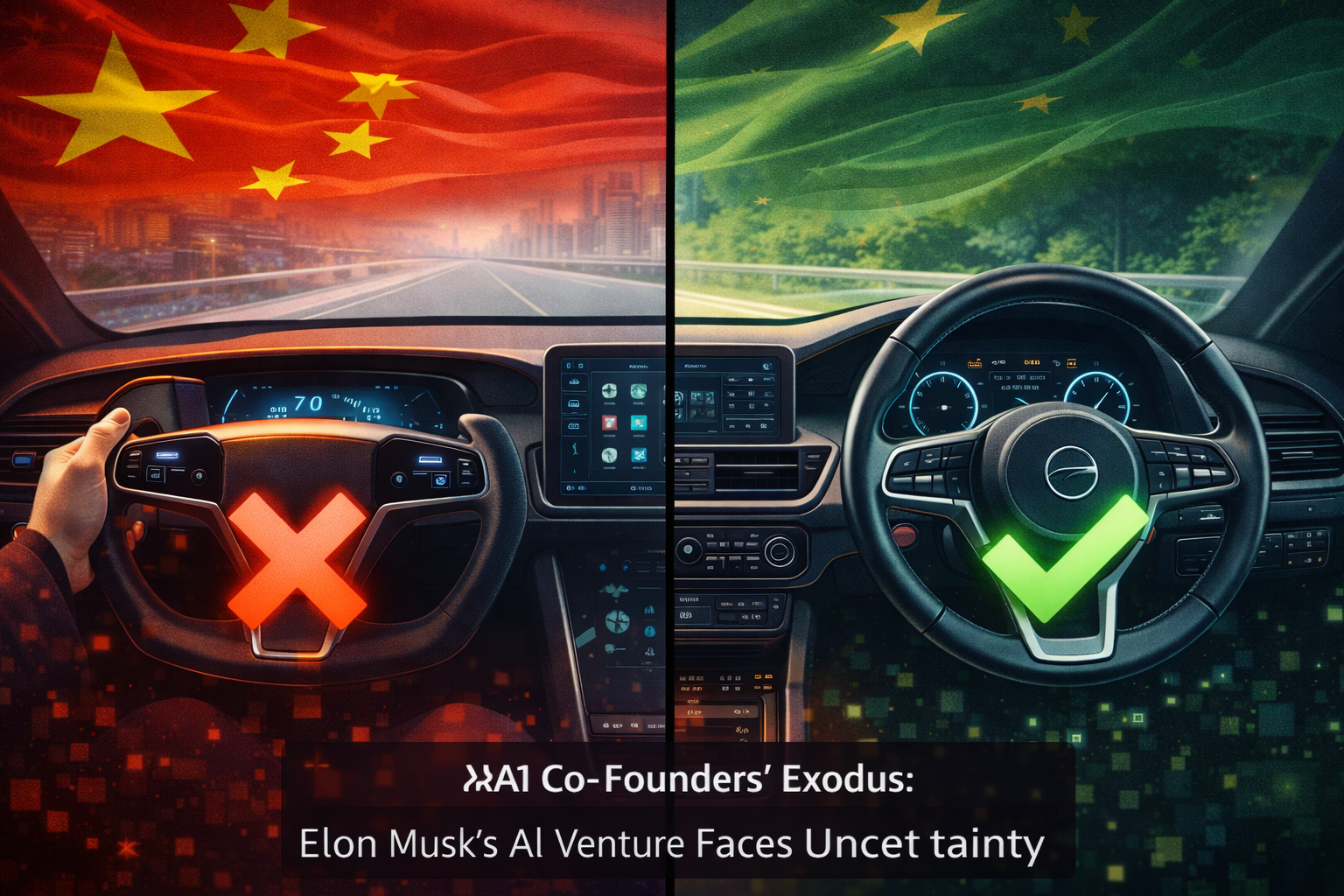
China's Proposed Ban on Steering Yokes and Mandate for Physical Buttons
China is considering a significant change to its automotive regulations, with a proposed ban on steering yokes and a mandate for physical buttons for key car functions. This move could have far-reaching implications for car manufacturers and the industry as a whole.
The proposed regulations would require all new cars sold in China to have physical buttons for functions such as the hazard lights, headlights, and windshield wipers. Additionally, the use of steering yokes, which have become increasingly popular in recent years, would be prohibited.
Background
The move is seen as an effort to improve safety on China's roads, with regulators citing concerns over the potential for driver distraction and accidents caused by touchscreens and other digital interfaces. The proposed regulations would apply to all new cars sold in China, including those manufactured by domestic and foreign companies.
Impact on the Industry
The proposed ban on steering yokes and mandate for physical buttons could have significant implications for car manufacturers, particularly those that have invested heavily in the development of digital interfaces and touchscreen systems. Companies such as Tesla, which has been at the forefront of the trend towards digital interfaces, may need to reconsider their design approach in order to comply with the new regulations.
- Car manufacturers may need to redesign their vehicles to incorporate physical buttons for key functions
- The ban on steering yokes could impact the development of autonomous vehicles, which often rely on digital interfaces
- The proposed regulations could lead to a shift towards more traditional design approaches, with a focus on physical controls and buttons
Global Implications
The proposed regulations in China could have global implications, as car manufacturers often design their vehicles with a global market in mind. Companies may need to develop different designs for different markets, which could add complexity and cost to the manufacturing process. Additionally, the move towards physical buttons and away from digital interfaces could influence design trends in other countries, as regulators and consumers increasingly prioritize safety and simplicity.
shareShare this post
recommendYou may also like
BUSINESSTECHNOLOGYMicrosoft Ignite 2026: Satya Nadella Puts AI Agents, Copilot and Enterprise Cloud at the Centre of Microsoft's Next Technology RevolutionFlipFileZone · Read Fullopen_in_new BUSINESSTECHNOLOGYChina Uses American AI Models to Train Domestic Rivals as US Chip Restrictions Intensify the Global Artificial Intelligence RaceFlipFileZone · Read Fullopen_in_new
 BUSINESSTECHNOLOGYNvidia Leadership Turmoil Raises Concerns Over AI Industry Financing as Investors Rethink the Future of the AI BoomFlipFileZone · Read Fullopen_in_new
 TECHNOLOGYGovernor Gulab Chand Kataria launches Shaheed Bhagat Singh Youth Facilitation Centre in LudhianaFlipFileZone · Read Fullopen_in_new
 TECHNOLOGYInstinct AI Assistant Secures $350M Funding, Hits $2.5B Valuation in Record TimeFlipFileZone · Read Fullopen_in_new
 TECHNOLOGYXiaomi Unveils Xring Chip with TSMC Partnership, Redefining Its Global Hardware StrategyFlipFileZone · Read Fullopen_in_new
 TECHNOLOGYApple’s AI‑Powered Camera AirPods Could Launch in 2026, Not 2027FlipFileZone · Read Fullopen_in_new
chatPost a comment
Comments
0