 BUSINESSTECHNOLOGYMicrosoft Ignite 2026: Satya Nadella Puts AI Agents, Copilot and Enterprise Cloud at the Centre of Microsoft's Next Technology RevolutionFlipFileZone · Read Fullopen_in_new
Nvidia's AI-Driven Chip Design: Jensen Huang Weighs In on the Future of Technology
Jensen Huang, CEO of Nvidia, recently compared not using AI in chip design to using 'paper and pencil', highlighting the company's massive token budget and commitment to AI-driven innovation
FlipFileZone · TECHNOLOGY
shareShare this post


Nvidia's AI-Driven Chip Design: Jensen Huang Weighs In on the Future of Technology
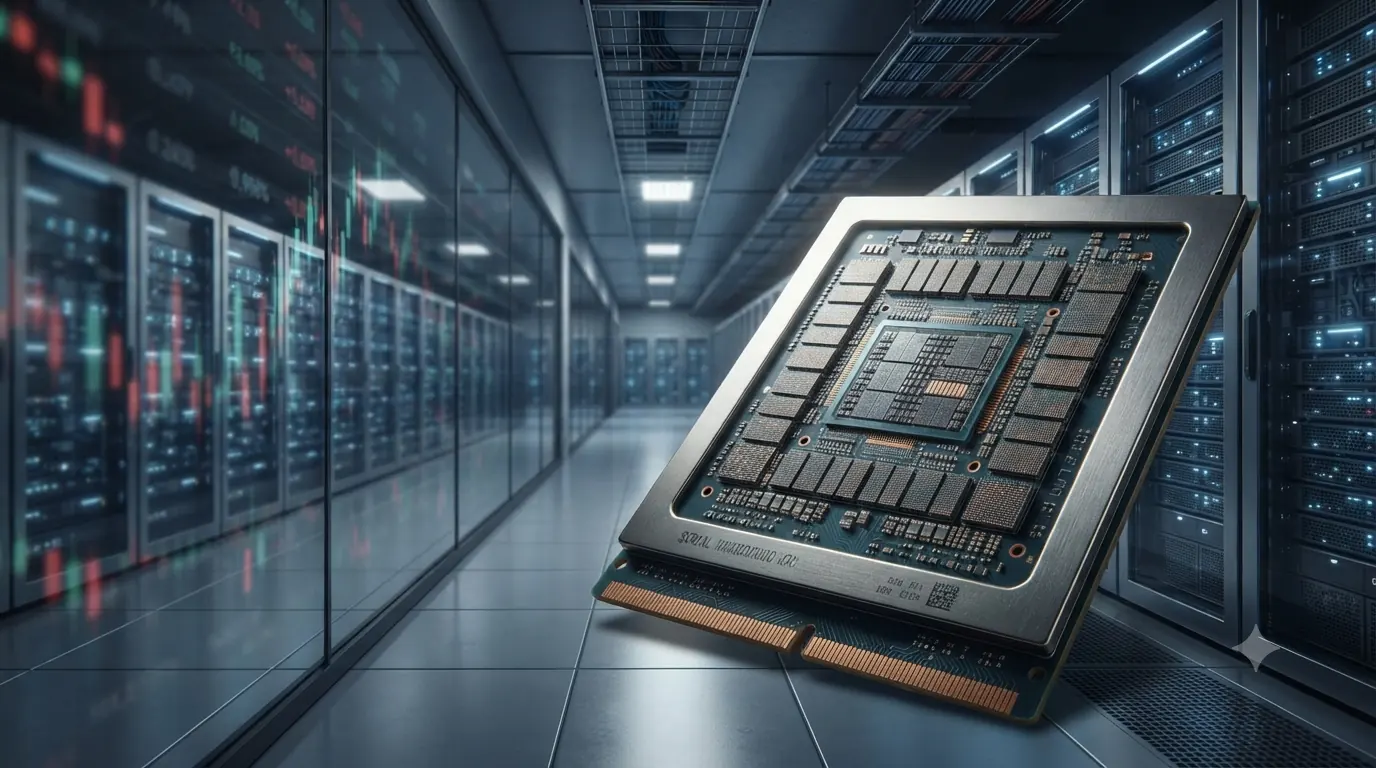
Jensen Huang, the CEO of Nvidia, has made a compelling argument for the importance of artificial intelligence in chip design. In a recent statement, he compared not using AI to using 'paper and pencil', emphasizing the vast difference in efficiency and productivity that AI can bring to the table.
Huang's comments come as Nvidia continues to invest heavily in AI research and development, with a massive token budget allocated to support the company's AI-driven initiatives. This commitment to AI is expected to drive significant advancements in chip design, enabling the creation of more complex and sophisticated chips that can power a wide range of applications, from gaming and graphics to datacenter and cloud computing.
The use of AI in chip design offers several benefits, including increased efficiency, improved accuracy, and enhanced productivity. By leveraging AI algorithms and machine learning models, chip designers can automate many of the tedious and time-consuming tasks involved in the design process, freeing up more time to focus on higher-level tasks and innovation.
- Increased efficiency: AI can help automate many of the repetitive tasks involved in chip design, such as routing and placement, allowing designers to focus on more complex and creative tasks.
- Improved accuracy: AI can help reduce errors and improve the overall quality of chip designs, by analyzing large amounts of data and identifying potential issues before they become major problems.
- Enhanced productivity: AI can help designers work more efficiently and effectively, by providing them with the tools and insights they need to create more complex and sophisticated chips.
Nvidia's commitment to AI is evident in its massive token budget, which is expected to support a wide range of AI-driven initiatives, from research and development to product design and deployment. The company's investments in AI are expected to drive significant advancements in chip design, enabling the creation of more complex and sophisticated chips that can power a wide range of applications.
In conclusion, Jensen Huang's comments highlight the importance of AI in chip design, and Nvidia's commitment to AI-driven innovation. As the company continues to invest heavily in AI research and development, we can expect to see significant advancements in chip design, enabling the creation of more complex and sophisticated chips that can power a wide range of applications.
shareShare this post
recommendYou may also like
BUSINESSTECHNOLOGYMicrosoft Ignite 2026: Satya Nadella Puts AI Agents, Copilot and Enterprise Cloud at the Centre of Microsoft's Next Technology RevolutionFlipFileZone · Read Fullopen_in_new BUSINESSTECHNOLOGYChina Uses American AI Models to Train Domestic Rivals as US Chip Restrictions Intensify the Global Artificial Intelligence RaceFlipFileZone · Read Fullopen_in_new
 BUSINESSTECHNOLOGYNvidia Leadership Turmoil Raises Concerns Over AI Industry Financing as Investors Rethink the Future of the AI BoomFlipFileZone · Read Fullopen_in_new
 TECHNOLOGYGovernor Gulab Chand Kataria launches Shaheed Bhagat Singh Youth Facilitation Centre in LudhianaFlipFileZone · Read Fullopen_in_new
 TECHNOLOGYInstinct AI Assistant Secures $350M Funding, Hits $2.5B Valuation in Record TimeFlipFileZone · Read Fullopen_in_new
 TECHNOLOGYXiaomi Unveils Xring Chip with TSMC Partnership, Redefining Its Global Hardware StrategyFlipFileZone · Read Fullopen_in_new
 TECHNOLOGYApple’s AI‑Powered Camera AirPods Could Launch in 2026, Not 2027FlipFileZone · Read Fullopen_in_new
chatPost a comment
Comments
0