 BUSINESSTECHNOLOGYMicrosoft Ignite 2026: Satya Nadella Puts AI Agents, Copilot and Enterprise Cloud at the Centre of Microsoft's Next Technology RevolutionFlipFileZone · Read Fullopen_in_new
NYC Council Pushes for Biometric Data Collection Ban in Stores
The NYC Council is proposing a bill to prohibit stores from collecting biometric data, including facial recognition, without customer consent
FlipFileZone · TECHNOLOGY
shareShare this post


NYC Council Pushes for Biometric Data Collection Ban in Stores
The New York City Council is taking a significant step towards protecting the privacy of its citizens by introducing a bill that aims to ban stores from collecting biometric data without explicit customer consent. This move is part of a broader effort to regulate the use of facial recognition technology and other biometric data collection methods in the city.
The proposed bill would require stores to obtain clear and conspicuous consent from customers before collecting, storing, or sharing their biometric data. This includes facial recognition, fingerprints, and other unique physical characteristics. The goal is to give customers more control over their personal data and prevent potential misuse.
Biometric data refers to the unique physical characteristics of an individual, such as facial features, fingerprints, iris scans, and voice recognition. This type of data is often used for identification, authentication, and security purposes. However, the collection and use of biometric data have raised significant concerns about privacy, surveillance, and potential bias.
The NYC Council is taking action in response to growing concerns about the use of facial recognition technology and other biometric data collection methods in stores. There have been reports of retailers using facial recognition to track customer behavior, monitor demographics, and even identify potential shoplifters. While these technologies may have some benefits, such as improved security and customer experience, they also pose significant risks to individual privacy and autonomy.
- Unauthorized data collection and storage
- Potential bias and discrimination
- Risk of data breaches and cyber attacks
If the bill is passed, it would have significant implications for retailers and customers in NYC. Stores would need to obtain explicit consent from customers before collecting biometric data, and they would be required to provide clear notice about the types of data being collected and how it will be used. This would give customers more control over their personal data and prevent potential misuse.
The bill would also have implications for the broader use of facial recognition technology and other biometric data collection methods in the city. It could set a precedent for other cities and states to follow, and it could lead to a more comprehensive regulatory framework for the use of biometric data.
shareShare this post
recommendYou may also like
BUSINESSTECHNOLOGYMicrosoft Ignite 2026: Satya Nadella Puts AI Agents, Copilot and Enterprise Cloud at the Centre of Microsoft's Next Technology RevolutionFlipFileZone · Read Fullopen_in_new BUSINESSTECHNOLOGYChina Uses American AI Models to Train Domestic Rivals as US Chip Restrictions Intensify the Global Artificial Intelligence RaceFlipFileZone · Read Fullopen_in_new
 BUSINESSTECHNOLOGYNvidia Leadership Turmoil Raises Concerns Over AI Industry Financing as Investors Rethink the Future of the AI BoomFlipFileZone · Read Fullopen_in_new
 TECHNOLOGYGovernor Gulab Chand Kataria launches Shaheed Bhagat Singh Youth Facilitation Centre in LudhianaFlipFileZone · Read Fullopen_in_new
 TECHNOLOGYInstinct AI Assistant Secures $350M Funding, Hits $2.5B Valuation in Record TimeFlipFileZone · Read Fullopen_in_new
 TECHNOLOGYXiaomi Unveils Xring Chip with TSMC Partnership, Redefining Its Global Hardware StrategyFlipFileZone · Read Fullopen_in_new
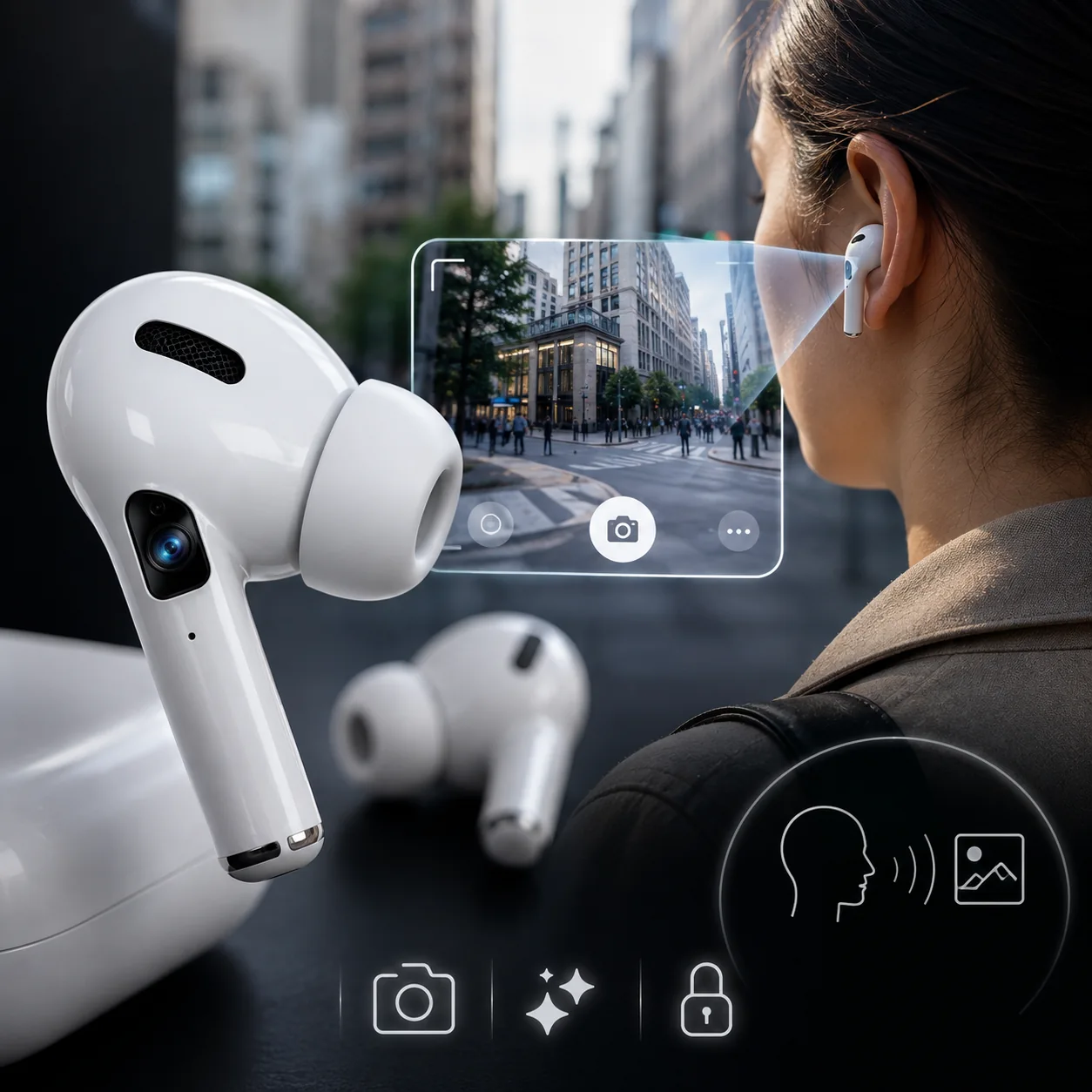 TECHNOLOGYApple’s AI‑Powered Camera AirPods Could Launch in 2026, Not 2027FlipFileZone · Read Fullopen_in_new
chatPost a comment
Comments
0