 BUSINESSTECHNOLOGYMicrosoft Ignite 2026: Satya Nadella Puts AI Agents, Copilot and Enterprise Cloud at the Centre of Microsoft's Next Technology RevolutionFlipFileZone · Read Fullopen_in_new
Reclaiming Control: Why the Public Must Govern AI-Run Systems
The increasing presence of AI in infrastructure, labor, education, and governance demands a shift in control from private actors to the public, ensuring accountability and equitable decision-making
FlipFileZone · TECHNOLOGY
shareShare this post


Reclaiming Control: Why the Public Must Govern AI-Run Systems
The integration of Artificial Intelligence (AI) into various aspects of our lives, from infrastructure and labor to education and governance, has transformed the way we live and interact. However, this transformation also raises critical questions about control and governance. Who should have the authority to make decisions about AI-run systems? Should it be private actors, driven by profit and self-interest, or the public, who are most affected by these decisions?
There are several reasons why the public needs to control AI-run infrastructure, labor, education, and governance. Firstly, accountability is a major concern. When private actors are in control, they may prioritize their interests over the well-being of the public, leading to decisions that are detrimental to society. By contrast, public control ensures that decision-making is transparent and accountable to the people.
Secondly, equitable decision-making is crucial. AI-run systems can perpetuate existing biases and inequalities if they are designed and controlled by a select few. Public control allows for a more diverse range of perspectives and experiences to be represented, leading to more equitable decision-making.
So, what are the benefits of public control over AI-run systems? Some of the advantages include:
- Increased transparency: Public control ensures that decision-making processes are open and transparent, allowing citizens to understand how AI-run systems are making decisions that affect their lives.
- Improved accountability: With public control, there is a clear line of accountability, and citizens can hold decision-makers responsible for the consequences of AI-run systems.
- More equitable decision-making: Public control allows for a more diverse range of perspectives and experiences to be represented, leading to more equitable decision-making.
While public control over AI-run systems is essential, there are also challenges to be addressed. Some of the obstacles include:
- Lack of technical expertise: The public may not have the necessary technical expertise to effectively control AI-run systems.
- Private sector resistance: Private actors may resist public control, as it could limit their profits and influence.
- Complexity of AI systems: AI-run systems can be complex and difficult to understand, making it challenging for the public to exert control.
To overcome these challenges, solutions such as public education and awareness campaigns, regulatory frameworks, and inclusive decision-making processes can be implemented.
shareShare this post
recommendYou may also like
BUSINESSTECHNOLOGYMicrosoft Ignite 2026: Satya Nadella Puts AI Agents, Copilot and Enterprise Cloud at the Centre of Microsoft's Next Technology RevolutionFlipFileZone · Read Fullopen_in_new BUSINESSTECHNOLOGYChina Uses American AI Models to Train Domestic Rivals as US Chip Restrictions Intensify the Global Artificial Intelligence RaceFlipFileZone · Read Fullopen_in_new
 BUSINESSTECHNOLOGYNvidia Leadership Turmoil Raises Concerns Over AI Industry Financing as Investors Rethink the Future of the AI BoomFlipFileZone · Read Fullopen_in_new
 TECHNOLOGYGovernor Gulab Chand Kataria launches Shaheed Bhagat Singh Youth Facilitation Centre in LudhianaFlipFileZone · Read Fullopen_in_new
 TECHNOLOGYInstinct AI Assistant Secures $350M Funding, Hits $2.5B Valuation in Record TimeFlipFileZone · Read Fullopen_in_new
 TECHNOLOGYXiaomi Unveils Xring Chip with TSMC Partnership, Redefining Its Global Hardware StrategyFlipFileZone · Read Fullopen_in_new
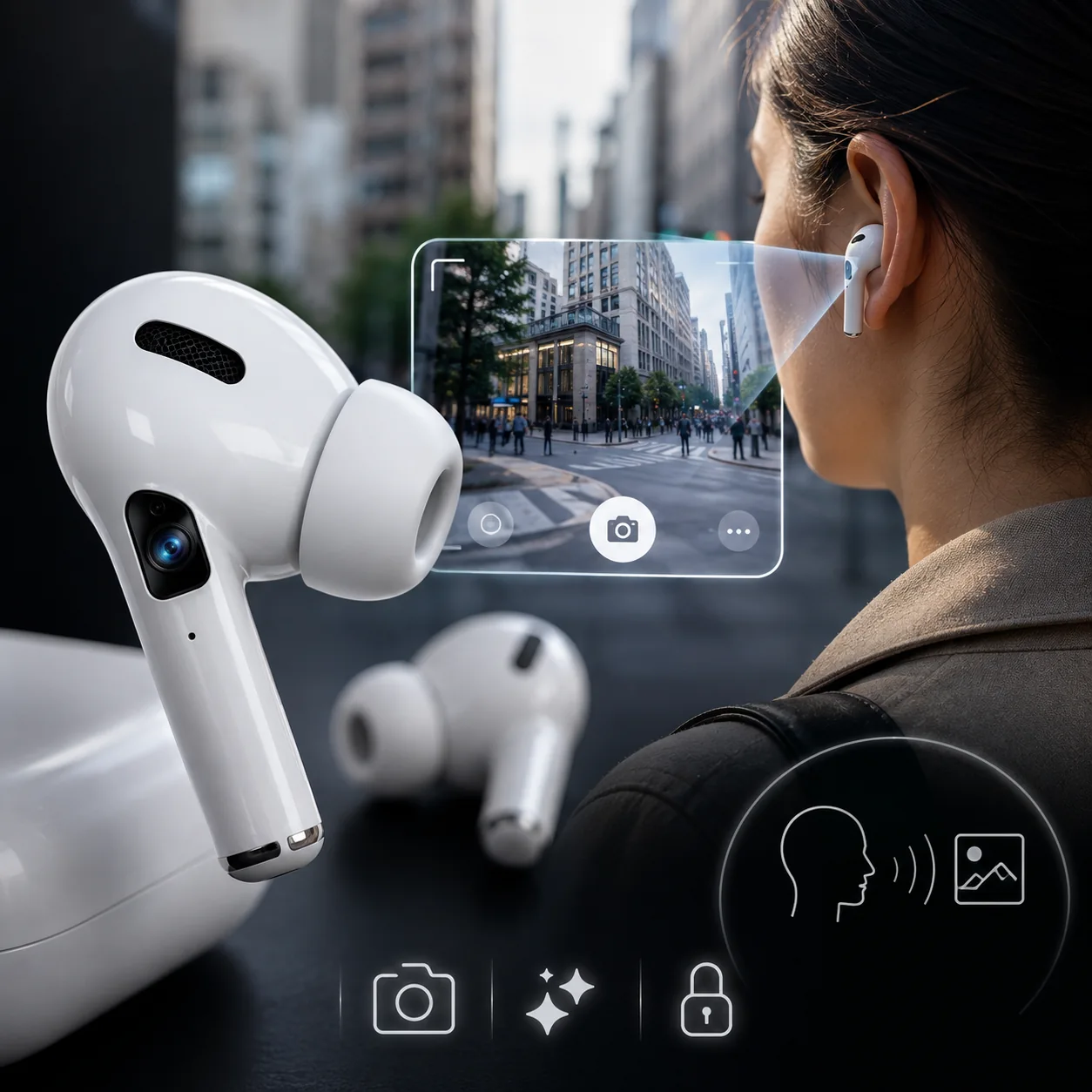 TECHNOLOGYApple’s AI‑Powered Camera AirPods Could Launch in 2026, Not 2027FlipFileZone · Read Fullopen_in_new
chatPost a comment
Comments
0