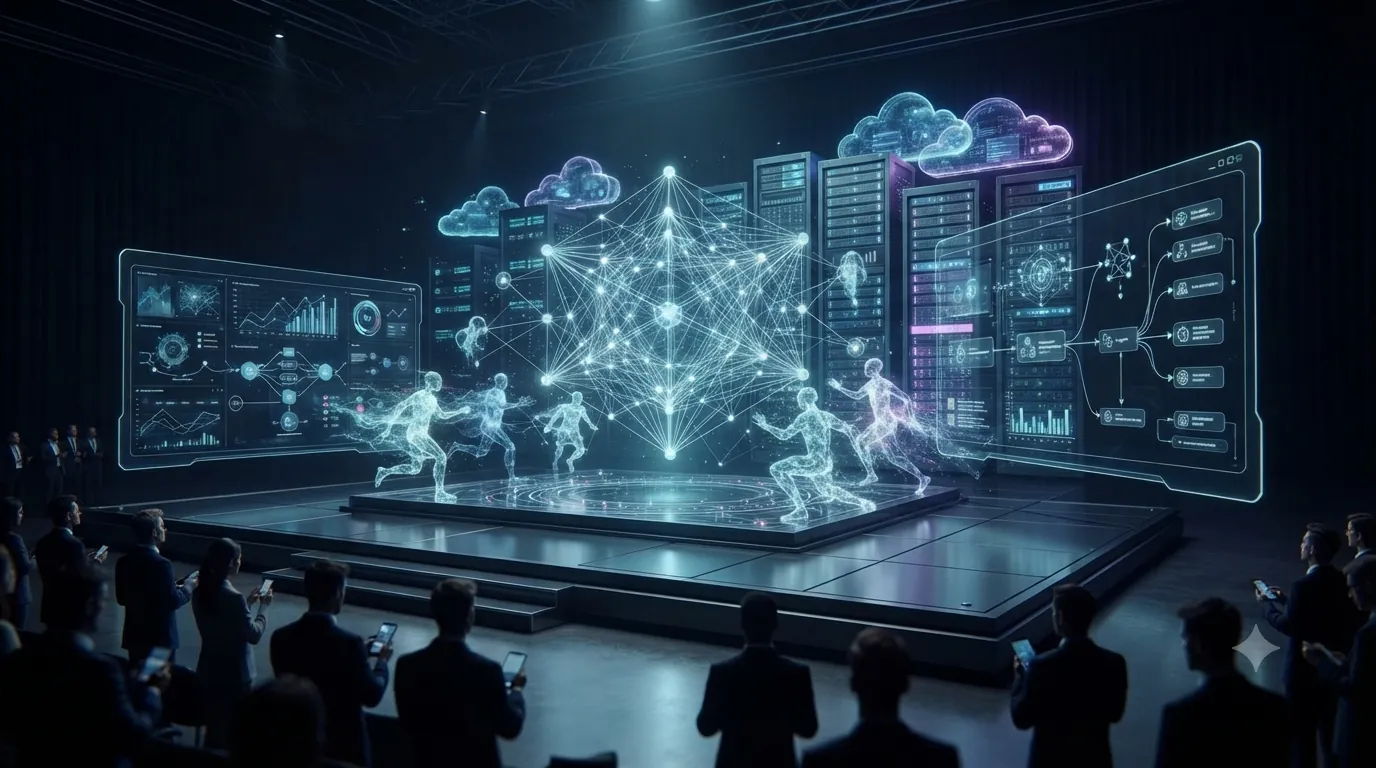
 BUSINESSTECHNOLOGYMicrosoft Ignite 2026: Satya Nadella Puts AI Agents, Copilot and Enterprise Cloud at the Centre of Microsoft's Next Technology RevolutionFlipFileZone · Read Fullopen_in_new
STLE: An Open-Source Framework for AI Uncertainty
STLE is an open-source framework that enables AI models to quantify and communicate their uncertainty, allowing them to say 'I don't know' when faced with unknown or uncertain data
FlipFileZone · TECHNOLOGY
shareShare this post


STLE: An Open-Source Framework for AI Uncertainty
Artificial intelligence (AI) has made tremendous progress in recent years, with applications in various fields such as computer vision, natural language processing, and decision-making. However, one of the major limitations of current AI systems is their inability to effectively handle uncertainty and express doubt when faced with unknown or uncertain data.
This is where STLE, an open-source framework for AI uncertainty, comes into play. STLE provides a novel approach to teaching AI models to say 'I don't know' when they are unsure or lack sufficient information to make a prediction or decision.
What is STLE?
STLE is a framework that enables AI models to quantify and communicate their uncertainty, allowing them to express doubt and uncertainty in a more human-like way. The framework is based on a combination of techniques from machine learning, statistics, and cognitive science, and is designed to be flexible and adaptable to a wide range of AI applications.
Key Features of STLE
- Uncertainty quantification: STLE provides a range of techniques for quantifying uncertainty in AI models, including Bayesian neural networks, Monte Carlo dropout, and bootstrapping.
- Uncertainty communication: The framework includes methods for communicating uncertainty to users, such as confidence intervals, probability distributions, and visualizations.
- Flexibility and adaptability: STLE is designed to be flexible and adaptable to a wide range of AI applications, including computer vision, natural language processing, and decision-making.
Benefits of STLE
The benefits of using STLE include:
- Improved robustness and reliability: By quantifying and communicating uncertainty, STLE can help improve the robustness and reliability of AI systems.
- Increased trust and transparency: The framework can help increase trust and transparency in AI decision-making by providing clear and intuitive uncertainty estimates.
- Enhanced human-AI collaboration: STLE can facilitate more effective human-AI collaboration by enabling AI models to express doubt and uncertainty in a more human-like way.
shareShare this post
recommendYou may also like
BUSINESSTECHNOLOGYMicrosoft Ignite 2026: Satya Nadella Puts AI Agents, Copilot and Enterprise Cloud at the Centre of Microsoft's Next Technology RevolutionFlipFileZone · Read Fullopen_in_new BUSINESSTECHNOLOGYChina Uses American AI Models to Train Domestic Rivals as US Chip Restrictions Intensify the Global Artificial Intelligence RaceFlipFileZone · Read Fullopen_in_new
 BUSINESSTECHNOLOGYNvidia Leadership Turmoil Raises Concerns Over AI Industry Financing as Investors Rethink the Future of the AI BoomFlipFileZone · Read Fullopen_in_new
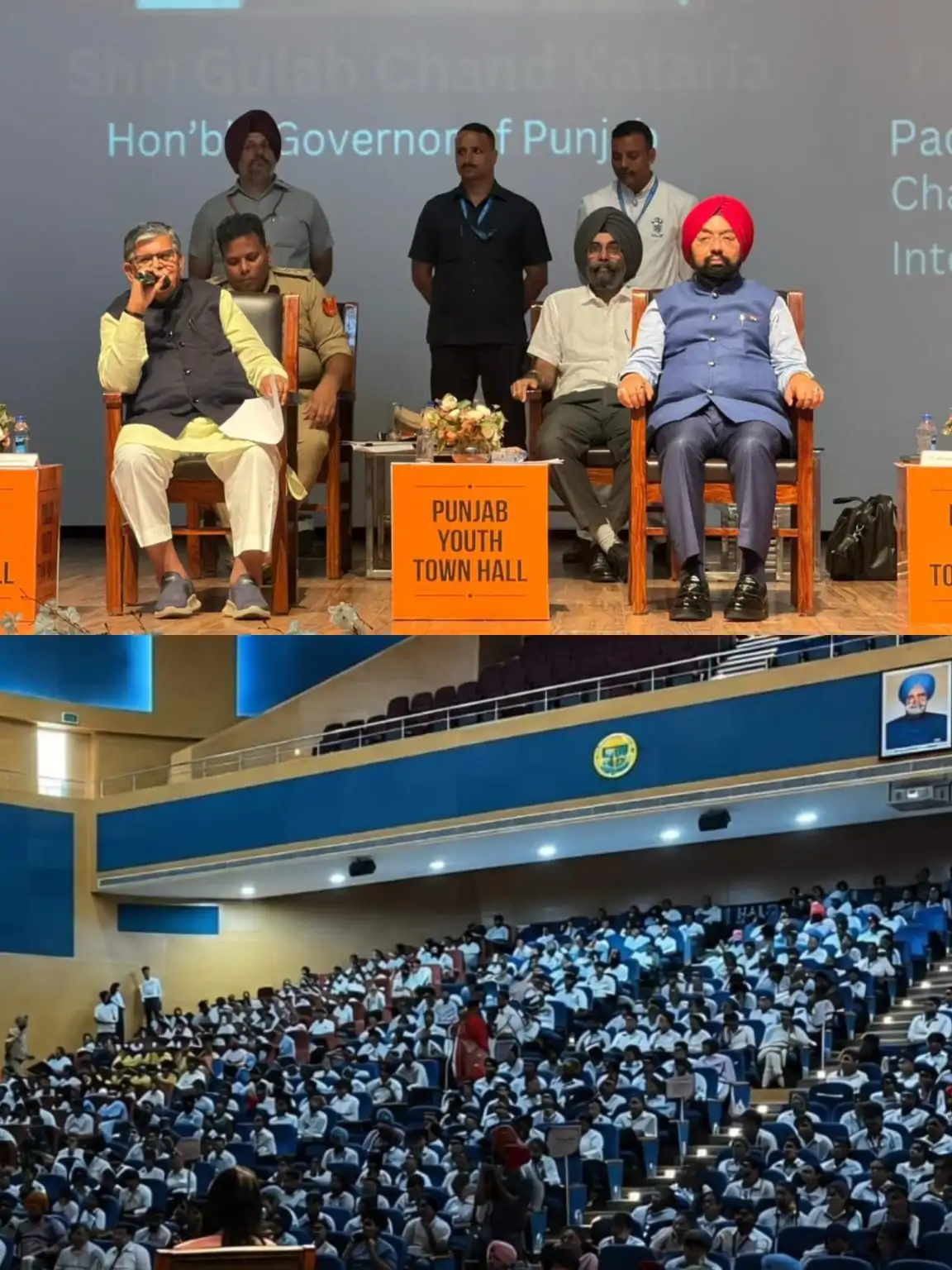 TECHNOLOGYGovernor Gulab Chand Kataria launches Shaheed Bhagat Singh Youth Facilitation Centre in LudhianaFlipFileZone · Read Fullopen_in_new
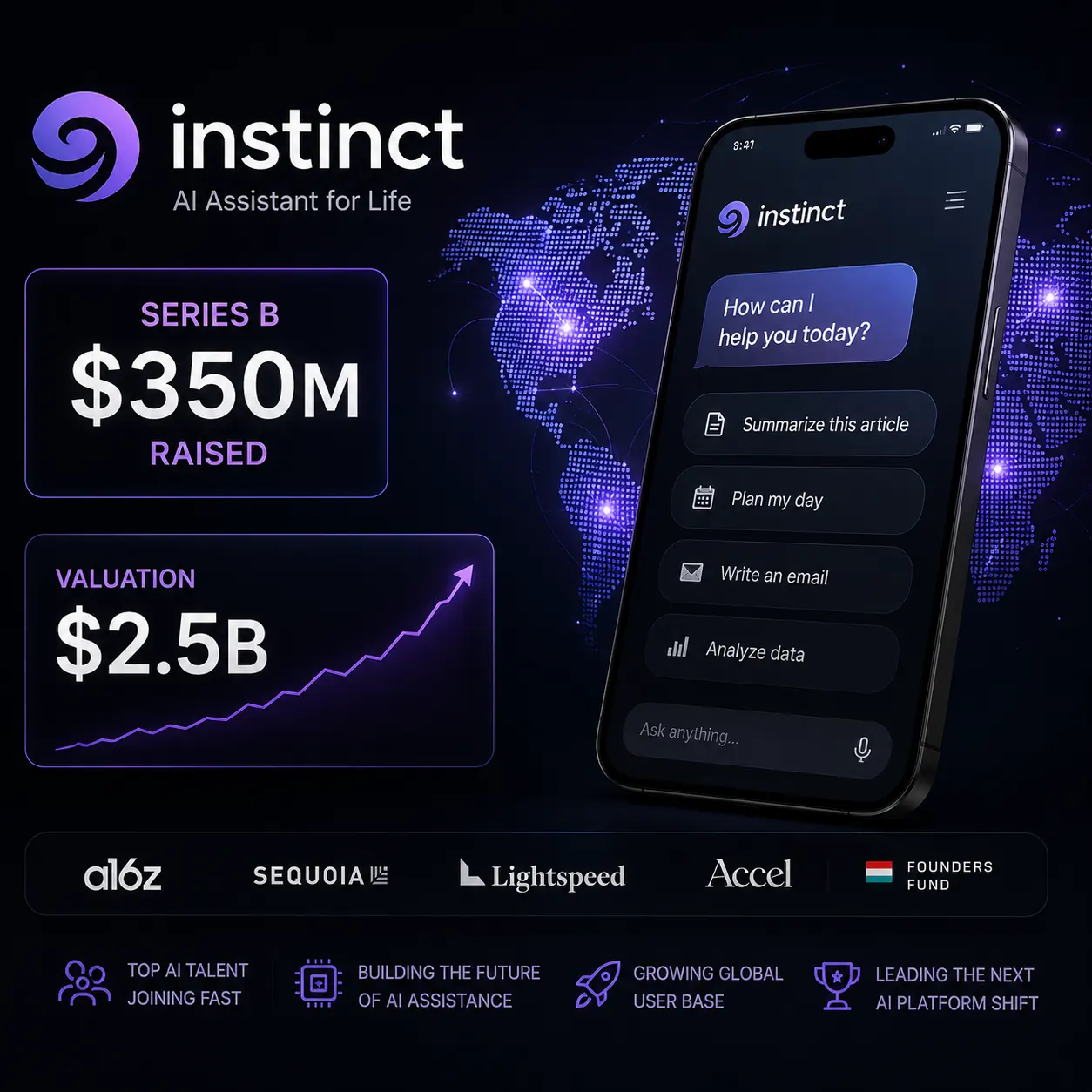 TECHNOLOGYInstinct AI Assistant Secures $350M Funding, Hits $2.5B Valuation in Record TimeFlipFileZone · Read Fullopen_in_new
 TECHNOLOGYXiaomi Unveils Xring Chip with TSMC Partnership, Redefining Its Global Hardware StrategyFlipFileZone · Read Fullopen_in_new
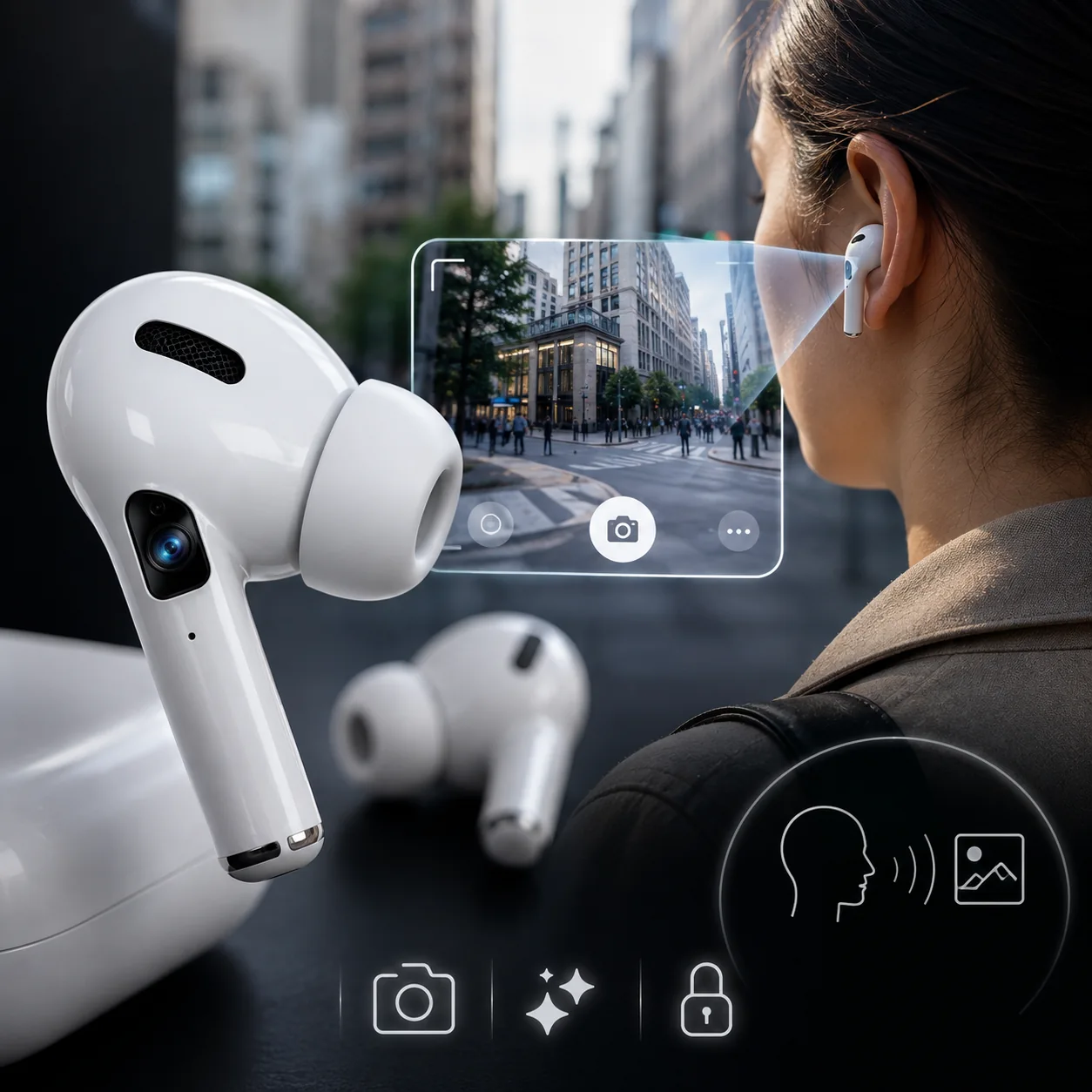 TECHNOLOGYApple’s AI‑Powered Camera AirPods Could Launch in 2026, Not 2027FlipFileZone · Read Fullopen_in_new
chatPost a comment
Comments
0