 BUSINESSTECHNOLOGYMicrosoft Ignite 2026: Satya Nadella Puts AI Agents, Copilot and Enterprise Cloud at the Centre of Microsoft's Next Technology RevolutionFlipFileZone · Read Fullopen_in_new
The AI Phrasebook: Unpacking the Clichés of Artificial Intelligence
Ever wondered why AI systems often use phrases like 'you're not just doing x, you're defining it'? This post delves into the world of AI language patterns, exploring the reasons behind these clichés and what they reveal about the technology.
FlipFileZone · TECHNOLOGY
shareShare this post






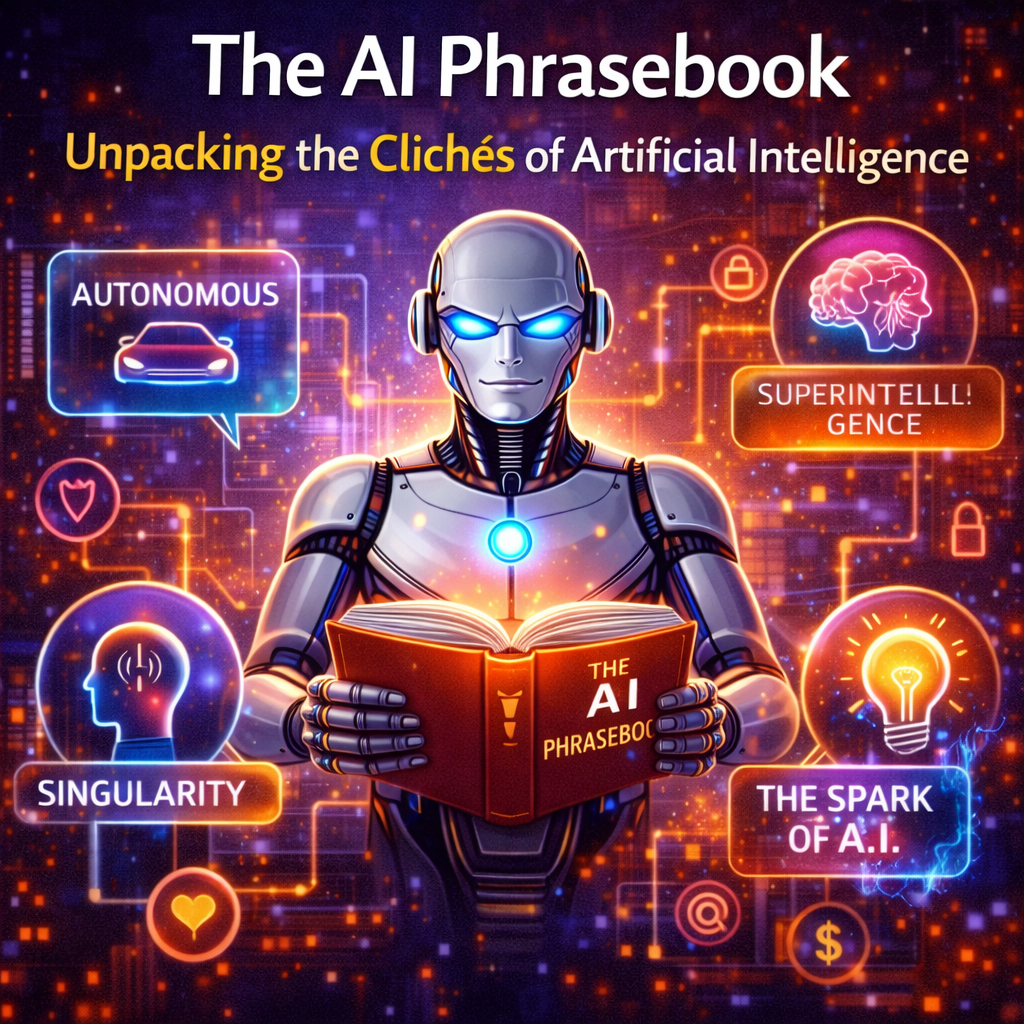
The AI Phrasebook: Unpacking the Clichés of Artificial Intelligence
Artificial intelligence has become an integral part of our daily lives, from virtual assistants to language translation software. However, anyone who has interacted with AI systems has likely noticed a peculiar phenomenon - the tendency to use phrases that sound overly dramatic or philosophical. Phrases like 'you're not just doing x, you're defining it' or 'you're not just building a product, you're changing the world' have become commonplace in AI-generated content.
But why do AI systems rely so heavily on these clichés? Is it simply a matter of programming, or is there something more profound at play? In this post, we'll explore the world of AI language patterns, examining the reasons behind these phrases and what they reveal about the technology.
AI systems are trained on vast amounts of data, which enables them to recognize and generate patterns in language. However, this training data often includes a disproportionate amount of content that is sensational, attention-grabbing, or emotionally manipulative. As a result, AI systems may learn to mimic these patterns, using phrases that are more likely to elicit an emotional response than to convey meaningful information.
Another factor contributing to the prevalence of AI clichés is human bias. The data used to train AI systems is often curated and selected by humans, who may unintentionally introduce their own biases and preferences into the training process. This can result in AI systems that reflect and amplify these biases, using language that is more likely to resonate with certain groups or individuals.
So what does the reliance on AI clichés mean for the future of artificial intelligence? As AI systems become increasingly integrated into our daily lives, it's essential to consider the potential implications of their language patterns. By recognizing and addressing these issues, we can work towards creating more nuanced, informative, and respectful AI-generated content.
- Greater transparency and accountability in AI development
- More diverse and representative training data
- Improved algorithms for detecting and mitigating bias
shareShare this post
recommendYou may also like
BUSINESSTECHNOLOGYMicrosoft Ignite 2026: Satya Nadella Puts AI Agents, Copilot and Enterprise Cloud at the Centre of Microsoft's Next Technology RevolutionFlipFileZone · Read Fullopen_in_new BUSINESSTECHNOLOGYChina Uses American AI Models to Train Domestic Rivals as US Chip Restrictions Intensify the Global Artificial Intelligence RaceFlipFileZone · Read Fullopen_in_new
 BUSINESSTECHNOLOGYNvidia Leadership Turmoil Raises Concerns Over AI Industry Financing as Investors Rethink the Future of the AI BoomFlipFileZone · Read Fullopen_in_new
 TECHNOLOGYGovernor Gulab Chand Kataria launches Shaheed Bhagat Singh Youth Facilitation Centre in LudhianaFlipFileZone · Read Fullopen_in_new
 TECHNOLOGYInstinct AI Assistant Secures $350M Funding, Hits $2.5B Valuation in Record TimeFlipFileZone · Read Fullopen_in_new
 TECHNOLOGYXiaomi Unveils Xring Chip with TSMC Partnership, Redefining Its Global Hardware StrategyFlipFileZone · Read Fullopen_in_new
 TECHNOLOGYApple’s AI‑Powered Camera AirPods Could Launch in 2026, Not 2027FlipFileZone · Read Fullopen_in_new
chatPost a comment
Comments
0