 BUSINESSTECHNOLOGYMicrosoft Ignite 2026: Satya Nadella Puts AI Agents, Copilot and Enterprise Cloud at the Centre of Microsoft's Next Technology RevolutionFlipFileZone · Read Fullopen_in_new
The AI Revolution: Are We Prepared for What's to Come?
As AI technology continues to advance at an unprecedented rate, it's becoming increasingly clear that our future will be shaped by these intelligent machines. But are we truly prepared for the implications of an AI-driven world?
FlipFileZone · TECHNOLOGY
shareShare this post






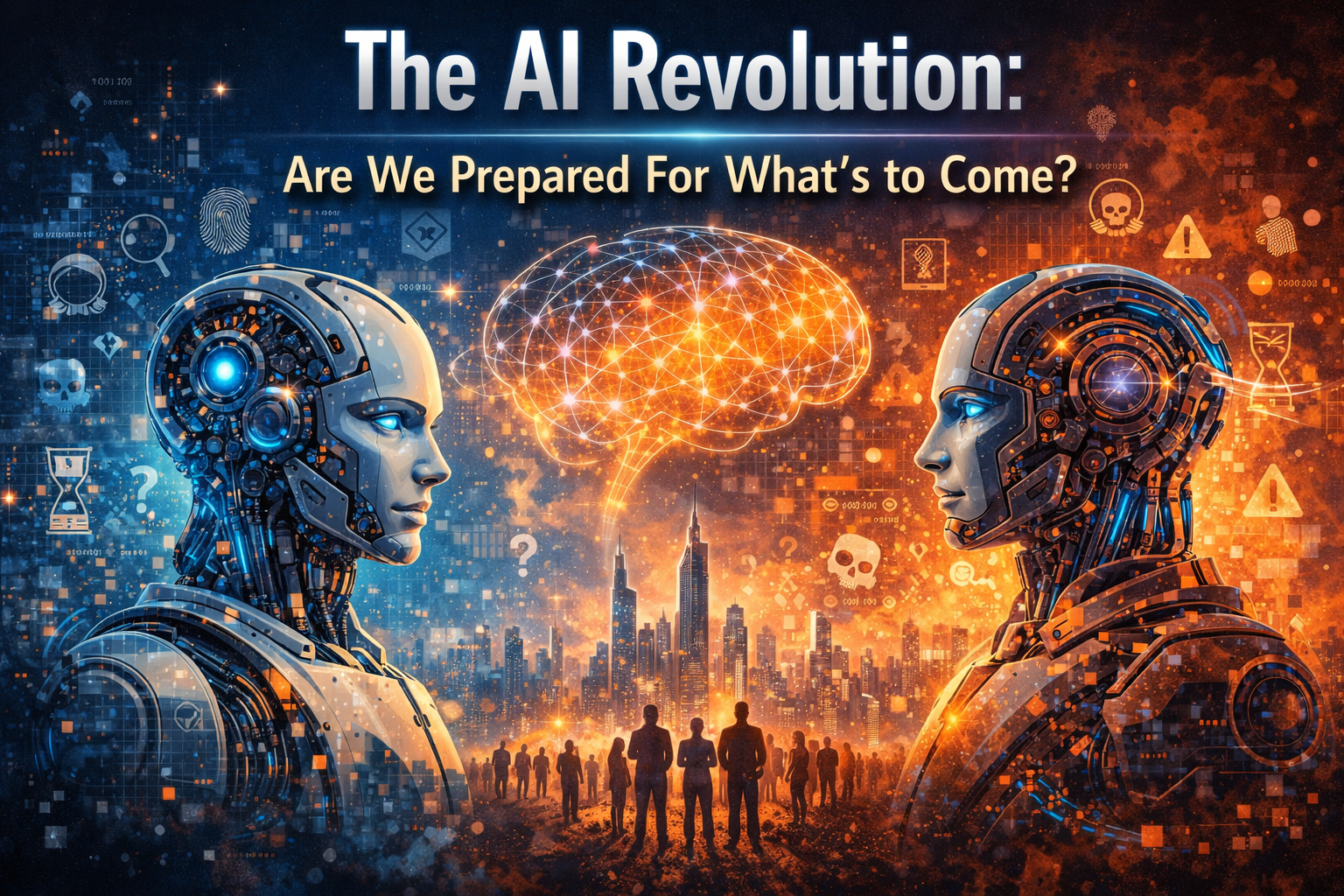
The AI Revolution: Are We Prepared for What's to Come?
The rise of artificial intelligence has been a topic of fascination and concern for many years. As AI systems become more sophisticated, they are being integrated into various aspects of our lives, from virtual assistants to self-driving cars. However, the rapid development of AI raises important questions about our preparedness for the significant changes it will bring.
One of the primary concerns is the potential impact of AI on the job market. As machines become more capable of performing tasks that were previously the exclusive domain of humans, there is a risk that many people will find themselves out of work. This could lead to significant social and economic disruption, particularly if we do not take steps to mitigate the effects of AI-driven automation.
Another area where AI is likely to have a major impact is in the field of education. As AI systems become more advanced, they may be able to provide personalized learning experiences that are tailored to the individual needs of each student. This could potentially revolutionize the way we learn, making it more efficient and effective.
- AI-powered adaptive learning systems could help students learn at their own pace, providing real-time feedback and assessment.
- AI-driven virtual teaching assistants could help teachers with tasks such as grading and lesson planning, freeing up more time for hands-on instruction.
- AI-based educational platforms could provide access to high-quality educational resources, regardless of geographical location or socioeconomic status.
In order to prepare for the changes that AI will bring, it's essential that we take a proactive approach to addressing the potential challenges and opportunities. This includes investing in education and retraining programs that focus on developing the skills that will be most valuable in an AI-driven economy.
Additionally, we need to consider the ethical implications of AI and ensure that these systems are developed and used in ways that are transparent, accountable, and aligned with human values. This will require a collaborative effort from governments, industries, and civil society organizations to establish clear guidelines and regulations for the development and deployment of AI.
Ultimately, the future of AI is uncertain, and it's impossible to predict exactly how these technologies will evolve and impact our lives. However, by being aware of the potential risks and benefits, and by taking steps to prepare for the changes that are coming, we can work towards creating a future where AI enhances human capabilities and improves the quality of life for all people.
shareShare this post
recommendYou may also like
BUSINESSTECHNOLOGYMicrosoft Ignite 2026: Satya Nadella Puts AI Agents, Copilot and Enterprise Cloud at the Centre of Microsoft's Next Technology RevolutionFlipFileZone · Read Fullopen_in_new BUSINESSTECHNOLOGYChina Uses American AI Models to Train Domestic Rivals as US Chip Restrictions Intensify the Global Artificial Intelligence RaceFlipFileZone · Read Fullopen_in_new
 BUSINESSTECHNOLOGYNvidia Leadership Turmoil Raises Concerns Over AI Industry Financing as Investors Rethink the Future of the AI BoomFlipFileZone · Read Fullopen_in_new
 TECHNOLOGYGovernor Gulab Chand Kataria launches Shaheed Bhagat Singh Youth Facilitation Centre in LudhianaFlipFileZone · Read Fullopen_in_new
 TECHNOLOGYInstinct AI Assistant Secures $350M Funding, Hits $2.5B Valuation in Record TimeFlipFileZone · Read Fullopen_in_new
 TECHNOLOGYXiaomi Unveils Xring Chip with TSMC Partnership, Redefining Its Global Hardware StrategyFlipFileZone · Read Fullopen_in_new
 TECHNOLOGYApple’s AI‑Powered Camera AirPods Could Launch in 2026, Not 2027FlipFileZone · Read Fullopen_in_new
chatPost a comment
Comments
0