 BUSINESSTECHNOLOGYMicrosoft Ignite 2026: Satya Nadella Puts AI Agents, Copilot and Enterprise Cloud at the Centre of Microsoft's Next Technology RevolutionFlipFileZone · Read Fullopen_in_new
The Autonomous Agent: A Bittersweet Victory
An autonomous agent fixed a production bug at our company, but the victory was short-lived, raising questions about the role of human labor in the face of automation
FlipFileZone · TECHNOLOGY
shareShare this post


The Autonomous Agent: A Bittersweet Victory
The introduction of autonomous agents in the workplace has been a topic of discussion for years, with many companies investing heavily in automation. Last week, our company experienced the benefits of this technology firsthand when an autonomous agent autonomously fixed a production bug that had been causing issues for our team.
While the fix was a welcome relief, it also raised some unexpected concerns. The fact that an autonomous agent was able to identify and fix the bug so efficiently made me wonder about the role of human labor in the face of automation. Will autonomous agents eventually replace human workers, or can they coexist and complement each other?
Autonomous agents have the potential to revolutionize the way we work, providing numerous benefits such as increased efficiency, reduced downtime, and improved accuracy. They can work around the clock without fatigue, making them ideal for tasks that require continuous monitoring and maintenance.
- Increased productivity: Autonomous agents can automate repetitive tasks, freeing up human workers to focus on more complex and creative tasks.
- Improved accuracy: Autonomous agents can perform tasks with a high degree of accuracy, reducing the likelihood of human error.
- Reduced downtime: Autonomous agents can quickly identify and fix issues, reducing downtime and minimizing the impact on business operations.
While autonomous agents offer many benefits, they also raise concerns about the future of human labor. As autonomous agents become more advanced, there is a risk that they could replace human workers, particularly in industries where tasks are repetitive or can be easily automated.
- Job displacement: Autonomous agents could displace human workers, particularly in industries where tasks are repetitive or can be easily automated.
- Dependence on technology: Over-reliance on autonomous agents could lead to a lack of human skills and knowledge, making us vulnerable to technological failures or cyber attacks.
The future of autonomous agents is uncertain, but one thing is clear: they are here to stay. As technology continues to advance, we can expect to see more autonomous agents in the workplace, performing tasks that were previously done by humans.
However, it's essential to strike a balance between the benefits of autonomous agents and the concerns they raise. By implementing autonomous agents in a way that complements human labor, rather than replacing it, we can create a more efficient and productive workforce that benefits both humans and technology.
shareShare this post
recommendYou may also like
BUSINESSTECHNOLOGYMicrosoft Ignite 2026: Satya Nadella Puts AI Agents, Copilot and Enterprise Cloud at the Centre of Microsoft's Next Technology RevolutionFlipFileZone · Read Fullopen_in_new BUSINESSTECHNOLOGYChina Uses American AI Models to Train Domestic Rivals as US Chip Restrictions Intensify the Global Artificial Intelligence RaceFlipFileZone · Read Fullopen_in_new
 BUSINESSTECHNOLOGYNvidia Leadership Turmoil Raises Concerns Over AI Industry Financing as Investors Rethink the Future of the AI BoomFlipFileZone · Read Fullopen_in_new
 TECHNOLOGYGovernor Gulab Chand Kataria launches Shaheed Bhagat Singh Youth Facilitation Centre in LudhianaFlipFileZone · Read Fullopen_in_new
 TECHNOLOGYInstinct AI Assistant Secures $350M Funding, Hits $2.5B Valuation in Record TimeFlipFileZone · Read Fullopen_in_new
 TECHNOLOGYXiaomi Unveils Xring Chip with TSMC Partnership, Redefining Its Global Hardware StrategyFlipFileZone · Read Fullopen_in_new
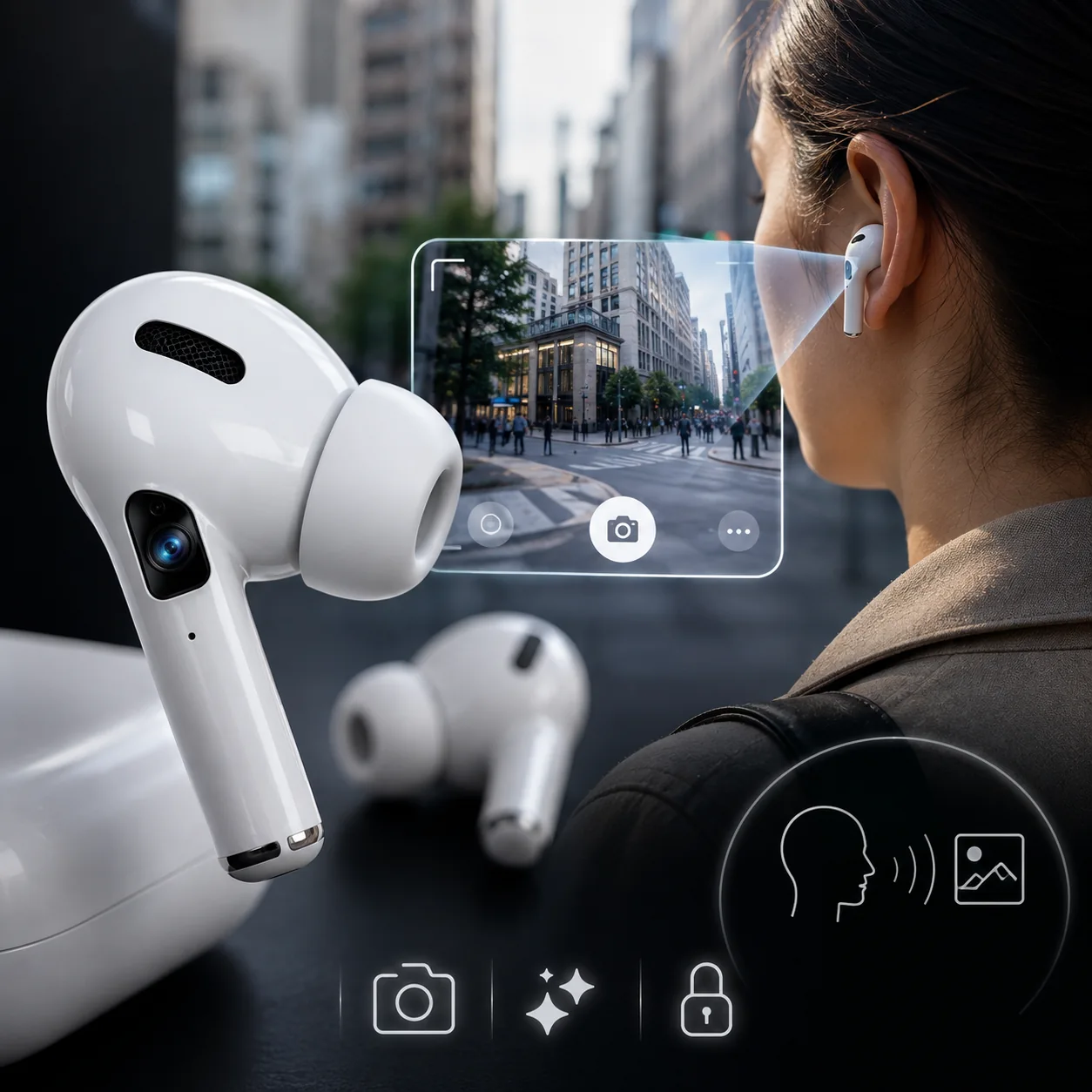 TECHNOLOGYApple’s AI‑Powered Camera AirPods Could Launch in 2026, Not 2027FlipFileZone · Read Fullopen_in_new
chatPost a comment
Comments
0