 BUSINESSTECHNOLOGYMicrosoft Ignite 2026: Satya Nadella Puts AI Agents, Copilot and Enterprise Cloud at the Centre of Microsoft's Next Technology RevolutionFlipFileZone · Read Fullopen_in_new
The Dark Side of Bite-Sized Videos: How YouTube Shorts and Instagram Reels Affect Cognitive Function
Research suggests that excessive consumption of short-form videos on platforms like YouTube Shorts and Instagram Reels can have a negative impact on cognitive function, particularly attention span and memory retention.
FlipFileZone · TECHNOLOGY
shareShare this post


The Dark Side of Bite-Sized Videos: How YouTube Shorts and Instagram Reels Affect Cognitive Function
The rise of short-form video platforms like YouTube Shorts and Instagram Reels has revolutionized the way we consume online content. However, a growing body of research suggests that this trend may have a darker side. In this article, we will delve into the science behind the potential cognitive effects of excessive short-form video consumption.
Studies have shown that the constant stream of bite-sized information can lead to a decrease in attention span, as the brain becomes accustomed to processing information in short, fragmented bursts. This can have long-term consequences, including a reduced ability to focus on complex tasks and a decreased capacity for deep thinking.
One of the primary concerns surrounding short-form video platforms is their potential to activate the brain's reward system, releasing dopamine and encouraging users to continue scrolling. This can lead to a vicious cycle of addiction, as users become increasingly reliant on the instant gratification provided by these platforms.
- Decreased attention span: The constant stream of short-form content can lead to a decrease in attention span, as the brain becomes accustomed to processing information in short, fragmented bursts.
- Reduced memory retention: The brevity of short-form videos can also lead to reduced memory retention, as the brain is not given sufficient time to process and consolidate information.
- Increased risk of addiction: The instant gratification provided by short-form video platforms can activate the brain's reward system, leading to a increased risk of addiction.
So, how can we break the cycle of addiction and mitigate the potential cognitive effects of short-form video consumption? The answer lies in finding a healthy balance between our online and offline lives. By setting limits on our screen time, engaging in activities that promote deep thinking and focus, and prioritizing face-to-face interaction, we can reduce our reliance on short-form video platforms and promote a healthier, more balanced lifestyle.
tagTags
shareShare this post
recommendYou may also like
BUSINESSTECHNOLOGYMicrosoft Ignite 2026: Satya Nadella Puts AI Agents, Copilot and Enterprise Cloud at the Centre of Microsoft's Next Technology RevolutionFlipFileZone · Read Fullopen_in_new BUSINESSTECHNOLOGYChina Uses American AI Models to Train Domestic Rivals as US Chip Restrictions Intensify the Global Artificial Intelligence RaceFlipFileZone · Read Fullopen_in_new
 BUSINESSTECHNOLOGYNvidia Leadership Turmoil Raises Concerns Over AI Industry Financing as Investors Rethink the Future of the AI BoomFlipFileZone · Read Fullopen_in_new
 TECHNOLOGYGovernor Gulab Chand Kataria launches Shaheed Bhagat Singh Youth Facilitation Centre in LudhianaFlipFileZone · Read Fullopen_in_new
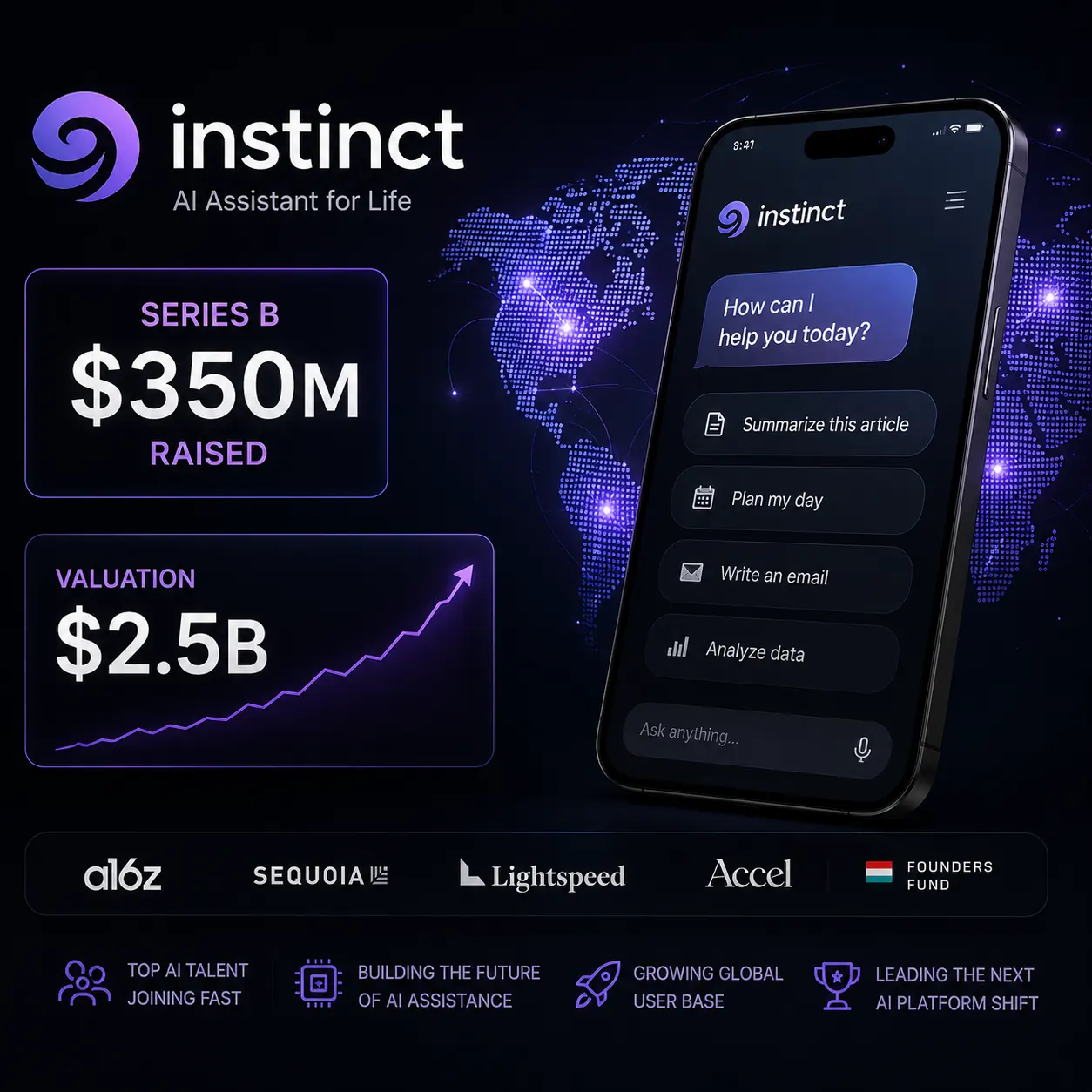 TECHNOLOGYInstinct AI Assistant Secures $350M Funding, Hits $2.5B Valuation in Record TimeFlipFileZone · Read Fullopen_in_new
 TECHNOLOGYXiaomi Unveils Xring Chip with TSMC Partnership, Redefining Its Global Hardware StrategyFlipFileZone · Read Fullopen_in_new
 TECHNOLOGYApple’s AI‑Powered Camera AirPods Could Launch in 2026, Not 2027FlipFileZone · Read Fullopen_in_new
chatPost a comment
Comments
0