 BUSINESSTECHNOLOGYMicrosoft Ignite 2026: Satya Nadella Puts AI Agents, Copilot and Enterprise Cloud at the Centre of Microsoft's Next Technology RevolutionFlipFileZone · Read Fullopen_in_new
The Dark Side of Nvidia DLSS 5: How AI Enhancement is Turning Games into Slop
Nvidia's DLSS 5 technology promises enhanced gaming performance, but at what cost? Many gamers are finding that the AI-powered upscaling is turning their favorite games into blurry, low-quality messes.
FlipFileZone · TECHNOLOGY
shareShare this post


The Dark Side of Nvidia DLSS 5: How AI Enhancement is Turning Games into Slop
The latest iteration of Nvidia's Deep Learning Super Sampling technology, DLSS 5, has been met with both excitement and skepticism from the gaming community. On one hand, the technology promises to deliver significant performance boosts and faster frame rates, making for a smoother gaming experience. On the other hand, many gamers are finding that the AI-powered upscaling is having an unintended consequence: turning their games into blurry, low-quality messes.
So, what's going on with DLSS 5? Is it really turning every game into AI slop, or are there other factors at play? In this article, we'll delve into the world of AI-enhanced gaming and explore the pros and cons of Nvidia's latest technology.
Nvidia's DLSS 5 technology uses artificial intelligence to enhance game graphics, allowing for faster frame rates and lower system requirements. The technology works by rendering games at a lower resolution, then using AI to upscale the image to the desired resolution. This process can significantly improve performance, making it possible to play games at higher resolutions and frame rates.
Despite the promise of DLSS 5, many gamers are finding that the technology is having a negative impact on game quality. The AI-powered upscaling can introduce artifacts, blurriness, and other visual anomalies that detract from the gaming experience. Some games are more affected than others, but the problem is widespread enough to have sparked a heated debate within the gaming community.
- Blurry textures and models
- Artifacts and visual anomalies
- Reduced image sharpness
In conclusion, while Nvidia's DLSS 5 technology promises to deliver enhanced gaming performance, it's clear that the technology is not without its drawbacks. The AI-powered upscaling can turn games into blurry, low-quality messes, which is a significant concern for gamers who value visual fidelity. As the technology continues to evolve, it will be interesting to see how Nvidia addresses these issues and improves the overall quality of the gaming experience.
shareShare this post
recommendYou may also like
BUSINESSTECHNOLOGYMicrosoft Ignite 2026: Satya Nadella Puts AI Agents, Copilot and Enterprise Cloud at the Centre of Microsoft's Next Technology RevolutionFlipFileZone · Read Fullopen_in_new BUSINESSTECHNOLOGYChina Uses American AI Models to Train Domestic Rivals as US Chip Restrictions Intensify the Global Artificial Intelligence RaceFlipFileZone · Read Fullopen_in_new
 BUSINESSTECHNOLOGYNvidia Leadership Turmoil Raises Concerns Over AI Industry Financing as Investors Rethink the Future of the AI BoomFlipFileZone · Read Fullopen_in_new
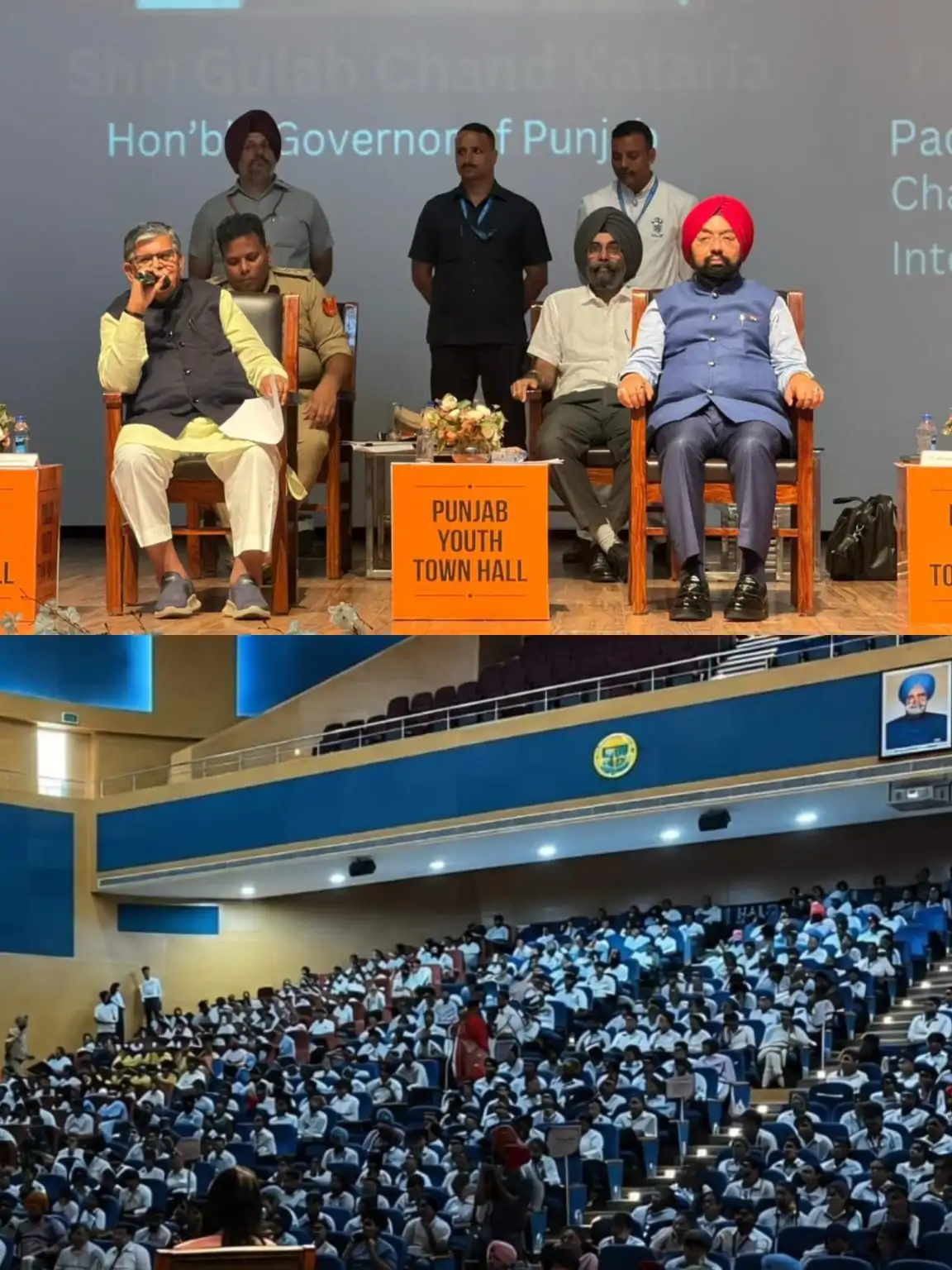 TECHNOLOGYGovernor Gulab Chand Kataria launches Shaheed Bhagat Singh Youth Facilitation Centre in LudhianaFlipFileZone · Read Fullopen_in_new
 TECHNOLOGYInstinct AI Assistant Secures $350M Funding, Hits $2.5B Valuation in Record TimeFlipFileZone · Read Fullopen_in_new
 TECHNOLOGYXiaomi Unveils Xring Chip with TSMC Partnership, Redefining Its Global Hardware StrategyFlipFileZone · Read Fullopen_in_new
 TECHNOLOGYApple’s AI‑Powered Camera AirPods Could Launch in 2026, Not 2027FlipFileZone · Read Fullopen_in_new
chatPost a comment
Comments
0