 BUSINESSTECHNOLOGYMicrosoft Ignite 2026: Satya Nadella Puts AI Agents, Copilot and Enterprise Cloud at the Centre of Microsoft's Next Technology RevolutionFlipFileZone · Read Fullopen_in_new
The Digital Generation Gap: How Replacing Textbooks with Laptops and Tablets Affected Cognitive Ability
The U.S. spent $30 billion on replacing textbooks with laptops and tablets, but the result is a generation with decreased cognitive capabilities compared to their parents
FlipFileZone · TECHNOLOGY
shareShare this post


The Digital Generation Gap: How Replacing Textbooks with Laptops and Tablets Affected Cognitive Ability
The U.S. invested heavily in replacing traditional textbooks with laptops and tablets, with a total spending of $30 billion. This initiative aimed to revolutionize the education system and provide students with access to a vast array of digital resources. However, research suggests that this shift has had an unexpected consequence: the first generation of students who are less cognitively capable than their parents.
This phenomenon can be attributed to several factors, including the lack of hands-on learning experiences, decreased attention span, and overreliance on technology. The constant stream of digital information has led to a decline in critical thinking skills, as students are no longer required to engage deeply with the material.
Studies have shown that the excessive use of laptops and tablets in the classroom has resulted in a decline in cognitive abilities such as memory, attention, and processing speed. The constant distractions and notifications from digital devices have led to a decrease in focus and a lack of depth in learning.
- Decreased attention span: The constant stream of digital information has led to a decline in attention span, as students are no longer required to focus on a single task for an extended period.
- Lack of hands-on learning experiences: The shift from traditional textbooks to digital devices has resulted in a lack of hands-on learning experiences, which are essential for developing critical thinking skills.
- Overreliance on technology: The excessive use of laptops and tablets has led to an overreliance on technology, resulting in a decline in problem-solving skills and critical thinking.
The replacement of textbooks with laptops and tablets has had a profound impact on the cognitive abilities of the first generation of digital natives. While technology has the potential to enhance learning, it is essential to strike a balance between traditional teaching methods and digital resources. By incorporating a mix of hands-on learning experiences, critical thinking exercises, and digital resources, educators can help develop a generation that is cognitively capable and equipped to succeed in an ever-changing world.
shareShare this post
recommendYou may also like
BUSINESSTECHNOLOGYMicrosoft Ignite 2026: Satya Nadella Puts AI Agents, Copilot and Enterprise Cloud at the Centre of Microsoft's Next Technology RevolutionFlipFileZone · Read Fullopen_in_new BUSINESSTECHNOLOGYChina Uses American AI Models to Train Domestic Rivals as US Chip Restrictions Intensify the Global Artificial Intelligence RaceFlipFileZone · Read Fullopen_in_new
 BUSINESSTECHNOLOGYNvidia Leadership Turmoil Raises Concerns Over AI Industry Financing as Investors Rethink the Future of the AI BoomFlipFileZone · Read Fullopen_in_new
 TECHNOLOGYGovernor Gulab Chand Kataria launches Shaheed Bhagat Singh Youth Facilitation Centre in LudhianaFlipFileZone · Read Fullopen_in_new
 TECHNOLOGYInstinct AI Assistant Secures $350M Funding, Hits $2.5B Valuation in Record TimeFlipFileZone · Read Fullopen_in_new
 TECHNOLOGYXiaomi Unveils Xring Chip with TSMC Partnership, Redefining Its Global Hardware StrategyFlipFileZone · Read Fullopen_in_new
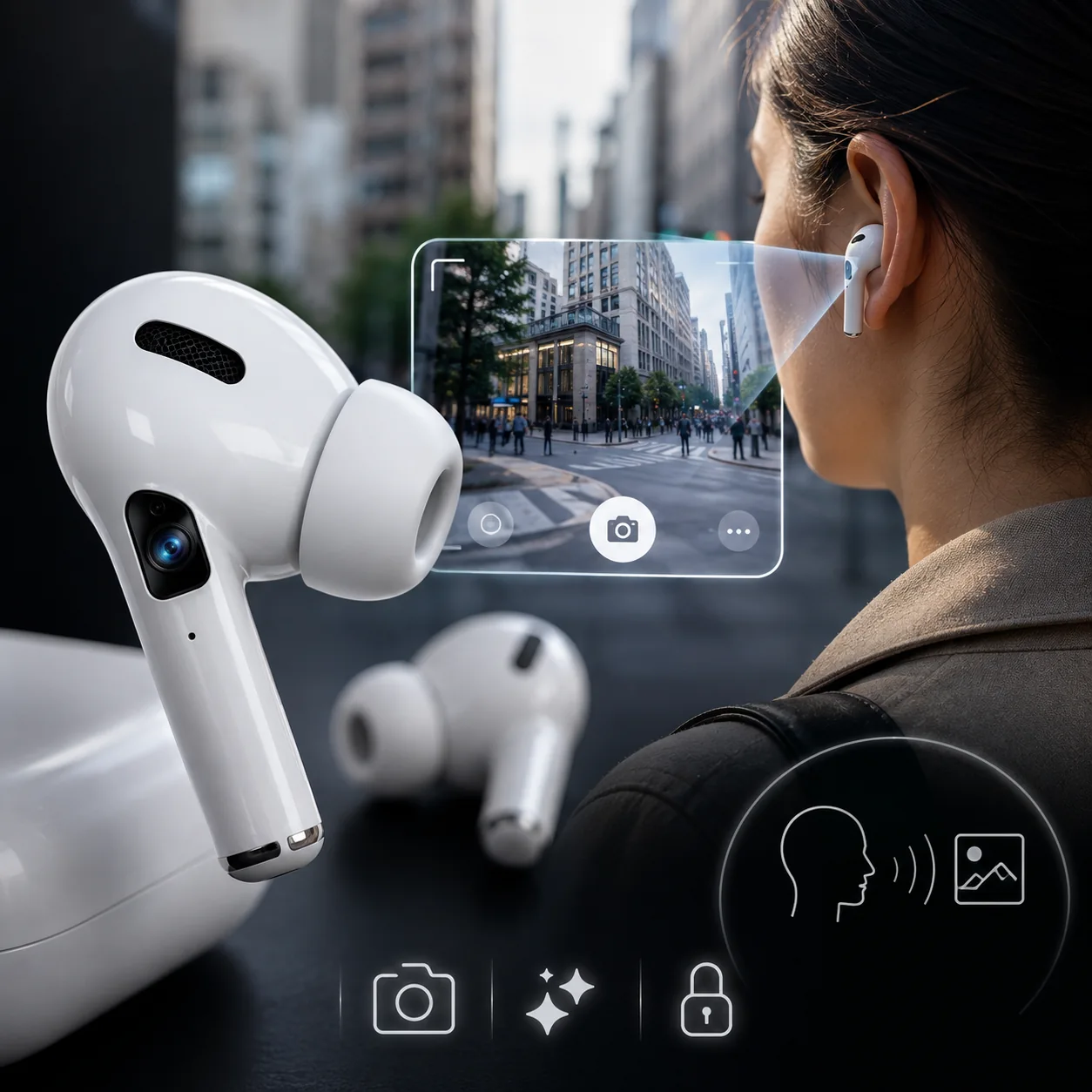 TECHNOLOGYApple’s AI‑Powered Camera AirPods Could Launch in 2026, Not 2027FlipFileZone · Read Fullopen_in_new
chatPost a comment
Comments
0