 BUSINESSTECHNOLOGYMicrosoft Ignite 2026: Satya Nadella Puts AI Agents, Copilot and Enterprise Cloud at the Centre of Microsoft's Next Technology RevolutionFlipFileZone · Read Fullopen_in_new
The End of Anonymity: How LLMs Can Unmask Pseudonymous Users
Large language models can identify pseudonymous users with surprising accuracy, raising concerns about online anonymity and privacy
FlipFileZone · TECHNOLOGY
shareShare this post


The End of Anonymity: How LLMs Can Unmask Pseudonymous Users
The rise of large language models (LLMs) has led to numerous breakthroughs in natural language processing, but one of their most significant and potentially concerning applications is the ability to unmask pseudonymous users at scale.
LLMs can analyze vast amounts of text data, identifying patterns and anomalies that can reveal a user's true identity. This has significant implications for online anonymity and privacy, as individuals who thought they were protected by pseudonyms may be surprised to find that their identities can be uncovered with relative ease.
So, how do LLMs manage to unmask pseudonymous users with such accuracy? The answer lies in the complex algorithms and machine learning techniques that power these models. By analyzing linguistic patterns, writing styles, and other subtle cues, LLMs can build detailed profiles of users, even if they are using pseudonyms.
- Language patterns: LLMs can identify unique language patterns, such as vocabulary, syntax, and grammar, that are characteristic of a particular user.
- Writing style: The way a user writes, including their tone, syntax, and use of punctuation, can be used to identify them.
- Contextual clues: LLMs can analyze the context in which a user is writing, including the topic, audience, and purpose, to gain insights into their identity.
The ability of LLMs to unmask pseudonymous users has significant implications for online anonymity and privacy. As individuals become more aware of the risks of being identified, they may be less likely to participate in online discussions or share their thoughts and opinions.
This could have a chilling effect on free speech and online discourse, as individuals may self-censor to avoid being identified. Furthermore, the use of LLMs to unmask pseudonymous users could also have serious consequences for individuals who rely on anonymity for their safety and security, such as whistleblowers or dissidents.
In conclusion, the ability of LLMs to unmask pseudonymous users at scale is a significant concern for online anonymity and privacy. As these models continue to evolve and improve, it is essential that we consider the implications of their use and develop strategies to protect individual privacy and security.
shareShare this post
recommendYou may also like
BUSINESSTECHNOLOGYMicrosoft Ignite 2026: Satya Nadella Puts AI Agents, Copilot and Enterprise Cloud at the Centre of Microsoft's Next Technology RevolutionFlipFileZone · Read Fullopen_in_new BUSINESSTECHNOLOGYChina Uses American AI Models to Train Domestic Rivals as US Chip Restrictions Intensify the Global Artificial Intelligence RaceFlipFileZone · Read Fullopen_in_new
 BUSINESSTECHNOLOGYNvidia Leadership Turmoil Raises Concerns Over AI Industry Financing as Investors Rethink the Future of the AI BoomFlipFileZone · Read Fullopen_in_new
 TECHNOLOGYGovernor Gulab Chand Kataria launches Shaheed Bhagat Singh Youth Facilitation Centre in LudhianaFlipFileZone · Read Fullopen_in_new
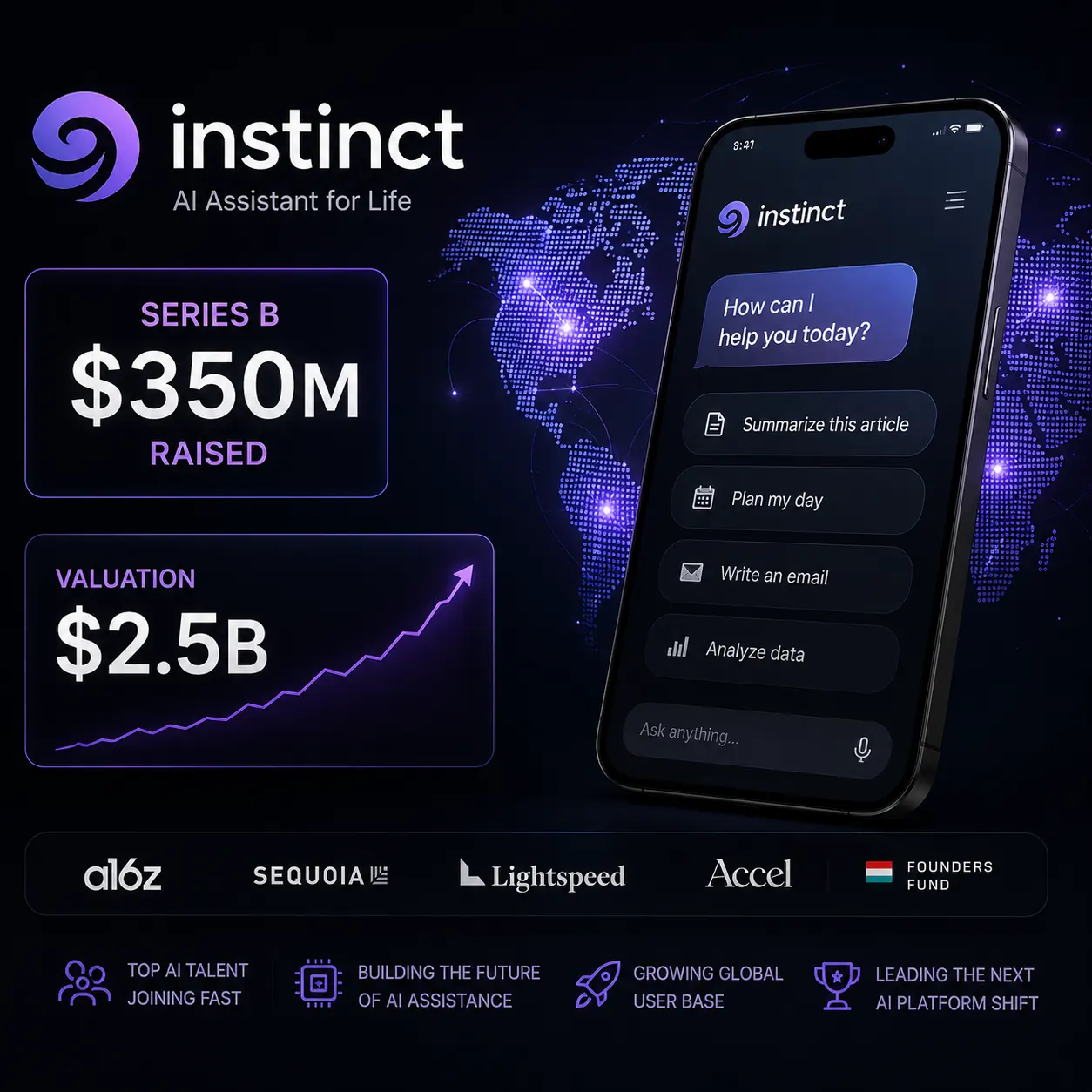 TECHNOLOGYInstinct AI Assistant Secures $350M Funding, Hits $2.5B Valuation in Record TimeFlipFileZone · Read Fullopen_in_new
 TECHNOLOGYXiaomi Unveils Xring Chip with TSMC Partnership, Redefining Its Global Hardware StrategyFlipFileZone · Read Fullopen_in_new
 TECHNOLOGYApple’s AI‑Powered Camera AirPods Could Launch in 2026, Not 2027FlipFileZone · Read Fullopen_in_new
chatPost a comment
Comments
0