 BUSINESSTECHNOLOGYMicrosoft Ignite 2026: Satya Nadella Puts AI Agents, Copilot and Enterprise Cloud at the Centre of Microsoft's Next Technology RevolutionFlipFileZone · Read Fullopen_in_new
The Evolution of AI Security: A Real-Time Revolution
As AI technology advances, its security is being tested and refined in real-world applications, leading to a significant shift in the way we approach AI security
FlipFileZone · TECHNOLOGY
shareShare this post






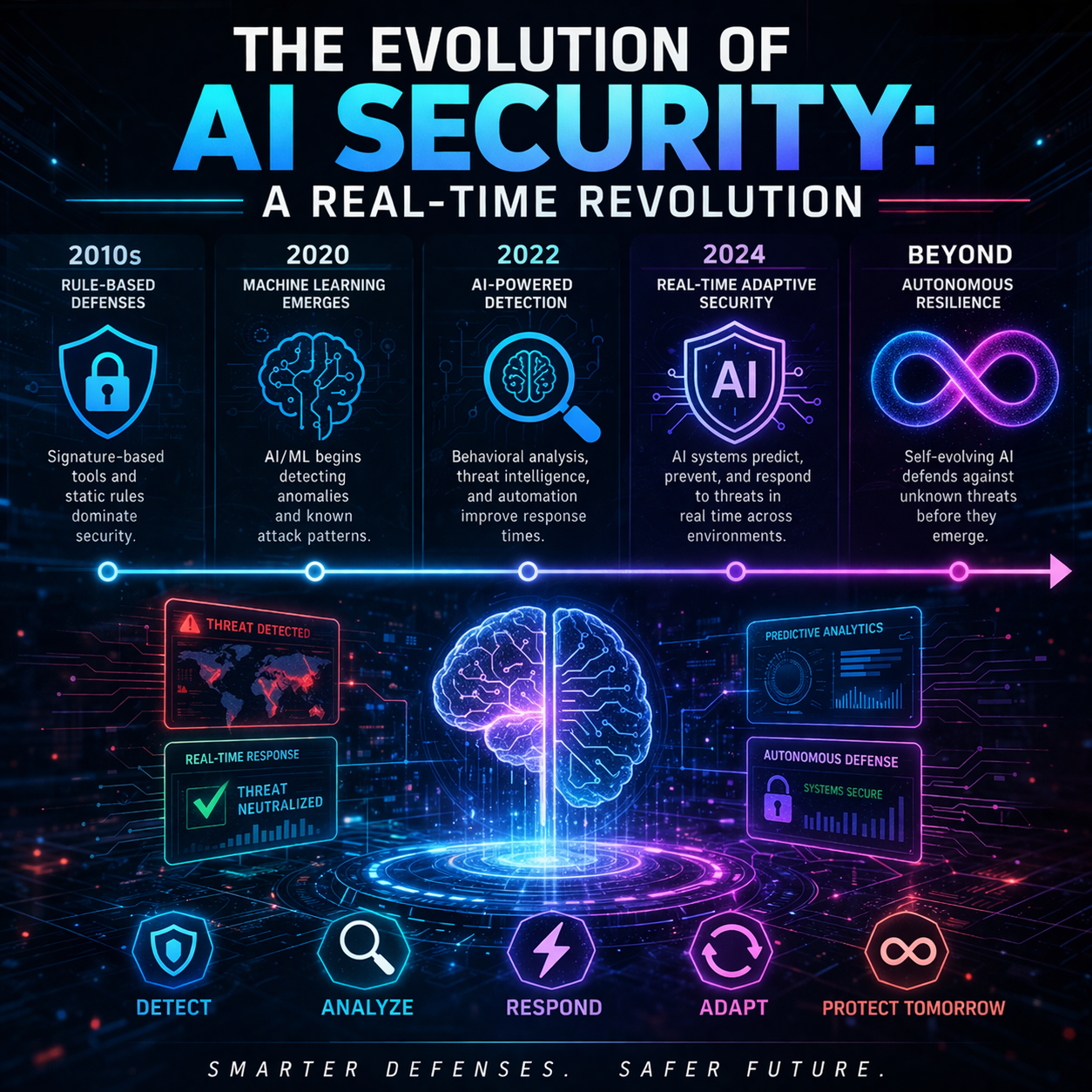
The Evolution of AI Security: A Real-Time Revolution
The rapid development and deployment of artificial intelligence (AI) have raised concerns about its security. As AI systems are increasingly being used in various industries, the need to ensure their security has become a top priority.
One of the primary challenges in securing AI systems is their complexity. AI models are often built using complex algorithms and large datasets, making it difficult to identify and mitigate potential security risks. However, as AI technology continues to evolve, we are seeing a significant shift in the way AI security is being approached.
The current state of AI security is characterized by a lack of standardization and regulation. While there are some guidelines and best practices available, the development and deployment of AI systems are largely unregulated. This has led to a situation where AI security is often an afterthought, with many organizations focusing on getting their AI systems up and running quickly, without fully considering the potential security risks.
Despite the challenges, there are many examples of AI security being successfully implemented in real-world applications. For instance, AI-powered security systems are being used to detect and prevent cyber attacks, while AI-driven incident response systems are being used to quickly respond to security breaches. Additionally, AI-based security information and event management (SIEM) systems are being used to monitor and analyze security-related data from various sources.
- AI-powered security systems for threat detection and prevention
- AI-driven incident response systems for rapid response to security breaches
- AI-based SIEM systems for security monitoring and analysis
As AI technology continues to evolve, we can expect to see significant advancements in AI security. One of the key areas of focus will be the development of more robust and secure AI models, which can withstand attacks and maintain their integrity. Additionally, there will be a greater emphasis on explainability and transparency in AI decision-making, which will help to build trust in AI systems.
In conclusion, AI security is being figured out in production right now, with many organizations and individuals working to develop and implement more secure AI systems. While there are still many challenges to be addressed, the future of AI security looks promising, with significant advancements on the horizon.
shareShare this post
recommendYou may also like
BUSINESSTECHNOLOGYMicrosoft Ignite 2026: Satya Nadella Puts AI Agents, Copilot and Enterprise Cloud at the Centre of Microsoft's Next Technology RevolutionFlipFileZone · Read Fullopen_in_new BUSINESSTECHNOLOGYChina Uses American AI Models to Train Domestic Rivals as US Chip Restrictions Intensify the Global Artificial Intelligence RaceFlipFileZone · Read Fullopen_in_new
 BUSINESSTECHNOLOGYNvidia Leadership Turmoil Raises Concerns Over AI Industry Financing as Investors Rethink the Future of the AI BoomFlipFileZone · Read Fullopen_in_new
 TECHNOLOGYGovernor Gulab Chand Kataria launches Shaheed Bhagat Singh Youth Facilitation Centre in LudhianaFlipFileZone · Read Fullopen_in_new
 TECHNOLOGYInstinct AI Assistant Secures $350M Funding, Hits $2.5B Valuation in Record TimeFlipFileZone · Read Fullopen_in_new
 TECHNOLOGYXiaomi Unveils Xring Chip with TSMC Partnership, Redefining Its Global Hardware StrategyFlipFileZone · Read Fullopen_in_new
 TECHNOLOGYApple’s AI‑Powered Camera AirPods Could Launch in 2026, Not 2027FlipFileZone · Read Fullopen_in_new
chatPost a comment
Comments
0