 BUSINESSTECHNOLOGYMicrosoft Ignite 2026: Satya Nadella Puts AI Agents, Copilot and Enterprise Cloud at the Centre of Microsoft's Next Technology RevolutionFlipFileZone · Read Fullopen_in_new
The Future of Humanity: Navigating the Complex World of Artificial Intelligence
As AI continues to advance and integrate into our daily lives, it's essential to consider the potential implications and consequences of this rapidly evolving technology on humanity and the world at large.
FlipFileZone · TECHNOLOGY
shareShare this post


The Future of Humanity: Navigating the Complex World of Artificial Intelligence
The world is on the cusp of a revolution, driven by the relentless pace of artificial intelligence (AI) development. From intelligent personal assistants to self-driving cars, AI is transforming the way we live, work, and interact with one another.
However, as AI becomes increasingly sophisticated, concerns about its impact on society, jobs, and human relationships are growing. In this blog post, we'll delve into the complex world of AI, exploring its benefits, drawbacks, and the potential consequences of creating intelligent machines that can think and act like humans.
To grasp the significance of AI, it's essential to understand what it entails. AI refers to the development of computer systems that can perform tasks that typically require human intelligence, such as learning, problem-solving, and decision-making.
- Machine learning: a subset of AI that involves training algorithms on data to enable them to make predictions or take actions.
- Natural language processing: a field of AI that focuses on enabling computers to understand, interpret, and generate human language.
- Computer vision: a discipline that deals with enabling computers to interpret and understand visual data from the world.
AI has the potential to bring about numerous benefits, including:
- Improved efficiency: AI can automate routine tasks, freeing up humans to focus on more complex and creative work.
- Enhanced decision-making: AI can analyze vast amounts of data, providing insights that can inform decision-making in areas like healthcare, finance, and education.
- Increased safety: AI-powered systems can monitor and respond to emergencies, such as natural disasters or medical crises, more quickly and effectively than humans.
However, AI also poses significant challenges and risks, including:
- Job displacement: as AI assumes routine tasks, there is a risk that many jobs will become obsolete, leading to unemployment and social unrest.
- Bias and discrimination: AI systems can perpetuate and even amplify existing biases and discriminatory practices, particularly if they are trained on biased data.
- Loss of human connection: as AI becomes more prevalent, there is a risk that humans will become increasingly isolated and disconnected from one another.
Ultimately, the future of humanity in a world with AI will depend on our ability to navigate these complex issues and create a future where AI enhances human life without compromising our values, relationships, or dignity.
shareShare this post
recommendYou may also like
BUSINESSTECHNOLOGYMicrosoft Ignite 2026: Satya Nadella Puts AI Agents, Copilot and Enterprise Cloud at the Centre of Microsoft's Next Technology RevolutionFlipFileZone · Read Fullopen_in_new BUSINESSTECHNOLOGYChina Uses American AI Models to Train Domestic Rivals as US Chip Restrictions Intensify the Global Artificial Intelligence RaceFlipFileZone · Read Fullopen_in_new
 BUSINESSTECHNOLOGYNvidia Leadership Turmoil Raises Concerns Over AI Industry Financing as Investors Rethink the Future of the AI BoomFlipFileZone · Read Fullopen_in_new
 TECHNOLOGYGovernor Gulab Chand Kataria launches Shaheed Bhagat Singh Youth Facilitation Centre in LudhianaFlipFileZone · Read Fullopen_in_new
 TECHNOLOGYInstinct AI Assistant Secures $350M Funding, Hits $2.5B Valuation in Record TimeFlipFileZone · Read Fullopen_in_new
 TECHNOLOGYXiaomi Unveils Xring Chip with TSMC Partnership, Redefining Its Global Hardware StrategyFlipFileZone · Read Fullopen_in_new
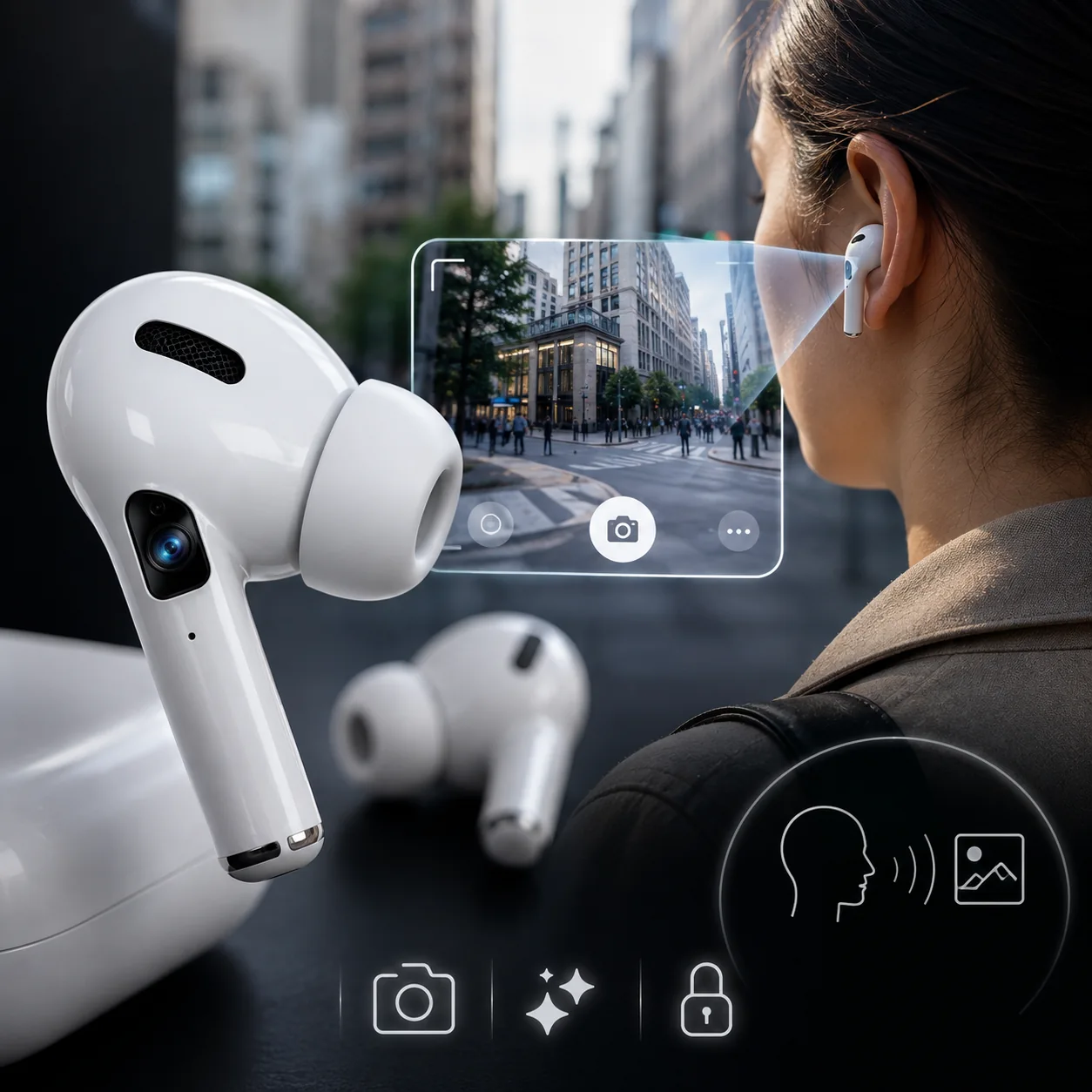 TECHNOLOGYApple’s AI‑Powered Camera AirPods Could Launch in 2026, Not 2027FlipFileZone · Read Fullopen_in_new
chatPost a comment
Comments
0