 BUSINESSTECHNOLOGYMicrosoft Ignite 2026: Satya Nadella Puts AI Agents, Copilot and Enterprise Cloud at the Centre of Microsoft's Next Technology RevolutionFlipFileZone · Read Fullopen_in_new
The Future of Radiology: Can AI Replace Human Experts?
The CEO of America's largest public hospital system has expressed his readiness to replace radiologists with AI, sparking a debate about the role of artificial intelligence in healthcare
FlipFileZone · TECHNOLOGY
shareShare this post






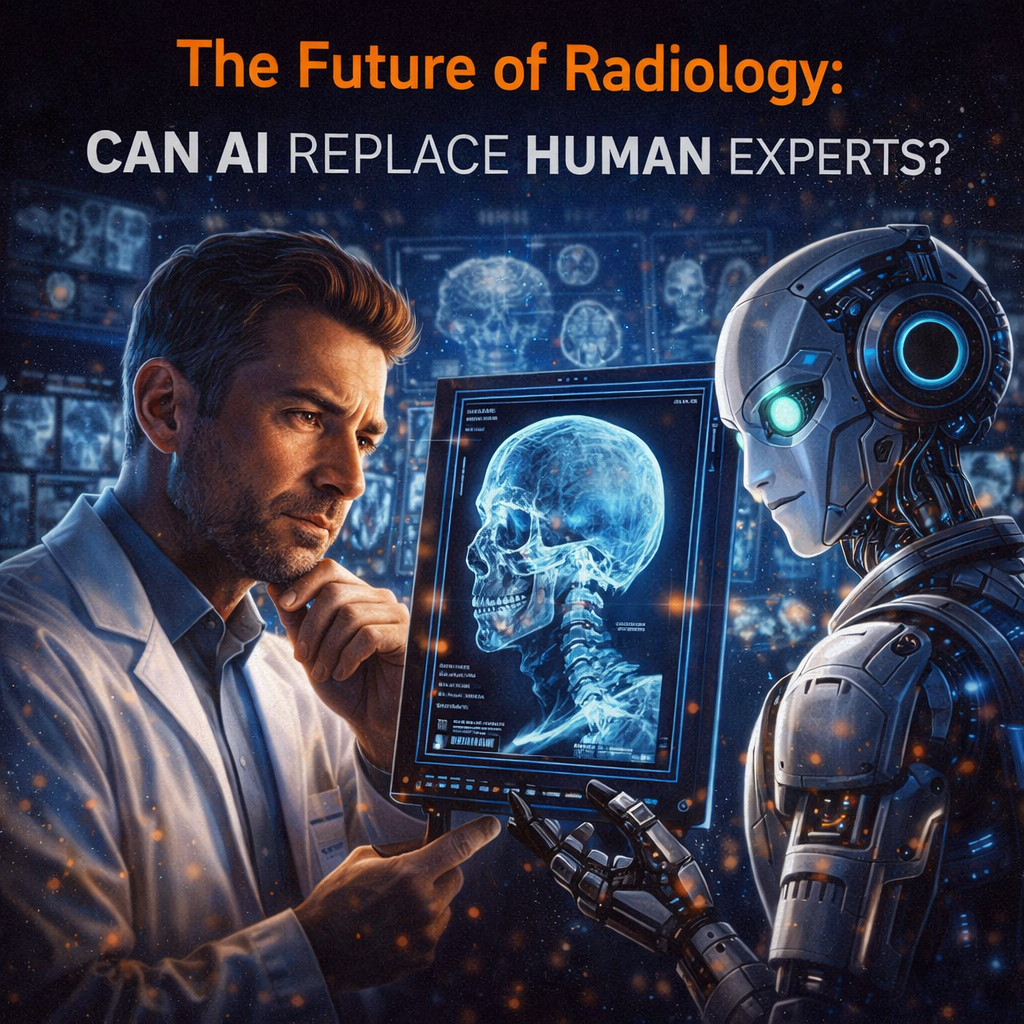
The Future of Radiology: Can AI Replace Human Experts?
The CEO of America's largest public hospital system has made a bold statement, saying he is ready to replace radiologists with artificial intelligence (AI). This announcement has sent shockwaves throughout the medical community, with many experts weighing in on the potential benefits and drawbacks of such a move.
On one hand, AI has made tremendous progress in recent years, with machine learning algorithms becoming increasingly adept at analyzing medical images and diagnosing diseases. In fact, some studies have shown that AI can be just as accurate as human radiologists in certain tasks, such as detecting breast cancer from mammography images.
However, others argue that replacing human radiologists with AI is not a simple matter of swapping one for the other. Radiologists bring a level of expertise and nuance to their work that AI systems currently lack, and there are concerns about the potential consequences of relying solely on machines to diagnose and treat patients.
There are several potential benefits to using AI in radiology, including:
- Increased efficiency: AI can analyze images much faster than human radiologists, allowing for quicker diagnosis and treatment.
- Improved accuracy: AI can detect patterns and anomalies that may be missed by human radiologists, potentially leading to more accurate diagnoses.
- Cost savings: Replacing human radiologists with AI could potentially save hospitals and healthcare systems millions of dollars in labor costs.
Despite the potential benefits, there are also several challenges and limitations to using AI in radiology, including:
- Lack of standardization: There is currently no standard for AI systems in radiology, making it difficult to compare and evaluate different systems.
- Regulatory issues: There are concerns about the regulatory framework surrounding the use of AI in radiology, including issues related to liability and patient safety.
- Human oversight: While AI can analyze images quickly and accurately, human oversight is still necessary to ensure that diagnoses are accurate and appropriate.
Ultimately, the decision to replace radiologists with AI will depend on a careful consideration of the potential benefits and drawbacks. While AI has the potential to revolutionize the field of radiology, it is not a replacement for human expertise and judgment.
shareShare this post
recommendYou may also like
BUSINESSTECHNOLOGYMicrosoft Ignite 2026: Satya Nadella Puts AI Agents, Copilot and Enterprise Cloud at the Centre of Microsoft's Next Technology RevolutionFlipFileZone · Read Fullopen_in_new BUSINESSTECHNOLOGYChina Uses American AI Models to Train Domestic Rivals as US Chip Restrictions Intensify the Global Artificial Intelligence RaceFlipFileZone · Read Fullopen_in_new
 BUSINESSTECHNOLOGYNvidia Leadership Turmoil Raises Concerns Over AI Industry Financing as Investors Rethink the Future of the AI BoomFlipFileZone · Read Fullopen_in_new
 TECHNOLOGYGovernor Gulab Chand Kataria launches Shaheed Bhagat Singh Youth Facilitation Centre in LudhianaFlipFileZone · Read Fullopen_in_new
 TECHNOLOGYInstinct AI Assistant Secures $350M Funding, Hits $2.5B Valuation in Record TimeFlipFileZone · Read Fullopen_in_new
 TECHNOLOGYXiaomi Unveils Xring Chip with TSMC Partnership, Redefining Its Global Hardware StrategyFlipFileZone · Read Fullopen_in_new
 TECHNOLOGYApple’s AI‑Powered Camera AirPods Could Launch in 2026, Not 2027FlipFileZone · Read Fullopen_in_new
chatPost a comment
Comments
0