 BUSINESSTECHNOLOGYMicrosoft Ignite 2026: Satya Nadella Puts AI Agents, Copilot and Enterprise Cloud at the Centre of Microsoft's Next Technology RevolutionFlipFileZone · Read Fullopen_in_new
The Misconception of AI Control: Why a Supervisor or Manager Agent is Not the Answer
The concept of using a supervisor or manager agent to control AI systems is fundamentally flawed, and this approach can lead to unintended consequences and undermine the potential benefits of AI.
FlipFileZone · TECHNOLOGY
shareShare this post


The Misconception of AI Control: Why a Supervisor or Manager Agent is Not the Answer
The development of artificial intelligence (AI) has sparked intense debate about the best way to control and regulate these complex systems. One approach that has gained significant attention is the use of a supervisor or manager agent, which is essentially a higher-level AI system designed to oversee and direct the actions of other AI agents. However, this approach is misguided and can have far-reaching consequences.
At its core, the concept of a supervisor or manager agent is based on a hierarchical structure, where a higher-level AI system is responsible for making decisions and controlling the actions of lower-level AI agents. This approach is often referred to as a top-down control mechanism, where the supervisor or manager agent has complete authority over the other AI agents.
There are several limitations to using a supervisor or manager agent to control AI systems. Firstly, this approach assumes that the supervisor or manager agent has complete knowledge and understanding of the complex systems it is controlling. However, in reality, AI systems are often complex and dynamic, making it difficult for a single agent to have complete knowledge and understanding.
- Lack of transparency: The use of a supervisor or manager agent can lead to a lack of transparency, as the decision-making process is often opaque and difficult to understand.
- Limited flexibility: The hierarchical structure of a supervisor or manager agent can limit the flexibility of the AI system, as the lower-level agents are restricted to following the instructions of the higher-level agent.
- Vulnerability to bias: The supervisor or manager agent can be vulnerable to bias, as the decisions made by the agent can reflect the biases and prejudices of its creators.
Rather than relying on a supervisor or manager agent, alternative approaches to AI control focus on creating more decentralized and autonomous systems. These approaches prioritize transparency, flexibility, and accountability, and are designed to mitigate the risks associated with AI.
- Decentralized decision-making: Decentralized decision-making approaches empower individual AI agents to make decisions based on their own capabilities and knowledge, rather than relying on a central authority.
- Transparent decision-making: Transparent decision-making approaches prioritize openness and explainability, making it easier to understand how AI decisions are made.
- Human oversight: Human oversight approaches recognize the importance of human judgment and oversight in AI decision-making, and are designed to provide a check on the actions of AI systems.
In conclusion, the use of a supervisor or manager agent to control AI systems is not the answer. Instead, we need to develop alternative approaches that prioritize transparency, flexibility, and accountability, and recognize the importance of human judgment and oversight.
shareShare this post
recommendYou may also like
BUSINESSTECHNOLOGYMicrosoft Ignite 2026: Satya Nadella Puts AI Agents, Copilot and Enterprise Cloud at the Centre of Microsoft's Next Technology RevolutionFlipFileZone · Read Fullopen_in_new BUSINESSTECHNOLOGYChina Uses American AI Models to Train Domestic Rivals as US Chip Restrictions Intensify the Global Artificial Intelligence RaceFlipFileZone · Read Fullopen_in_new
 BUSINESSTECHNOLOGYNvidia Leadership Turmoil Raises Concerns Over AI Industry Financing as Investors Rethink the Future of the AI BoomFlipFileZone · Read Fullopen_in_new
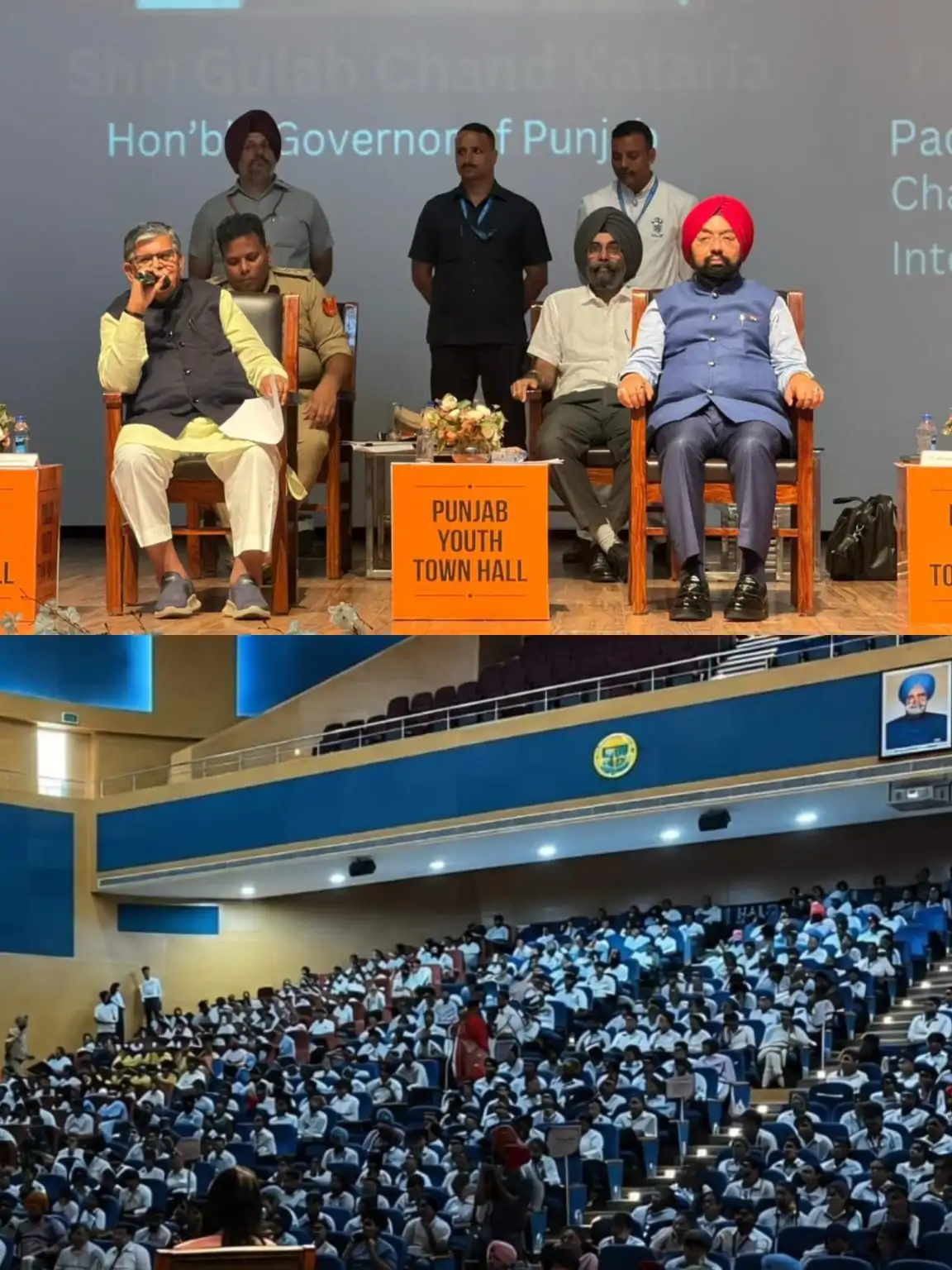 TECHNOLOGYGovernor Gulab Chand Kataria launches Shaheed Bhagat Singh Youth Facilitation Centre in LudhianaFlipFileZone · Read Fullopen_in_new
 TECHNOLOGYInstinct AI Assistant Secures $350M Funding, Hits $2.5B Valuation in Record TimeFlipFileZone · Read Fullopen_in_new
 TECHNOLOGYXiaomi Unveils Xring Chip with TSMC Partnership, Redefining Its Global Hardware StrategyFlipFileZone · Read Fullopen_in_new
 TECHNOLOGYApple’s AI‑Powered Camera AirPods Could Launch in 2026, Not 2027FlipFileZone · Read Fullopen_in_new
chatPost a comment
Comments
0