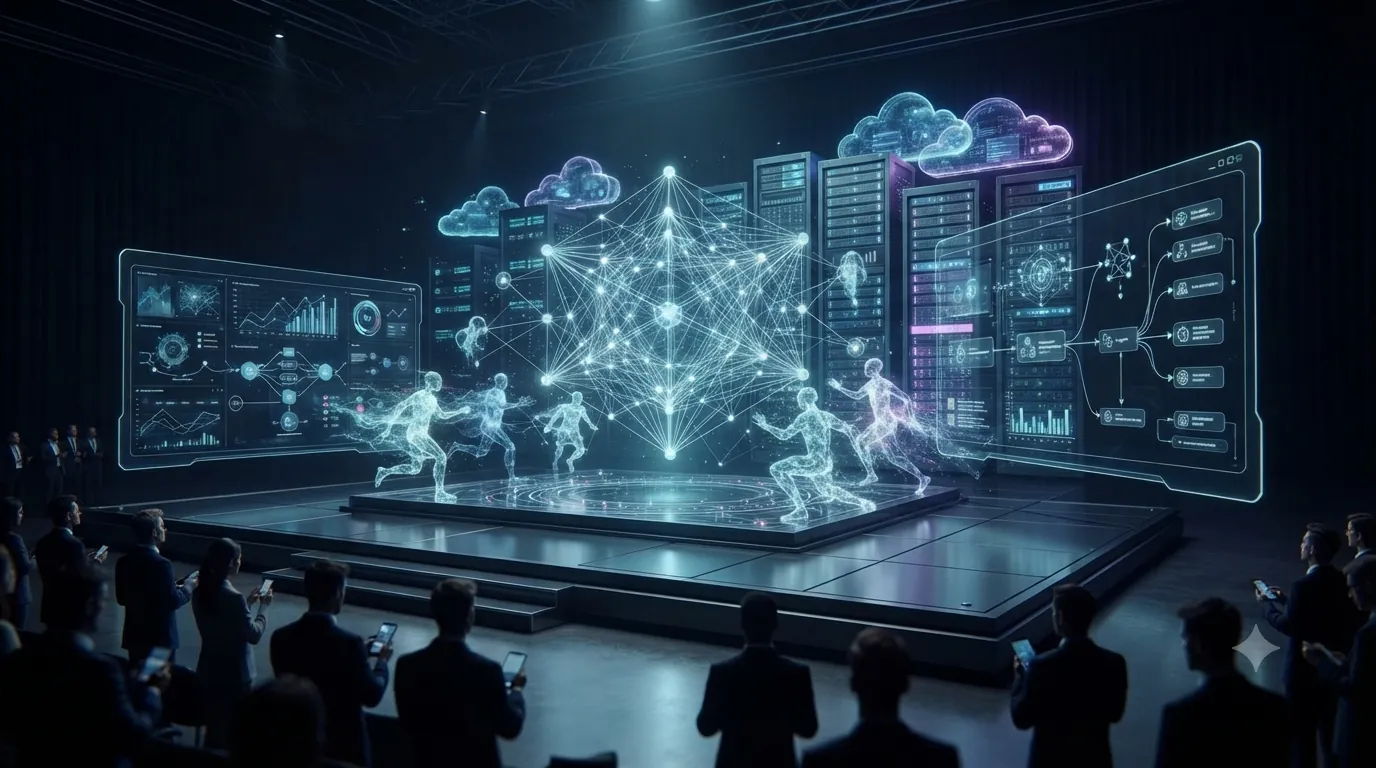
 BUSINESSTECHNOLOGYMicrosoft Ignite 2026: Satya Nadella Puts AI Agents, Copilot and Enterprise Cloud at the Centre of Microsoft's Next Technology RevolutionFlipFileZone · Read Fullopen_in_new
The PC Industry's Shift Towards a Rental Model: A Threat to Consumer Freedom
The PC industry is moving towards a rental model, where consumers are encouraged to lease devices instead of buying them outright, sparking concerns about ownership and freedom
FlipFileZone · TECHNOLOGY
shareShare this post


The PC Industry's Shift Towards a Rental Model: A Threat to Consumer Freedom
The PC industry is undergoing a significant shift in its business model, with many manufacturers now promoting a rental or subscription-based service for their devices. This trend has sparked concerns among consumers and industry experts, who argue that it threatens the traditional notion of ownership and freedom. Framework CEO, Nirav Patel, has spoken out against this trend, saying that the industry is essentially asking consumers to 'own nothing and be happy.'
According to Patel, this shift towards a rental model is driven by the industry's desire to generate recurring revenue and exert more control over the devices and software used by consumers. This approach raises important questions about the future of the PC industry and the impact it will have on consumers.
There are several factors driving the shift towards a rental model in the PC industry. One of the main reasons is the desire to generate recurring revenue. By leasing devices instead of selling them outright, manufacturers can create a steady stream of income and reduce their reliance on one-time sales.
- Recurring revenue streams
- Increased control over devices and software
- Reduced production costs
The implications of this shift towards a rental model are significant for consumers. For one, it raises important questions about ownership and freedom. If consumers are no longer able to purchase devices outright, they may be forced to rely on manufacturers for access to the technology they need.
Furthermore, a rental model could also limit consumer choice and flexibility. With a leased device, consumers may be locked into a specific contract or agreement, which could restrict their ability to upgrade or modify their device as they see fit.
- Limited ownership and control
- Reduced consumer choice and flexibility
- Potential for increased costs
shareShare this post
recommendYou may also like
BUSINESSTECHNOLOGYMicrosoft Ignite 2026: Satya Nadella Puts AI Agents, Copilot and Enterprise Cloud at the Centre of Microsoft's Next Technology RevolutionFlipFileZone · Read Fullopen_in_new BUSINESSTECHNOLOGYChina Uses American AI Models to Train Domestic Rivals as US Chip Restrictions Intensify the Global Artificial Intelligence RaceFlipFileZone · Read Fullopen_in_new
 BUSINESSTECHNOLOGYNvidia Leadership Turmoil Raises Concerns Over AI Industry Financing as Investors Rethink the Future of the AI BoomFlipFileZone · Read Fullopen_in_new
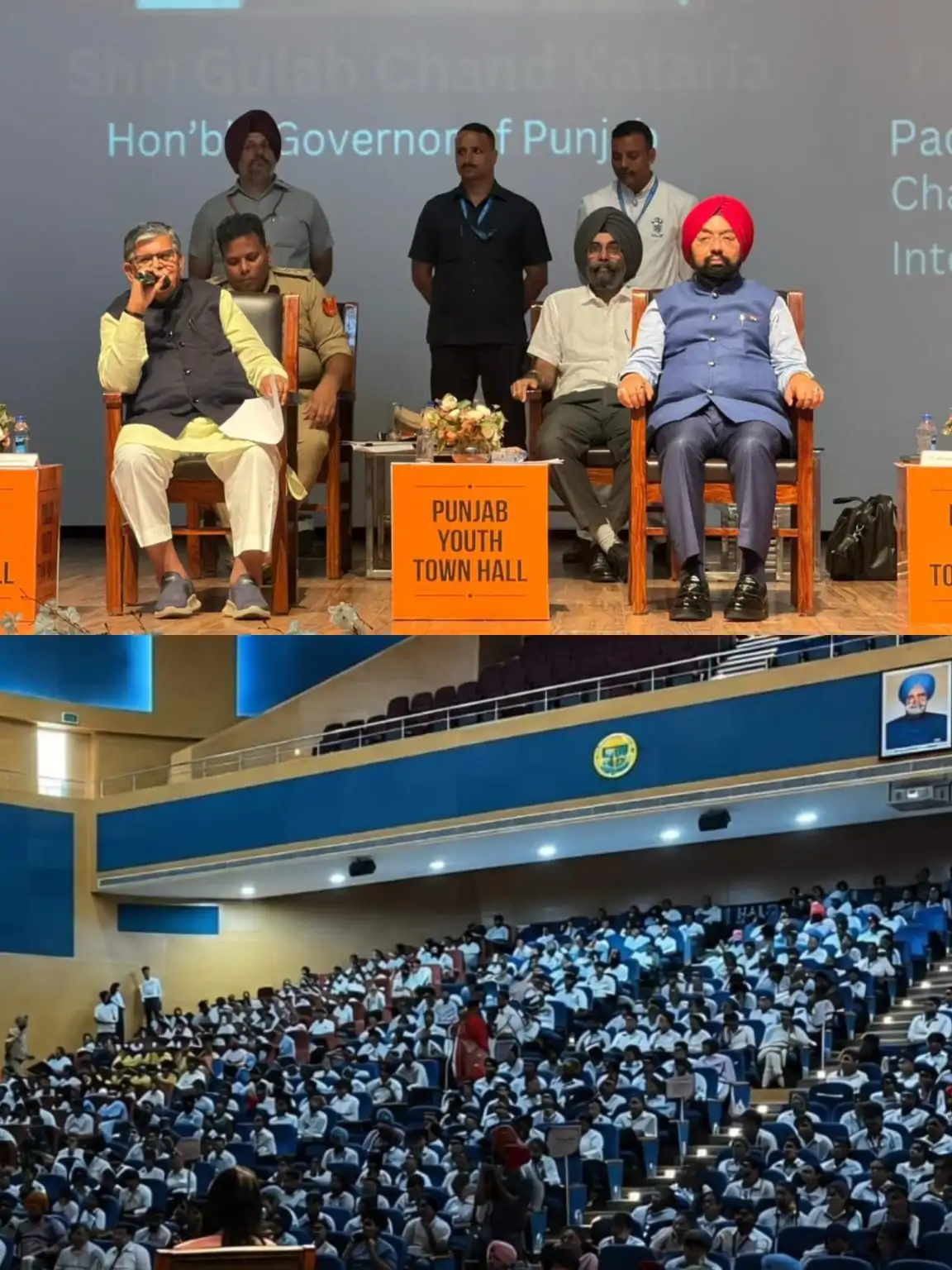 TECHNOLOGYGovernor Gulab Chand Kataria launches Shaheed Bhagat Singh Youth Facilitation Centre in LudhianaFlipFileZone · Read Fullopen_in_new
 TECHNOLOGYInstinct AI Assistant Secures $350M Funding, Hits $2.5B Valuation in Record TimeFlipFileZone · Read Fullopen_in_new
 TECHNOLOGYXiaomi Unveils Xring Chip with TSMC Partnership, Redefining Its Global Hardware StrategyFlipFileZone · Read Fullopen_in_new
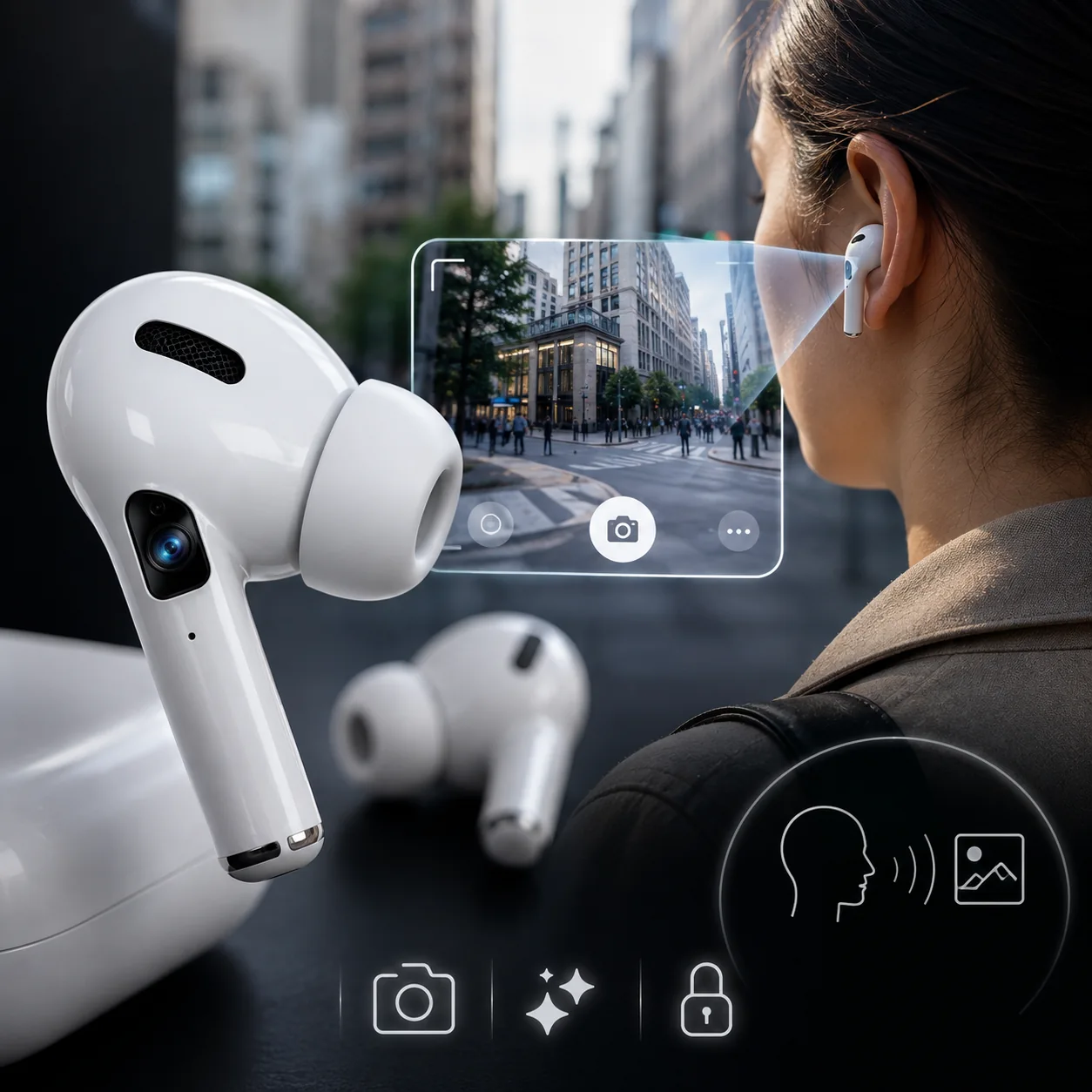 TECHNOLOGYApple’s AI‑Powered Camera AirPods Could Launch in 2026, Not 2027FlipFileZone · Read Fullopen_in_new
chatPost a comment
Comments
0