 BUSINESSTECHNOLOGYMicrosoft Ignite 2026: Satya Nadella Puts AI Agents, Copilot and Enterprise Cloud at the Centre of Microsoft's Next Technology RevolutionFlipFileZone · Read Fullopen_in_new
The Real Threat to Humanity: Understanding the Pattern of Delayed Harm Intervention
The threat to humanity is not artificial intelligence, but rather our own pattern of delayed intervention in the face of harm, which can have devastating consequences if left unchecked
FlipFileZone · TECHNOLOGY
shareShare this post


The Real Threat to Humanity: Understanding the Pattern of Delayed Harm Intervention
Humanity has a long history of delaying intervention in the face of harm, often with severe consequences. This pattern of behavior is not unique to any one issue, but rather a pervasive trend that affects many areas of our lives.
From climate change to economic inequality, we often wait until the last minute to address the problems that threaten our well-being. This delayed intervention can have devastating consequences, including loss of life, destruction of property, and long-term damage to our planet.
The Problem of Delayed Intervention
So, why do we delay intervention in the face of harm? There are many reasons, including lack of awareness, lack of resources, and lack of political will. However, one of the main reasons is our tendency to prioritize short-term gains over long-term consequences.
- We often focus on immediate benefits, such as economic growth or political power, without considering the potential long-term costs.
- We may also be hesitant to take action due to fear of uncertainty or fear of change.
- Additionally, we may be influenced by special interest groups or powerful individuals who prioritize their own interests over the greater good.
The Consequences of Delayed Intervention
The consequences of delayed intervention can be severe. For example, climate change is one of the most pressing issues of our time, and yet we have delayed taking action for decades. As a result, we are now facing more frequent and severe natural disasters, rising sea levels, and unpredictable weather patterns.
Similarly, economic inequality is a major problem that has been growing for years, and yet we have failed to take adequate action to address it. As a result, we are now seeing widespread poverty, homelessness, and social unrest.
The Solution: Early Intervention and Prevention
So, what can we do to break this pattern of delayed intervention? The answer is simple: we must prioritize early intervention and prevention. This means taking action before problems become severe, rather than waiting until the last minute.
- We must invest in education and awareness-raising campaigns to inform people about the importance of addressing harm.
- We must also invest in research and development to find new solutions to old problems.
- Additionally, we must create policies and laws that prioritize the greater good over special interests.
In conclusion, the threat to humanity is not artificial intelligence, but rather our own pattern of delayed harm intervention. By prioritizing early intervention and prevention, we can reduce the risk of devastating consequences and create a better future for ourselves and for generations to come.
shareShare this post
recommendYou may also like
BUSINESSTECHNOLOGYMicrosoft Ignite 2026: Satya Nadella Puts AI Agents, Copilot and Enterprise Cloud at the Centre of Microsoft's Next Technology RevolutionFlipFileZone · Read Fullopen_in_new BUSINESSTECHNOLOGYChina Uses American AI Models to Train Domestic Rivals as US Chip Restrictions Intensify the Global Artificial Intelligence RaceFlipFileZone · Read Fullopen_in_new
 BUSINESSTECHNOLOGYNvidia Leadership Turmoil Raises Concerns Over AI Industry Financing as Investors Rethink the Future of the AI BoomFlipFileZone · Read Fullopen_in_new
 TECHNOLOGYGovernor Gulab Chand Kataria launches Shaheed Bhagat Singh Youth Facilitation Centre in LudhianaFlipFileZone · Read Fullopen_in_new
 TECHNOLOGYInstinct AI Assistant Secures $350M Funding, Hits $2.5B Valuation in Record TimeFlipFileZone · Read Fullopen_in_new
 TECHNOLOGYXiaomi Unveils Xring Chip with TSMC Partnership, Redefining Its Global Hardware StrategyFlipFileZone · Read Fullopen_in_new
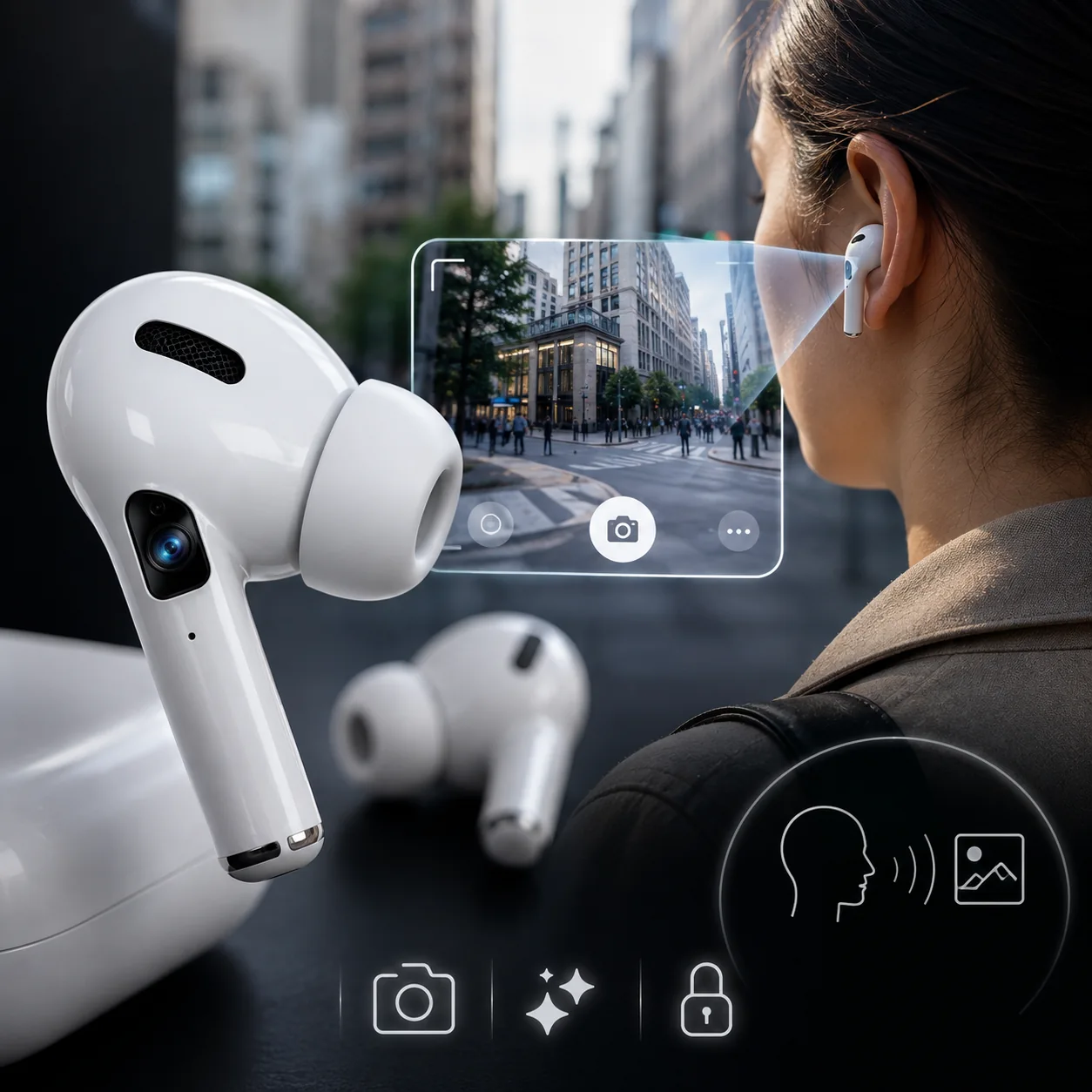 TECHNOLOGYApple’s AI‑Powered Camera AirPods Could Launch in 2026, Not 2027FlipFileZone · Read Fullopen_in_new
chatPost a comment
Comments
0