 BUSINESSTECHNOLOGYMicrosoft Ignite 2026: Satya Nadella Puts AI Agents, Copilot and Enterprise Cloud at the Centre of Microsoft's Next Technology RevolutionFlipFileZone · Read Fullopen_in_new
The Responsible Use of Artificial Intelligence: A Guide
As AI technology advances, it's essential to understand how to use it properly and ethically. This guide provides insights into the benefits and risks of AI and offers tips on how to harness its potential while minimizing its negative impacts.
FlipFileZone · TECHNOLOGY
shareShare this post






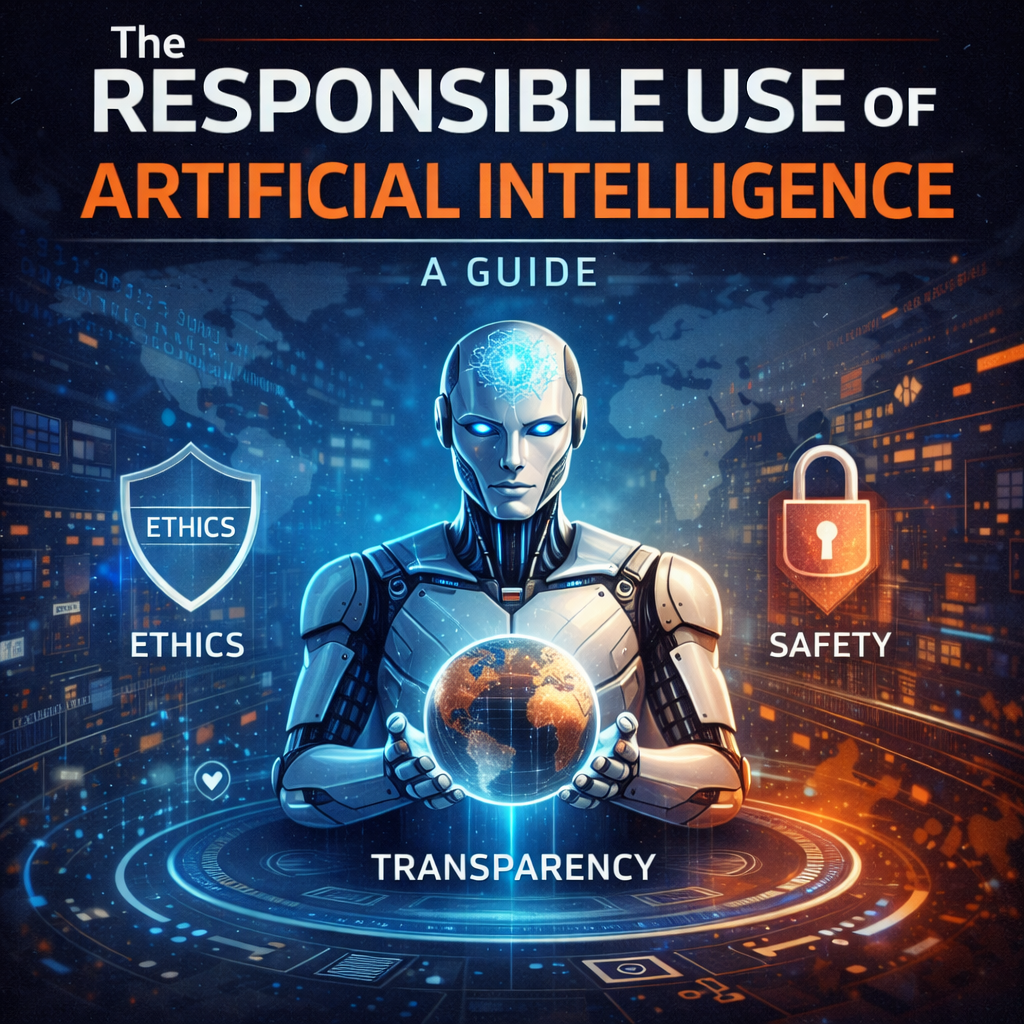
The Responsible Use of Artificial Intelligence: A Guide
Artificial intelligence (AI) has become an integral part of our daily lives, transforming the way we work, communicate, and interact with each other. However, as AI technology continues to evolve, it's crucial to use it responsibly and with caution.
One of the primary concerns surrounding AI is its potential to displace human workers, particularly in industries where tasks are repetitive or can be easily automated. Nevertheless, AI can also augment human capabilities, freeing us up to focus on more complex and creative tasks.
The benefits of AI are numerous, ranging from improved efficiency and productivity to enhanced decision-making and problem-solving. AI-powered systems can analyze vast amounts of data, identify patterns, and provide insights that would be impossible for humans to detect on their own.
- Automation of routine tasks
- Enhanced customer service through chatbots and virtual assistants
- Improved predictive maintenance and quality control
- Personalized recommendations and content curation
Despite its many benefits, AI also poses significant risks and challenges, including job displacement, bias and discrimination, and cybersecurity threats. As AI systems become more autonomous, there is a growing need for transparency, accountability, and regulation.
- Data privacy and security concerns
- Algorithmic bias and fairness
- Job displacement and workforce disruption
- Cybersecurity risks and vulnerabilities
To use AI properly, it's essential to follow best practices that prioritize transparency, accountability, and human oversight. This includes:
- Developing and deploying AI systems that are fair, transparent, and explainable
- Implementing robust testing and validation procedures
- Ensuring human oversight and review of AI-driven decisions
- Providing training and education for workers who will be impacted by AI
shareShare this post
recommendYou may also like
BUSINESSTECHNOLOGYMicrosoft Ignite 2026: Satya Nadella Puts AI Agents, Copilot and Enterprise Cloud at the Centre of Microsoft's Next Technology RevolutionFlipFileZone · Read Fullopen_in_new BUSINESSTECHNOLOGYChina Uses American AI Models to Train Domestic Rivals as US Chip Restrictions Intensify the Global Artificial Intelligence RaceFlipFileZone · Read Fullopen_in_new
 BUSINESSTECHNOLOGYNvidia Leadership Turmoil Raises Concerns Over AI Industry Financing as Investors Rethink the Future of the AI BoomFlipFileZone · Read Fullopen_in_new
 TECHNOLOGYGovernor Gulab Chand Kataria launches Shaheed Bhagat Singh Youth Facilitation Centre in LudhianaFlipFileZone · Read Fullopen_in_new
 TECHNOLOGYInstinct AI Assistant Secures $350M Funding, Hits $2.5B Valuation in Record TimeFlipFileZone · Read Fullopen_in_new
 TECHNOLOGYXiaomi Unveils Xring Chip with TSMC Partnership, Redefining Its Global Hardware StrategyFlipFileZone · Read Fullopen_in_new
 TECHNOLOGYApple’s AI‑Powered Camera AirPods Could Launch in 2026, Not 2027FlipFileZone · Read Fullopen_in_new
chatPost a comment
Comments
0