 BUSINESSTECHNOLOGYMicrosoft Ignite 2026: Satya Nadella Puts AI Agents, Copilot and Enterprise Cloud at the Centre of Microsoft's Next Technology RevolutionFlipFileZone · Read Fullopen_in_new
The Unintended Consequences of Anti-Cheating Measures: How Students are Turning to AI
In an effort to prevent cheating, schools are inadvertently encouraging students to use AI tools to write poorly, raising concerns about the impact on writing skills and academic integrity
FlipFileZone · TECHNOLOGY
shareShare this post


The Unintended Consequences of Anti-Cheating Measures: How Students are Turning to AI
The push to prevent academic cheating has led to a surprising consequence: students are being encouraged to write poorly in order to prove they are not robots. This trend has sparked a heated debate about the role of technology in education and the importance of teaching students to write well.
Proponents of this approach argue that it is necessary to prevent cheating and ensure that students are doing their own work. However, critics argue that it is having the opposite effect, as students are turning to AI tools to help them write poorly and avoid detection.
Some of the ways that students are using AI to write poorly include using language generation tools to create mediocre essays and grammar and spell check tools to introduce errors into their work. This has led to a situation in which students are being rewarded for producing subpar writing, rather than being encouraged to improve their skills.
The impact of this trend on writing skills is a major concern. If students are not being taught to write well, they will struggle to communicate effectively in their future careers. This could have serious consequences, as good writing skills are essential for success in many fields.
Furthermore, the use of AI tools to write poorly is also having an impact on academic integrity. If students are using AI to cheat, it undermines the value of their degrees and creates an unfair advantage over their peers.
Rather than encouraging students to write poorly, schools should be focusing on teaching them to write well. This could involve providing additional support and resources for students who struggle with writing, as well as encouraging students to use AI tools in a more positive way.
- Providing writing workshops and tutorials to help students improve their skills
- Encouraging students to use AI tools to help them with research and organization, rather than relying on them to generate content
- Implementing authentic assessment methods that focus on the process of learning, rather than just the final product
By taking a more nuanced approach to preventing cheating and promoting academic integrity, schools can help students develop the writing skills they need to succeed, while also reducing the incentives for them to use AI tools to cheat.
shareShare this post
recommendYou may also like
BUSINESSTECHNOLOGYMicrosoft Ignite 2026: Satya Nadella Puts AI Agents, Copilot and Enterprise Cloud at the Centre of Microsoft's Next Technology RevolutionFlipFileZone · Read Fullopen_in_new BUSINESSTECHNOLOGYChina Uses American AI Models to Train Domestic Rivals as US Chip Restrictions Intensify the Global Artificial Intelligence RaceFlipFileZone · Read Fullopen_in_new
 BUSINESSTECHNOLOGYNvidia Leadership Turmoil Raises Concerns Over AI Industry Financing as Investors Rethink the Future of the AI BoomFlipFileZone · Read Fullopen_in_new
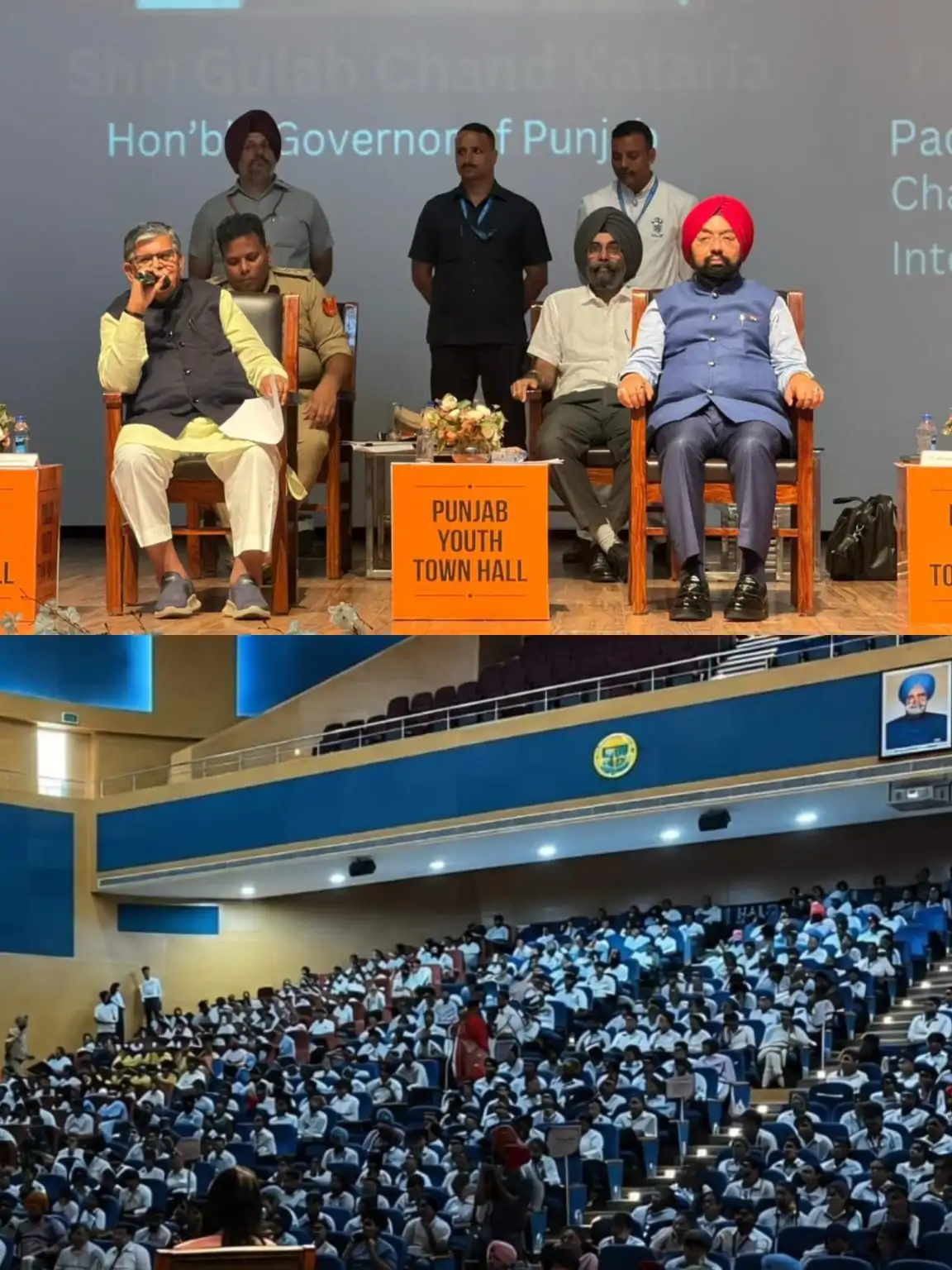 TECHNOLOGYGovernor Gulab Chand Kataria launches Shaheed Bhagat Singh Youth Facilitation Centre in LudhianaFlipFileZone · Read Fullopen_in_new
 TECHNOLOGYInstinct AI Assistant Secures $350M Funding, Hits $2.5B Valuation in Record TimeFlipFileZone · Read Fullopen_in_new
 TECHNOLOGYXiaomi Unveils Xring Chip with TSMC Partnership, Redefining Its Global Hardware StrategyFlipFileZone · Read Fullopen_in_new
 TECHNOLOGYApple’s AI‑Powered Camera AirPods Could Launch in 2026, Not 2027FlipFileZone · Read Fullopen_in_new
chatPost a comment
Comments
0