 BUSINESSTECHNOLOGYMicrosoft Ignite 2026: Satya Nadella Puts AI Agents, Copilot and Enterprise Cloud at the Centre of Microsoft's Next Technology RevolutionFlipFileZone · Read Fullopen_in_new
The Unsettling Truth Behind Waymo's Autopilot Technology
Waymo, a leading autonomous vehicle company, has made a shocking admission about its autopilot system, revealing that human operators from the Philippines are often behind the wheel
FlipFileZone · TECHNOLOGY
shareShare this post






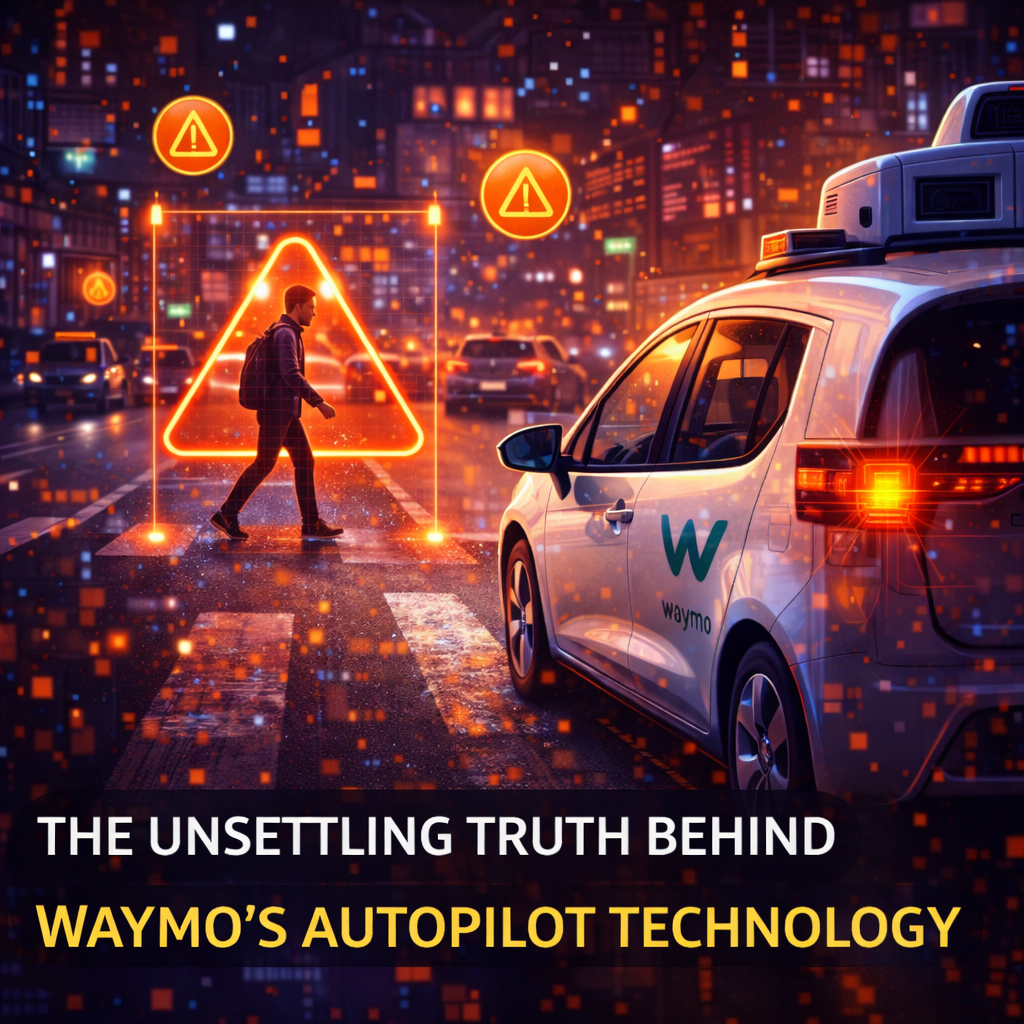
The Unsettling Truth Behind Waymo's Autopilot Technology
Waymo, a pioneer in the development of autonomous vehicles, has recently made a surprising revelation about its autopilot technology. In a move that has left many in the tech industry stunned, the company has admitted that its self-driving cars are not always driven by artificial intelligence, but rather by human operators located in the Philippines.
This shocking truth has raised several questions about the safety and reliability of autonomous vehicles. The use of human operators to control self-driving cars from a remote location has sparked concerns about the potential risks and consequences of such a system.
The Technology Behind Waymo's Autopilot
Waymo's autopilot system is designed to navigate through complex road networks and traffic scenarios without human intervention. However, the company has now revealed that human operators are often required to take control of the vehicle in certain situations. These operators, who are based in the Philippines, use a combination of cameras, sensors, and mapping data to control the vehicle remotely.
Concerns About Safety and Reliability
The use of human operators to control self-driving cars has raised several concerns about safety and reliability. One of the main concerns is that human operators may not be able to react quickly enough to emergency situations, which could result in accidents. Additionally, there are concerns about the potential for human error, which could also lead to accidents.
- Safety risks associated with remote operation of self-driving cars
- Potential for human error
- Concerns about the reliability of the autopilot system
Implications of Waymo's Admission
Waymo's admission has significant implications for the development of autonomous vehicles. The use of human operators to control self-driving cars highlights the limitations of current autopilot technology and the need for further research and development. It also raises questions about the regulatory framework surrounding autonomous vehicles and the need for clearer guidelines on the use of human operators.
- Limitations of current autopilot technology
- Need for further research and development
- Regulatory framework surrounding autonomous vehicles
shareShare this post
recommendYou may also like
BUSINESSTECHNOLOGYMicrosoft Ignite 2026: Satya Nadella Puts AI Agents, Copilot and Enterprise Cloud at the Centre of Microsoft's Next Technology RevolutionFlipFileZone · Read Fullopen_in_new BUSINESSTECHNOLOGYChina Uses American AI Models to Train Domestic Rivals as US Chip Restrictions Intensify the Global Artificial Intelligence RaceFlipFileZone · Read Fullopen_in_new
 BUSINESSTECHNOLOGYNvidia Leadership Turmoil Raises Concerns Over AI Industry Financing as Investors Rethink the Future of the AI BoomFlipFileZone · Read Fullopen_in_new
 TECHNOLOGYGovernor Gulab Chand Kataria launches Shaheed Bhagat Singh Youth Facilitation Centre in LudhianaFlipFileZone · Read Fullopen_in_new
 TECHNOLOGYInstinct AI Assistant Secures $350M Funding, Hits $2.5B Valuation in Record TimeFlipFileZone · Read Fullopen_in_new
 TECHNOLOGYXiaomi Unveils Xring Chip with TSMC Partnership, Redefining Its Global Hardware StrategyFlipFileZone · Read Fullopen_in_new
 TECHNOLOGYApple’s AI‑Powered Camera AirPods Could Launch in 2026, Not 2027FlipFileZone · Read Fullopen_in_new
chatPost a comment
Comments
0