 BUSINESSTECHNOLOGYMicrosoft Ignite 2026: Satya Nadella Puts AI Agents, Copilot and Enterprise Cloud at the Centre of Microsoft's Next Technology RevolutionFlipFileZone · Read Fullopen_in_new
Uncovering the Evolution of Transformer Architecture: A Knowledge Graph of the Transformer Paper Lineage
This article explores the development of transformer architecture through a knowledge graph, mapping the lineage from 'Attention Is All You Need' to DPO, and examines the key concepts and innovations that have shaped the field
FlipFileZone · TECHNOLOGY
shareShare this post


Uncovering the Evolution of Transformer Architecture: A Knowledge Graph of the Transformer Paper Lineage
The transformer architecture has revolutionized the field of natural language processing, and its development can be traced back to the seminal paper 'Attention Is All You Need'. This article delves into the knowledge graph of the transformer paper lineage, mapping the key concepts and innovations that have shaped the field, from the early days of sequence-to-sequence models to the latest advancements in transformer-based architectures.
Using a command-line interface and 12 seminal PDFs, we generated an interactive concept graph that visualizes the relationships between different papers and concepts. The graph provides a unique perspective on the evolution of transformer architecture, highlighting the contributions of key researchers and papers that have paved the way for the development of modern transformer-based models.
The transformer architecture was first introduced in the paper 'Attention Is All You Need', which proposed a novel approach to sequence-to-sequence modeling that relied solely on self-attention mechanisms. This breakthrough led to the development of a range of transformer-based architectures, including BERT, RoBERTa, and XLNet, which have achieved state-of-the-art results in various natural language processing tasks.
- Self-attention mechanisms: The transformer architecture relies on self-attention mechanisms to model relationships between different parts of the input sequence.
- Encoder-decoder structure: The transformer architecture consists of an encoder and a decoder, which work together to generate output sequences.
- Multi-head attention: The transformer architecture uses multi-head attention to capture different types of relationships between input elements.
The knowledge graph of the transformer paper lineage provides a unique perspective on the evolution of transformer architecture. By mapping the relationships between different papers and concepts, we can see how the field has developed over time and identify key areas of innovation.
In conclusion, the knowledge graph of the transformer paper lineage provides a valuable resource for understanding the development of transformer architecture. By exploring the key concepts and innovations that have shaped the field, we can gain a deeper appreciation for the advancements that have been made and identify areas for future research.
tagTags
shareShare this post
recommendYou may also like
BUSINESSTECHNOLOGYMicrosoft Ignite 2026: Satya Nadella Puts AI Agents, Copilot and Enterprise Cloud at the Centre of Microsoft's Next Technology RevolutionFlipFileZone · Read Fullopen_in_new BUSINESSTECHNOLOGYChina Uses American AI Models to Train Domestic Rivals as US Chip Restrictions Intensify the Global Artificial Intelligence RaceFlipFileZone · Read Fullopen_in_new
 BUSINESSTECHNOLOGYNvidia Leadership Turmoil Raises Concerns Over AI Industry Financing as Investors Rethink the Future of the AI BoomFlipFileZone · Read Fullopen_in_new
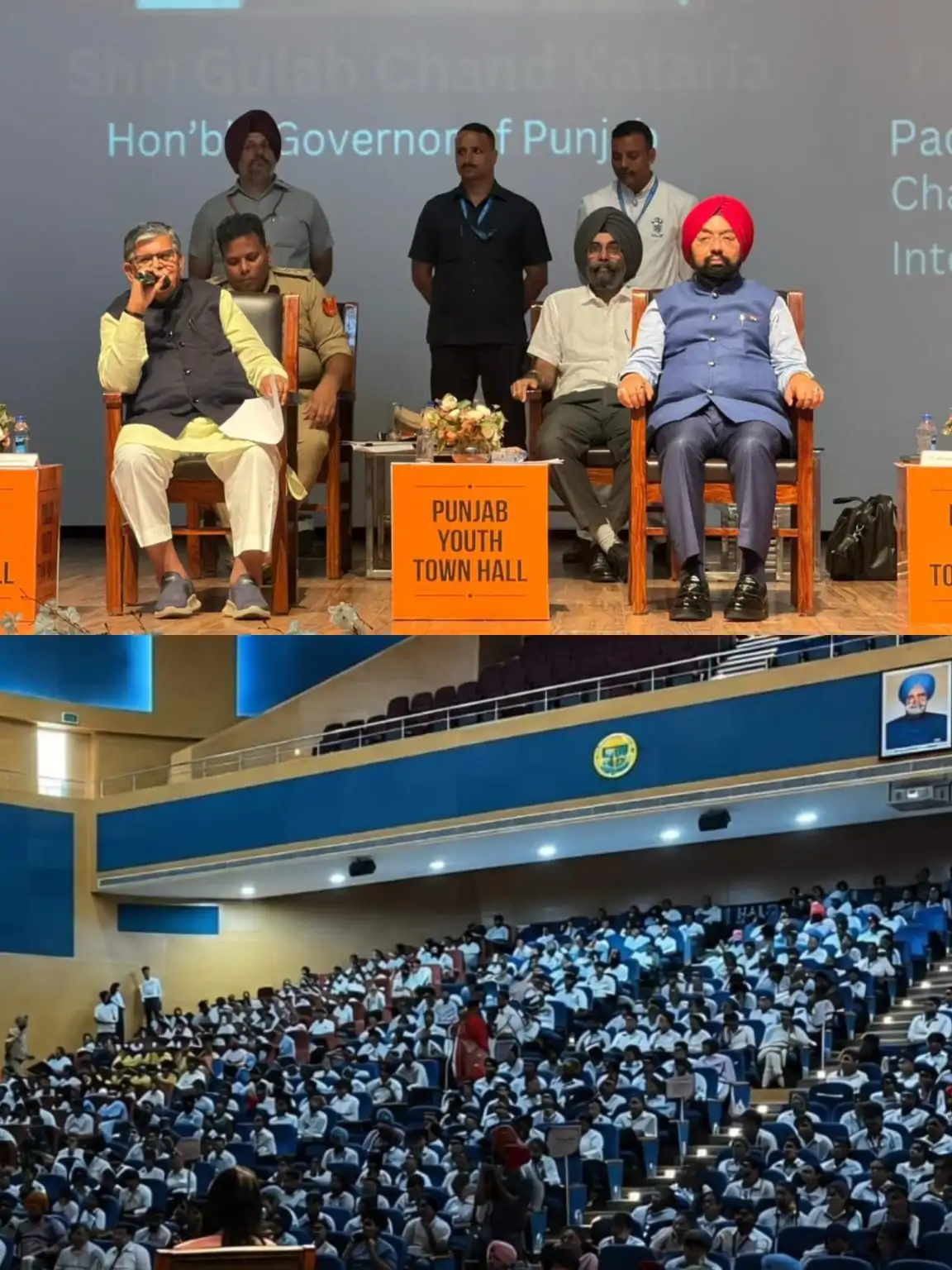 TECHNOLOGYGovernor Gulab Chand Kataria launches Shaheed Bhagat Singh Youth Facilitation Centre in LudhianaFlipFileZone · Read Fullopen_in_new
 TECHNOLOGYInstinct AI Assistant Secures $350M Funding, Hits $2.5B Valuation in Record TimeFlipFileZone · Read Fullopen_in_new
 TECHNOLOGYXiaomi Unveils Xring Chip with TSMC Partnership, Redefining Its Global Hardware StrategyFlipFileZone · Read Fullopen_in_new
 TECHNOLOGYApple’s AI‑Powered Camera AirPods Could Launch in 2026, Not 2027FlipFileZone · Read Fullopen_in_new
chatPost a comment
Comments
0