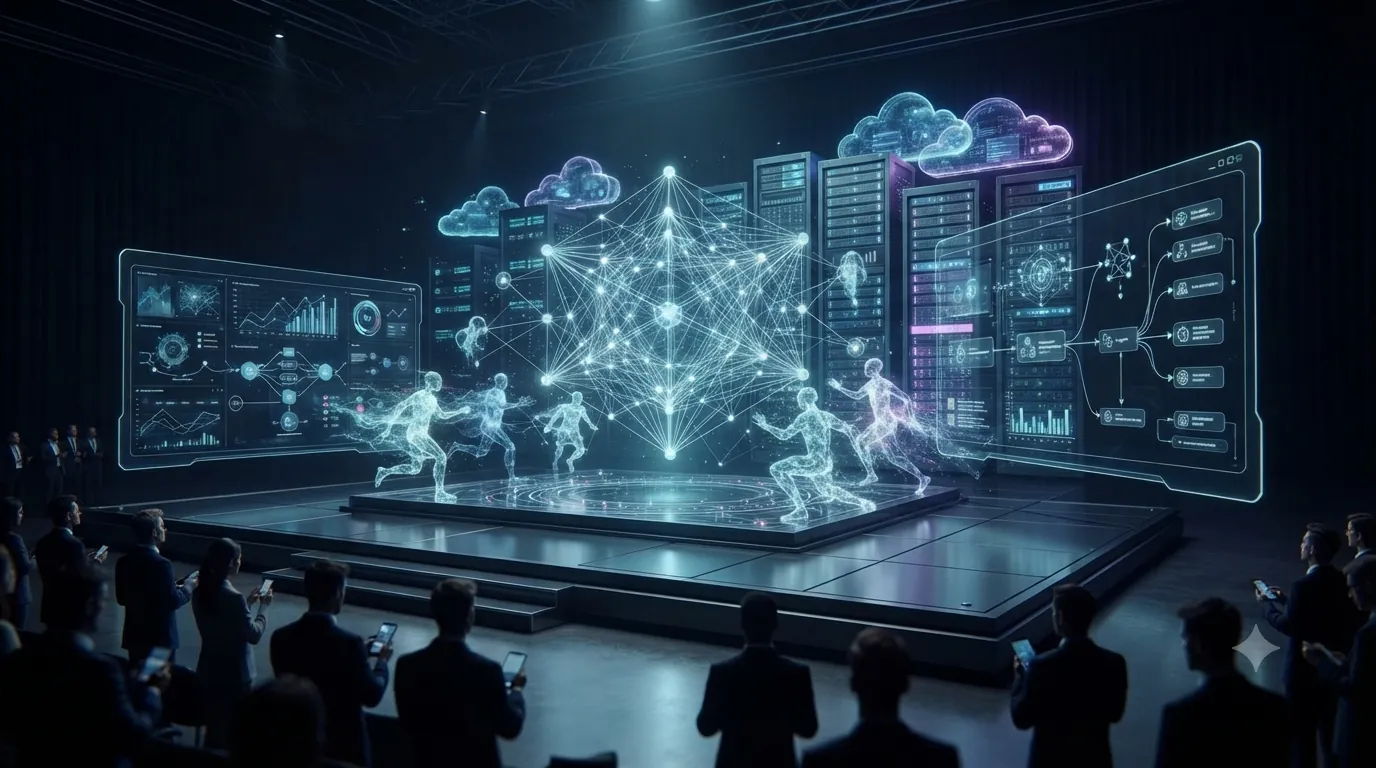
 BUSINESSTECHNOLOGYMicrosoft Ignite 2026: Satya Nadella Puts AI Agents, Copilot and Enterprise Cloud at the Centre of Microsoft's Next Technology RevolutionFlipFileZone · Read Fullopen_in_new
Unmasking Deception: A Comprehensive Guide to Deepfake Detection Methods
Deepfakes have become an increasingly pressing concern in the digital age, with the potential to disrupt everything from personal relationships to global politics. This article delves into the various methods used to detect and prevent deepfakes, including digital watermarking, machine learning algorithms, and behavioral analysis.
FlipFileZone · TECHNOLOGY
shareShare this post


Unmasking Deception: A Comprehensive Guide to Deepfake Detection Methods
Deepfake detection is a rapidly evolving field, with new techniques and technologies being developed to combat the growing threat of artificially created media. In this article, we will explore the different methods used to identify and mitigate deepfakes, including digital watermarking, machine learning algorithms, and behavioral analysis.
One of the primary methods used to detect deepfakes is digital watermarking. This involves embedding a hidden signature or pattern into a digital file, which can be used to verify its authenticity. Digital watermarks can be used to detect tampering or manipulation of the file, and can help to identify the source of the deepfake.
Machine learning algorithms are another key tool in the fight against deepfakes. These algorithms can be trained to recognize patterns and anomalies in digital media, allowing them to detect deepfakes with a high degree of accuracy. Some of the most common machine learning algorithms used for deepfake detection include convolutional neural networks and recurrent neural networks.
Some of the most common deepfake detection techniques include:
- Digital watermarking
- Machine learning algorithms
- Behavioral analysis
- Audio-visual inconsistencies
- Contextual inconsistencies
Despite the advances that have been made in deepfake detection, there are still several challenges and limitations to be addressed. These include:
- The constant evolution of deepfake technology
- The need for large datasets to train machine learning algorithms
- The potential for false positives and false negatives
- The need for ongoing monitoring and updating of detection systems
tagTags
shareShare this post
recommendYou may also like
BUSINESSTECHNOLOGYMicrosoft Ignite 2026: Satya Nadella Puts AI Agents, Copilot and Enterprise Cloud at the Centre of Microsoft's Next Technology RevolutionFlipFileZone · Read Fullopen_in_new BUSINESSTECHNOLOGYChina Uses American AI Models to Train Domestic Rivals as US Chip Restrictions Intensify the Global Artificial Intelligence RaceFlipFileZone · Read Fullopen_in_new
 BUSINESSTECHNOLOGYNvidia Leadership Turmoil Raises Concerns Over AI Industry Financing as Investors Rethink the Future of the AI BoomFlipFileZone · Read Fullopen_in_new
 TECHNOLOGYGovernor Gulab Chand Kataria launches Shaheed Bhagat Singh Youth Facilitation Centre in LudhianaFlipFileZone · Read Fullopen_in_new
 TECHNOLOGYInstinct AI Assistant Secures $350M Funding, Hits $2.5B Valuation in Record TimeFlipFileZone · Read Fullopen_in_new
 TECHNOLOGYXiaomi Unveils Xring Chip with TSMC Partnership, Redefining Its Global Hardware StrategyFlipFileZone · Read Fullopen_in_new
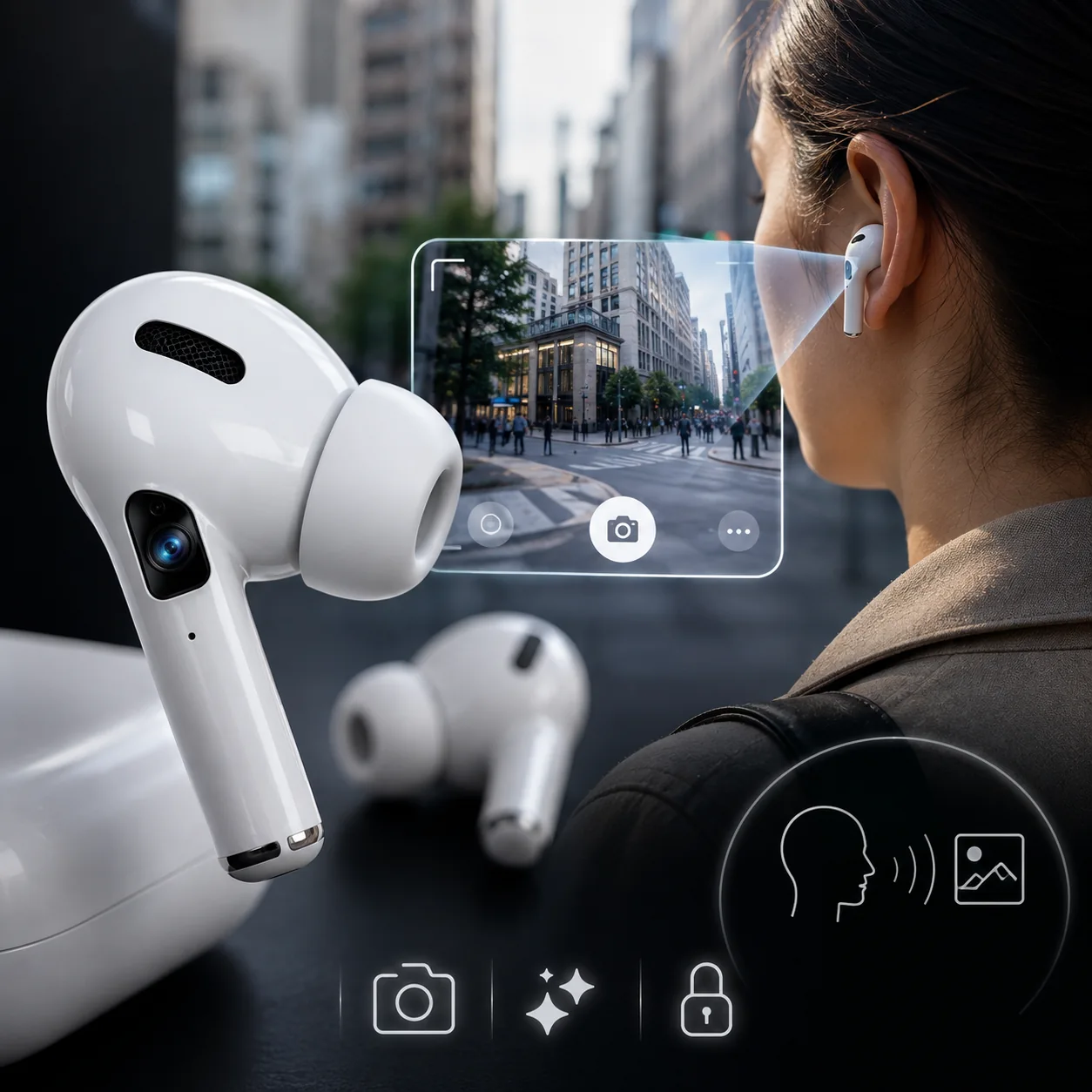 TECHNOLOGYApple’s AI‑Powered Camera AirPods Could Launch in 2026, Not 2027FlipFileZone · Read Fullopen_in_new
chatPost a comment
Comments
0