 BUSINESSTECHNOLOGYMicrosoft Ignite 2026: Satya Nadella Puts AI Agents, Copilot and Enterprise Cloud at the Centre of Microsoft's Next Technology RevolutionFlipFileZone · Read Fullopen_in_new
Why AI Systems Don't Learn and What to Do About It
A paper by Emmanuel Dupoux, Yann LeCun, and Jitendra Malik explores the limitations of AI systems in learning and proposes solutions based on cognitive science
FlipFileZone · TECHNOLOGY
shareShare this post






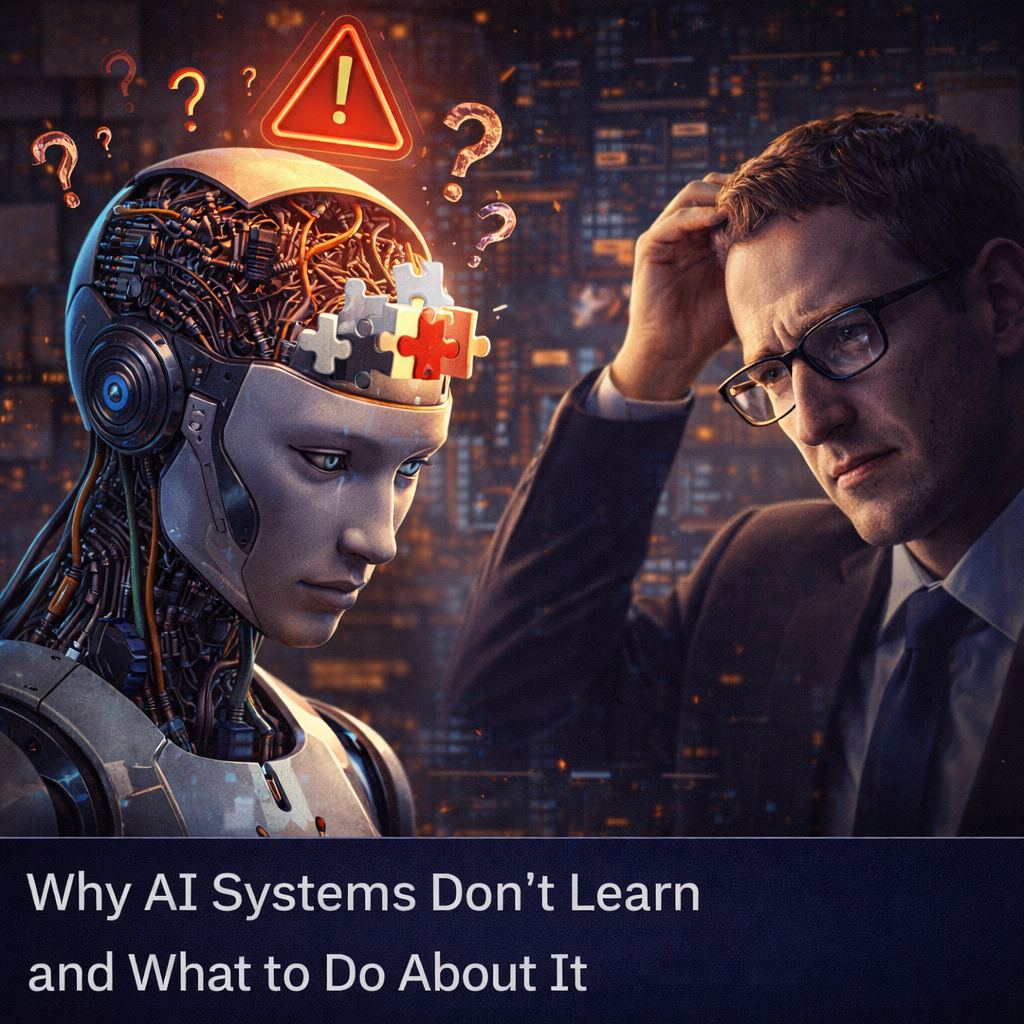
Why AI Systems Don't Learn and What to Do About It
Artificial intelligence (AI) has made tremendous progress in recent years, but it still falls short in one crucial aspect: autonomous learning. According to a paper by Emmanuel Dupoux, Yann LeCun, and Jitendra Malik, current AI systems lack the ability to learn and improve on their own, unlike humans. This limitation hinders the development of more advanced and flexible AI models.
The authors argue that the main reason for this limitation is the lack of understanding of human cognition and learning processes. They propose that insights from cognitive science can help address this issue. By studying how humans learn and process information, researchers can develop more effective AI systems that can learn autonomously.
Autonomous learning refers to the ability of a system to learn and improve without explicit human supervision. This is in contrast to traditional machine learning approaches, which rely on large amounts of labeled data and human intervention. Autonomous learning is essential for developing more advanced AI systems that can operate in complex and dynamic environments.
Cognitive science has made significant progress in understanding human learning and cognition. The authors identify several key lessons that can be applied to AI systems, including:
- The importance of active learning and exploration
- The role of prior knowledge and expectations in shaping learning
- The need for diverse and varied learning experiences
- The importance of feedback and self-assessment in learning
By incorporating these lessons into AI systems, researchers can develop more effective and autonomous learning models.
The paper has significant implications for the development of AI systems. By adopting a more cognitive science-inspired approach, researchers can create AI models that are more flexible, adaptable, and autonomous. This can lead to breakthroughs in areas such as natural language processing, computer vision, and robotics.
The authors also highlight the need for further research in this area, including the development of new algorithms and architectures that can support autonomous learning.
shareShare this post
recommendYou may also like
BUSINESSTECHNOLOGYMicrosoft Ignite 2026: Satya Nadella Puts AI Agents, Copilot and Enterprise Cloud at the Centre of Microsoft's Next Technology RevolutionFlipFileZone · Read Fullopen_in_new BUSINESSTECHNOLOGYChina Uses American AI Models to Train Domestic Rivals as US Chip Restrictions Intensify the Global Artificial Intelligence RaceFlipFileZone · Read Fullopen_in_new
 BUSINESSTECHNOLOGYNvidia Leadership Turmoil Raises Concerns Over AI Industry Financing as Investors Rethink the Future of the AI BoomFlipFileZone · Read Fullopen_in_new
 TECHNOLOGYGovernor Gulab Chand Kataria launches Shaheed Bhagat Singh Youth Facilitation Centre in LudhianaFlipFileZone · Read Fullopen_in_new
 TECHNOLOGYInstinct AI Assistant Secures $350M Funding, Hits $2.5B Valuation in Record TimeFlipFileZone · Read Fullopen_in_new
 TECHNOLOGYXiaomi Unveils Xring Chip with TSMC Partnership, Redefining Its Global Hardware StrategyFlipFileZone · Read Fullopen_in_new
 TECHNOLOGYApple’s AI‑Powered Camera AirPods Could Launch in 2026, Not 2027FlipFileZone · Read Fullopen_in_new
chatPost a comment
Comments
0